Appliances · Buying Guide
Best Mini Loaf Baking Tray Options for Perfectly Portioned Homemade Breads

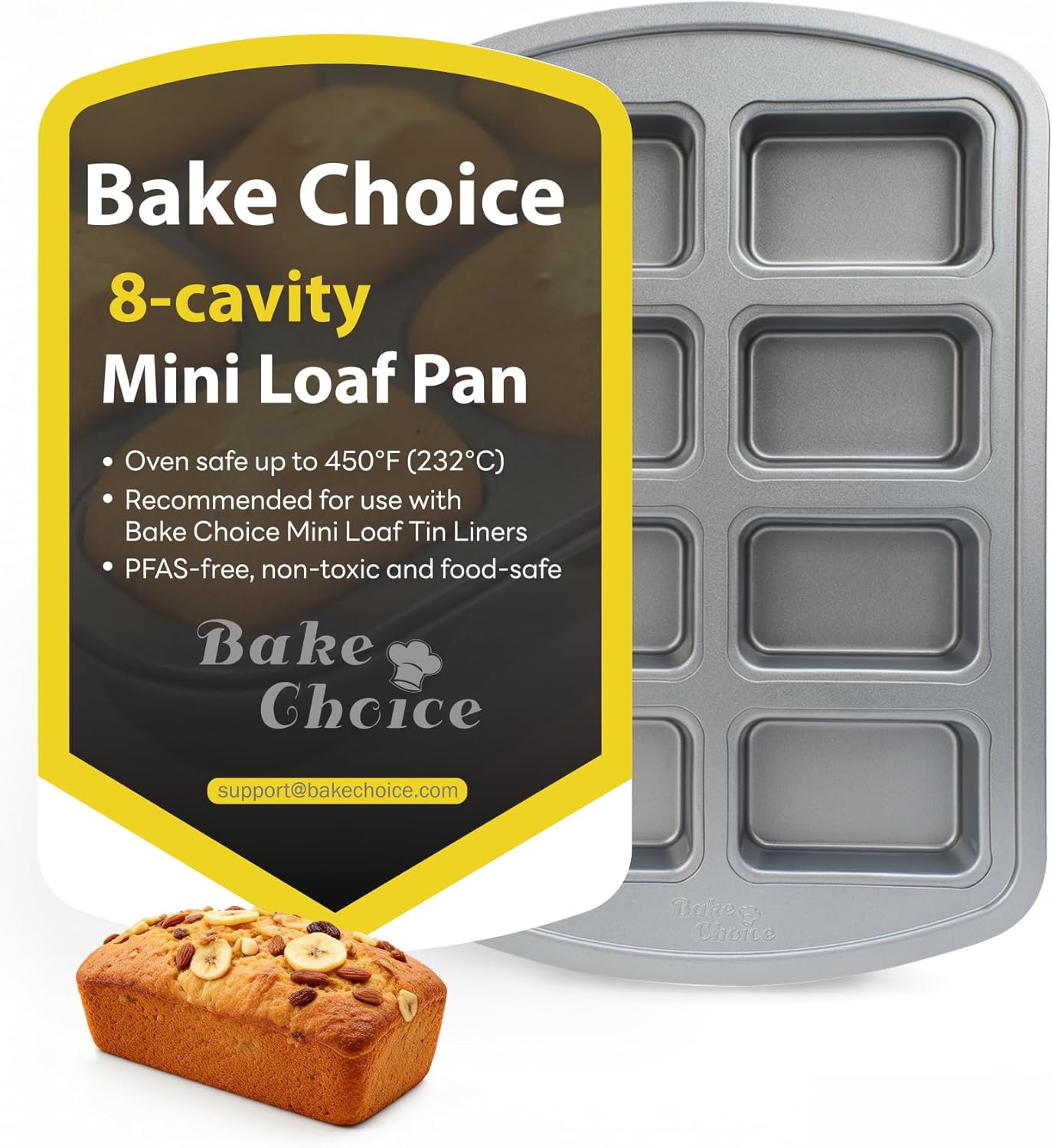
Baking individual portions or sharing homemade treats is remarkably simple when you use a dedicated mini loaf baking tray. These multi-cavity pans allow home bakers to prepare multiple small breads, mini cakes, brownies, or savory meatloaves simultaneously without dealing with complicated cutting steps afterward. Selecting a reliable tray helps ensure even heat distribution and consistent sizing across every single cavity in your batch.
Choosing the right model depends heavily on your material preference, whether you favor traditional carbon steel with reinforced non-stick coatings or flexible silicone supported by integrated metal frames. Each layout delivers distinct handling advantages, temperature limits, and cleanup routines for your everyday kitchen baking tasks. Reviewing specific dimensions, handle designs, and included accessories helps match a pan directly to your baking style and cabinet space constraints.
As an Amazon Associate, StacyLaughs earns from qualifying purchases.
Buying guide
Material Selection for Durability
Selecting the ideal material for your mini loaf baking tray influences heat distribution, browning quality, and the overall lifespan of the bakeware. Carbon steel options are widely recognized for their robust rigidity, excellent thermal conductivity, and ability to withstand high oven temperatures without warping. They provide a stable platform for baking multiple small breads, cakes, or savory meatloaves simultaneously during busy kitchen prep sessions.
Silicone trays introduce a different approach by combining flexible food-grade construction with embedded metal frames to prevent sagging during transport. Each material presents distinct advantages for everyday baking, allowing you to choose between rigid metal durability and flexible non-stick convenience based on your personal kitchen preference and manual cleaning habits.
Cavity Count and Size Considerations
Evaluating cavity count and individual compartment dimensions ensures your baked goods fit your desired portion requirements for family meals or gatherings. Most standard mini loaf trays feature an eight-cavity layout, striking an efficient baking balance between batch volume and overall pan manageability. Individual compartment sizes vary slightly by manufacturer, impacting how tall or wide your finished miniature breads, brownies, and cakes will appear.
Reviewing these spatial measurements helps guarantee that your finished treats meet your specific recipe expectations. Measuring your oven interior and designated kitchen cabinet space beforehand ensures that multi-cavity trays fit comfortably without blocking heat circulation or crowding your available storage areas when stored away.
Handle Design and Ergonomic Safety
Safe handling is a crucial factor when moving heavy, batter-filled pans in and out of hot kitchen ovens. Look for trays equipped with extended or extra-wide handles that accommodate thick fabric oven mitts securely without awkward finger placement. Features like rolled edges and thumb-friendly grips provide better leverage and reduce the risk of accidental slips during high-temperature transport.
A well-designed handle construction enhances your confidence when transferring loaded trays between countertops and upper or lower baking racks. Paying careful attention to these ergonomic details helps protect your hands from accidental burns and ensures steady, reliable control throughout your entire baking routine.
Non-Stick Coatings and Maintenance
Non-stick coatings simplify the food release process, allowing delicate mini loaves and cakes to slide out cleanly without leaving behind stubborn residue. Many modern pans feature chemical-free multi-layer coatings designed for easier baking and hassle-free cleanup after preparing sweet or savory recipes. Understanding the specific maintenance instructions provided by the manufacturer helps preserve the integrity of these non-stick surfaces over years of regular use.
While some trays are officially labeled dishwasher safe, gentle hand washing with warm, soapy water is frequently recommended by makers to extend the lifespan of the non-stick coating. Balancing daily convenience with proper care instructions ensures your bakeware continues to perform reliably bake after bake.
One-Piece Molding Versus Welded Construction
The manufacturing method used to create a mini loaf tray plays a significant role in its long-term rust resistance and structural durability. One-piece molding designs eliminate traditional welding points around the individual cavities and outer edges, creating a smooth, seamless surface. This construction style effectively prevents trapped moisture and residual batter debris from causing premature rust accumulation in hard-to-reach corners.
Opting for seamless molded construction generally results in a longer operational lifespan for your metal bakeware investments. Checking product details for one-piece framing ensures you select a tray built to withstand frequent washing and high-heat baking cycles without developing weak structural joints or edge degradation over time.
Included Accessories and Value Sets
Certain mini loaf baking tray options come packaged with helpful accessories like pre-cut parchment paper liners or multiple pan sets for expanded baking. Bundled parchment liners eliminate the tedious task of measuring and cutting baking paper manually, offering an immediate convenience boost for busy bakers. Multi-pack sets allow you to scale up your baking volume significantly when preparing treats for larger family gatherings or celebrations.
Assessing whether an accessory bundle fits your routine helps determine the overall value of the set. While pre-cut liners save considerable time, consider whether you have adequate cabinet storage space to keep extra paper sheets and multiple pans neatly organized in your kitchen.
Frequently asked questions
What is the typical capacity and cavity count for a standard mini loaf baking tray?
Most standard mini loaf baking trays feature an eight-cavity layout, which provides an efficient balance between batch volume and manageable pan dimensions. The individual compartments are specifically proportioned for baking small portions of breads, mini cakes, brownies, or savory meatloaves simultaneously. While cavity dimensions vary slightly depending on the specific manufacturer and model, an eight-cavity configuration generally fits standard kitchen ovens easily while allowing home bakers to prepare multiple individual servings without the hassle of cutting large baked items after removal from the heat.
Are mini loaf baking trays safe to use in the dishwasher?
Dishwasher safety depends heavily on the specific materials and manufacturer instructions provided for each individual tray. Many carbon steel and silicone models are explicitly labeled as dishwasher safe for convenient cleanup. However, numerous manufacturers recommend gentle hand washing with warm, soapy water to help preserve the longevity and performance of the non-stick coatings over extended periods of regular use. Checking the specific product care guidelines before running a tray through an automated dishwasher cycle ensures proper maintenance.
Do I need to grease a non-stick mini loaf tray before adding batter?
While most mini loaf baking trays feature reinforced non-stick surfaces designed for easy food release without excessive preparation, applying a light coating of oil or butter can provide extra insurance for delicate recipes. Some bakers prefer using pre-cut parchment paper liners, which are included with certain tray sets to prevent sticking entirely. Reviewing your specific recipe ingredients and pan coating type will help determine whether additional greasing is necessary for effortless removal of your baked goods.
How do I prevent my mini loaf tray from rusting over time?
Preventing rust on metal mini loaf trays primarily involves proper drying and storage practices after cleaning. Selecting models with one-piece molding designs helps eliminate welding points where moisture and batter residue typically accumulate. After washing your tray by hand or in the dishwasher, ensure it is completely dry before storing it in a cabinet. Storing bakeware in a dry environment prevents residual water droplets from causing premature edge corrosion or rust spots.
Can I use a mini loaf baking tray for savory dishes as well as sweet desserts?
Mini loaf baking trays are remarkably versatile kitchen tools suitable for a wide variety of both sweet and savory recipes. Beyond traditional banana bread, pumpkin bread, and pound cakes, you can use the individual cavities to bake small cornbreads, mini meatloaves, individual lasagna portions, egg bakes, and casserole cups. Their partitioned design makes them ideal for portion-controlled cooking, meal prepping, and creating diverse appetizer spreads for family dinners or casual gatherings without altering the pan.