Appliances · Buying Guide
Best Mini Meat Loaf Pans for Perfectly Portioned Homemade Meals
Baking individual portions of savory meatloaves, breads, and desserts requires reliable bakeware that fits standard kitchen routines. Choosing the right miniature mold helps achieve consistent browning without sticking, whether you prefer connected multi-cavity trays or independent individual tins. Selecting a layout that matches your typical baking volume streamlines preparation and serving.
Exploring available options reveals diverse material choices, including carbon steel, stainless steel, and heavy-gauge aluminized metals. Each construction style brings distinct heat conduction properties and maintenance requirements to your kitchen. Understanding these structural differences ensures you pick bakeware that performs reliably across various recipes and cooking appliances.
As an Amazon Associate, StacyLaughs earns from qualifying purchases.
Buying guide
Material Composition and Heat Distribution
Material choice significantly influences how bakeware conducts heat and browns your recipes. Carbon steel and aluminized steel offer rapid thermal transfer, promoting even crust development on breads and small meatloaves. Selecting a sturdy metal thickness prevents hot spots that can scorch delicate batters or unevenly cook dense ingredients.
Understanding these thermal traits helps you match bakeware to your specific culinary preferences. Heavy-gauge metals maintain their structural integrity better over years of frequent baking cycles. Evaluating the base material ensures consistent results whether you are preparing sweet quick breads or savory meat dishes.
Multi-Cavity Trays Versus Individual Pans
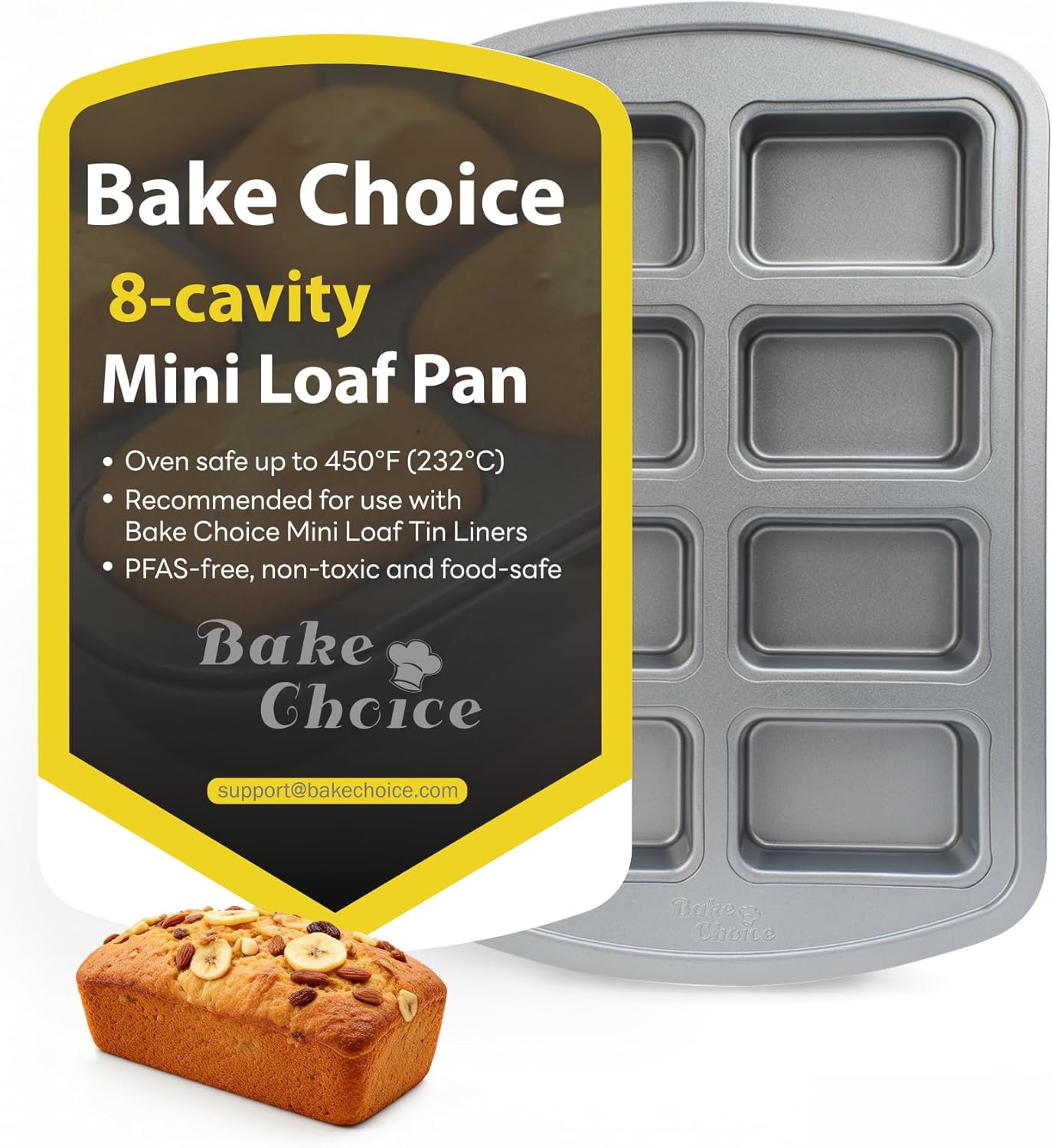
Choosing between a connected multi-cavity tray and a set of independent individual pans depends on your storage habits and oven space. Connected molds hold multiple portions in a single unit, making insertion and removal straightforward. However, they require a wider flat storage footprint inside kitchen cabinets or pantry shelves.
Individual pans offer greater flexibility when arranging items on crowded oven racks or smaller appliances like air fryers. Managing multiple loose tins requires more attention during loading and retrieval. Weighing these layout styles ensures your bakeware fits comfortably into your daily kitchen workflow.
Non-Stick Coatings and Surface Release
A reliable non-stick coating simplifies food release, allowing delicate miniature cakes and savory meatloaves to slide out cleanly. Premium coatings reduce the need for excessive oils or butters, supporting lower-fat baking routines. Inspecting the surface finish helps determine how easily baked goods will release after cooling.
Protecting these coated surfaces requires careful handling with non-metal utensils to prevent scratching or premature wear. While many modern options feature dishwasher-safe construction, gentle handwashing often extends the lifespan of the non-stick layer. Balancing convenience with proper maintenance preserves baking performance over time.
Edge Design and Structural Stability
Rolled edges and wire rod reinforcements provide essential structural stability, preventing metal pans from twisting under high temperatures. A sturdy rim also improves grip security, especially when wearing thick oven mitts. Checking for reinforced construction details helps avoid warped pans that wobble on flat oven surfaces.
Rigid frames maintain uniform cavity dimensions, ensuring that every individual portion bakes at an identical rate. Investing in dent-resistant materials protects your bakeware investment against accidental drops or crowded storage bumps. Strong rims ultimately contribute to safer handling throughout every baking session.
Appliance Compatibility and Versatility
Kitchen appliance compatibility determines whether your bakeware functions across standard ovens, toaster ovens, air fryers, or pressure cookers. Compact individual stainless steel tins often fit diverse cooking chambers that cannot accommodate large multi-cavity trays. Verifying overall dimensions before purchase prevents frustrating fit issues in smaller appliances.
Versatile bakeware handles diverse recipes ranging from banana bread and brownies to individual meatloaves and frozen desserts. Choosing multi-use pans expands your cooking repertoire without requiring specialized molds for every single dish. Matching pan dimensions to your equipment ensures seamless culinary execution.
Maintenance and Long-Term Care
Proper maintenance routines protect bakeware surfaces and ensure consistent performance across years of regular kitchen use. Following manufacturer guidelines regarding dishwasher safety or manual handwashing prevents premature coating degradation. Taking time to clean pans correctly preserves their non-stick properties and structural integrity.
Storing metal pans in dry environments protects against moisture accumulation and potential surface blemishes. Stacking stackable tins carefully prevents scratching between individual pieces during storage. Prioritizing thoughtful upkeep safeguards your bakeware investment and keeps your kitchen ready for baking.
Frequently asked questions
Can I use metal utensils with non-stick mini loaf pans?
Using metal utensils with non-stick coated bakeware is generally discouraged because sharp edges can scratch and compromise the protective surface. Scratches weaken the non-stick release properties and can lead to sticking over time. Instead, opt for silicone, wood, or heat-resistant plastic tools when transferring your baked goods out of the pans. Protecting the coating ensures effortless food release and extends the functional lifespan of your miniature loaf molds through many baking cycles.
Are multi-cavity trays harder to store than individual pans?
Connected multi-cavity trays feature a wide, rigid footprint that requires dedicated flat storage space in cabinets or large pantries. They cannot be easily nested or squeezed into narrow slots the way individual pans can. Conversely, sets of standalone individual pans often offer stackable designs, allowing you to nest them vertically to conserve precious kitchen space. Evaluating your available storage area helps you decide whether a unified multi-cup tray or individual tins suit your kitchen setup.
Should I grease non-stick mini loaf pans before baking?
Even though these pans feature advanced non-stick coatings designed for easy food release, applying a light layer of butter, oil, or baking spray can provide extra insurance for sticky recipes. Savory dishes like meatloaves or sweet, sugar-rich batters benefit from a minimal application to guarantee clean removal. Following specific recipe instructions helps determine whether added lubrication is necessary, especially when baking delicate miniature cakes or dense breads that tend to cling.
Can mini loaf pans be used in air fryers and pressure cookers?
Compatibility with air fryers and pressure cookers depends entirely on the physical dimensions of the pans and the internal capacity of the appliance. Smaller individual metal tins frequently fit inside toaster ovens, air fryers, or multi-cookers, expanding your cooking flexibility beyond standard ovens. However, large multi-cavity trays are usually too wide for compact countertop appliances. Always measure both your cooking chamber and the bakeware before attempting alternative cooking methods.
How should I clean my mini loaf pans after baking meatloaf?
Cleaning pans after baking savory meatloaf involves washing away grease and baked-on residues promptly. While many products feature dishwasher-safe designations, reviewing manufacturer guidelines is essential; some carbon steel or specialized non-stick models recommend manual handwashing with warm soapy water to protect the coating. Avoid using abrasive scouring pads that can scratch metallic surfaces. Proper cleaning maintains the hygiene, appearance, and non-stick performance of your bakeware for future culinary projects.