Appliances · Buying Guide
Best Neapolitan Style Pizza Dough Mixes and Bundles for Home Bakers
Making authentic neapolitan style pizza dough at home requires balancing the right flour, yeast, and hydration levels to achieve a thin base and pillowy crust. Whether you choose pre-measured dry mixes or versatile baking bundles, having the correct ingredients simplifies the preparation process significantly.
Different products offer distinct approaches, ranging from quick-rise convenience mixes that yield ready-to-stretch dough balls in just three hours to complete pantry bundles featuring traditional zero-zero flour and semolina. Exploring these options helps you match your baking schedule and kitchen style.
As an Amazon Associate, StacyLaughs earns from qualifying purchases.
Buying guide
Understanding Pizza Dough Ingredients and Flours
The foundation of any great neapolitan style pizza dough lies in the flour selection. Traditional zero-zero flour features a fine grind and specific protein levels that allow the dough to stretch thinly while maintaining structural integrity in high-heat ovens. Unlike all-purpose flour, specialized pizza flours absorb water efficiently and support the development of gluten networks necessary for a light, airy structure.
In addition to flour, dry mixes often incorporate precise proportions of yeast and salt to streamline preparation. For scratch bakers, understanding how these components interact during fermentation is essential. Combining quality flour with the correct hydration level ensures your dough rises properly and develops rich flavors during proving.
Evaluating Proving Times and Preparation Speed
Time management is a crucial factor when planning a homemade pizza night for family or guests. Some packaged dough mixes feature rapid three-hour proving schedules, allowing you to transition swiftly from box to bake with minimal advance notice. This speed appeals directly to busy schedules and impromptu gatherings where long fermentation periods are simply impractical.
Conversely, traditional scratch dough recipes often require extended resting and fermentation periods ranging from twelve to seventy-two hours. While these longer schedules demand careful upfront planning, they allow deeper complex flavors and airy textures to develop within the crumb. Your choice ultimately depends on whether you prioritize spontaneous convenience or traditional long-rise fermentation methods.
Selecting Pack Sizes and Batch Quantities
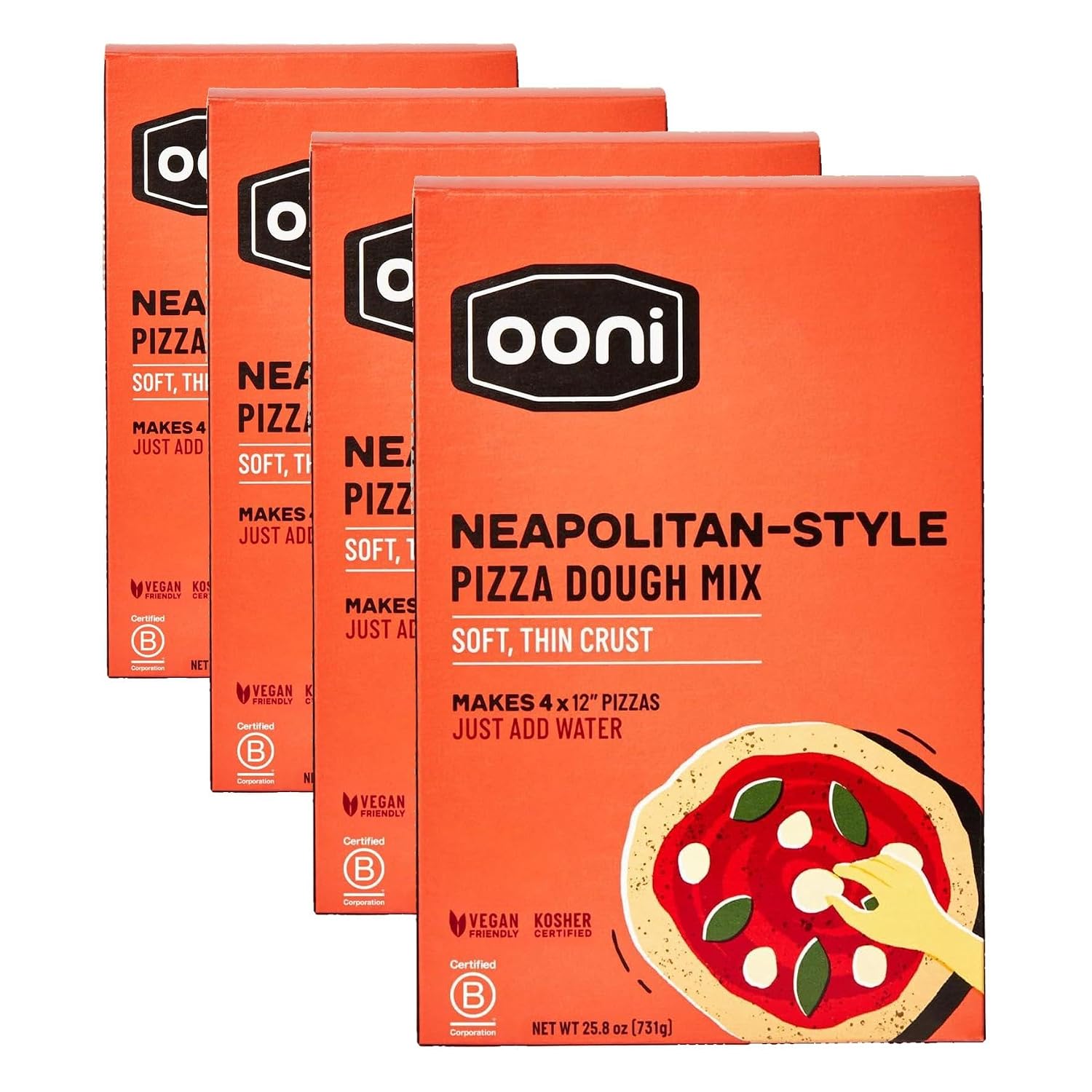
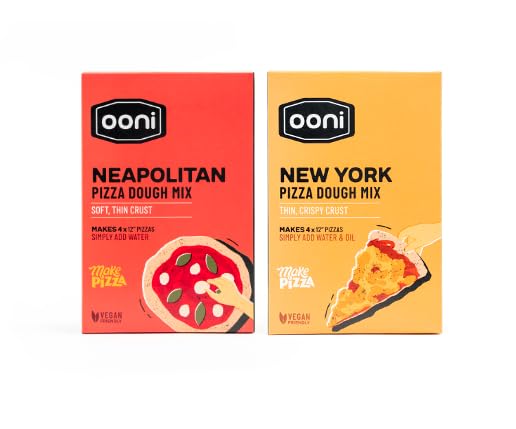
Purchasing options for neapolitan style pizza dough range from single-use dual packs to bulk multi-box supplies and comprehensive flour bundles. Assessing how frequently you bake helps determine the ideal purchase quantity for your household. If you host pizza nights regularly throughout the month, stocking a multi-pack ensures you have consistent ingredients ready without frequent store visits.
On the other hand, smaller quantities or varied style bundles suit households that like to experiment or bake less frequently. Buying excessive amounts of pre-packaged dry mix can lead to unnecessary pantry clutter if storage space is limited. Matching your purchasing volume to your actual consumption habits prevents ingredient aging and keeps your kitchen counters organized.
Comparing Pre-Made Mixes and Scratch Ingredients
Choosing between a convenience dry mix and raw scratch ingredients depends heavily on your culinary goals and available time. Pre-blended mixes eliminate guesswork by combining expertly measured flour, yeast, and salt, requiring only the addition of water. This straightforward approach minimizes kitchen preparation friction and delivers reliable, uniform results for home cooks.
Scratch baking with separate bags of zero-zero flour and semolina offers ultimate control over hydration levels, fermentation times, and final crust thickness. While this traditional method requires more active effort and precise measuring, it rewards dedicated bakers with deep recipe customization. Consider your personal comfort level with baking techniques when deciding between packaged convenience and raw ingredients.
Managing Pantry Storage and Expiration Factors
Proper storage of pizza dough mixes and baking flours is essential for maintaining ingredient freshness and yeast viability over time. Dry mixes should be kept in cool, dry pantry locations away from direct sunlight or moisture sources that could prematurely activate the dry yeast. Maintaining stable storage conditions preserves the rising capability of the mix for future use.
Bulk bags of flour and semolina also benefit greatly from airtight storage containers to protect against ambient humidity and pantry pests. When purchasing multi-packs or large flour bags, evaluate your available cabinet space before committing to large quantities. Organizing your baking supplies properly ensures every package remains fresh and ready for your next weekend pizza session.
Utilizing Accessories and Finishing Components
Enhancing your homemade pizza goes beyond the dough itself by incorporating specialized finishing components like semolina flour and savory seasonings. Semolina acts as a practical dusting agent that prevents sticky dough from adhering to wooden peels and hot baking stones. Its coarse grind also contributes a pleasant texture and subtle golden color to the baked crust exterior.
Additionally, finishing spice blends containing garlic, herbs, and seasonings provide an effortless way to elevate the flavor profile of your finished pie. Combining quality dough bases with appropriate dusting flours and savory toppings creates an authentic pizzeria experience right in your home kitchen. Selecting product bundles that include these helpful extras simplifies shopping for family dinners.
Frequently asked questions
How long does it take to prepare packaged neapolitan style pizza dough?
Packaged neapolitan style pizza dough mixes typically require just three hours from box to bake, making them exceptionally quick for impromptu weekend gatherings and last-minute pizza parties. Users simply add water to the dry mix, follow a straightforward six-step guidance process to form the dough, and allow it a brief proving period. This streamlined workflow eliminates the long fermentation hours associated with traditional scratch recipes, allowing home cooks to produce soft, thin bases with pillowy edges rapidly without complex measuring or professional baking experience.
What is the benefit of using zero-zero flour for pizza crusts?
Zero-zero flour features an exceptionally fine grind and specific protein content that makes it the gold standard for authentic neapolitan style pizza dough. This specialized flour absorbs water efficiently and builds strong gluten networks, allowing the dough to stretch paper-thin without tearing. It performs exceptionally well in both conventional kitchen ovens and high-heat pizza ovens, ensuring your crust bakes up with a tender interior and a crisp, pillowy edge. Using zero-zero flour elevates the overall texture and authenticity of homemade pizzas significantly.
Why is semolina flour used in pizza baking bundles?
Semolina flour is a coarse-ground, high-gluten product that serves a vital practical purpose during pizza preparation and baking. Dusting your work surface and pizza peel with semolina prevents the soft dough from sticking as you transfer it into a hot oven. Unlike standard all-purpose flour, semolina does not burn as quickly and adds an enjoyable crunch, a hint of golden color, and a distinct rustic chew to the exterior of the baked crust, enhancing both handling and final presentation.
Should I choose a pre-made mix or scratch flour for pizza night?
Choosing between a pre-made dry mix and raw scratch flour depends on your available time and baking preferences. Pre-blended mixes offer unmatched convenience by combining measured flour and yeast, letting you make pizza dough in just three hours with only added water. In contrast, scratch flour bundles give you absolute control over hydration levels, fermentation times, and flavor development. If you want speed and simplicity, packaged mixes are ideal; if you enjoy culinary experimentation and traditional scratch techniques, separate flour bags provide maximum creative freedom.
How should I store leftover pizza dough mixes and flours?
Proper storage is essential to maintain the freshness and rising power of pizza dough mixes and specialty baking flours. Unopened dry mixes and flour bags should be kept in cool, dark pantry locations away from direct heat sources and moisture that can compromise yeast activity or attract pests. Once opened, transferring flours and dry ingredients into airtight containers helps protect them from humidity and maintains their quality over time. Always check packaging instructions and store items securely to ensure your next pizza night succeeds.