Appliances · Buying Guide
Best no baking paper for cookies: Top pre-cut and roll options compared
Baking batches of homemade cookies requires reliable lining materials to prevent sticking, burning, and messy cleanup sessions. Finding the right alternative to traditional greasing methods ensures your sweet treats slide effortlessly off the pan while maintaining their delicate shapes. Whether you prefer pre-cut sheets that save time or continuous rolls that adapt to custom tray dimensions, selecting a quality product transforms your kitchen routine.
This review examines five popular baking paper options designed to handle high oven temperatures without tearing or scorching. By analyzing sheet counts, dimensions, and material compositions, you can choose the ideal liner for your specific baking style. Explore these practical choices to streamline your next cookie-baking session and achieve consistently golden results.
As an Amazon Associate, StacyLaughs earns from qualifying purchases.
Buying guide
Evaluating Sheet Counts and Package Sizes
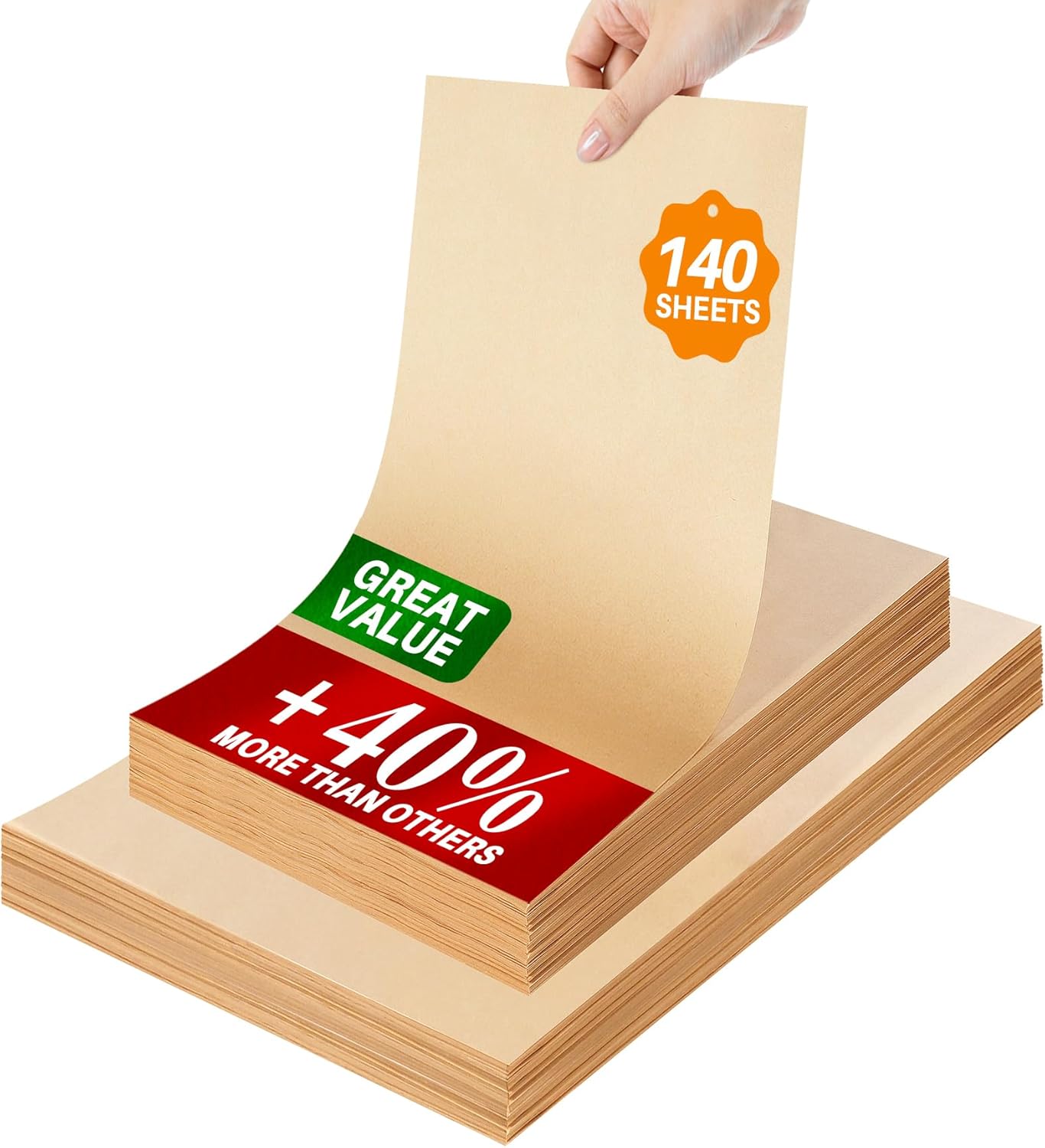
Choosing the right quantity depends entirely on how frequently you bake cookies and prepare roasted meals at home. Smaller packs containing around 120 to 140 sheets work well for casual weekend bakers who only use their oven occasionally. On the other hand, bulk options featuring 220 to 360 sheets reduce the need for frequent reordering during peak holiday baking seasons.
Consider your available pantry storage when selecting larger boxes, as heavy-duty bulk packs take up more shelf footprint. Ensuring your package fits comfortably in your kitchen keeps your baking supplies organized and ready for action.
Understanding Dimensions and Pan Fit
Matching your baking paper dimensions to your actual baking pans prevents messy spills and frustrating folding issues. Standard half-sheet pans typically accommodate 12 by 16 inch pre-cut sheets perfectly without requiring any adjustments. Smaller quarter-sheet pans or air fryer baskets require correspondingly smaller 9 by 13 inch liners to sit flat.
Rolled parchment offers ultimate flexibility for custom tray sizes, letting you tear exact lengths as needed. Assessing your primary cookware ensures you select a paper format that drops into place without awkward overhang.
Material Composition and Bleaching Methods
Many modern baking sheets utilize unbleached natural wood pulp or fibers that avoid harsh chlorine processing. These natural brown options provide a safe, eco-friendly surface for contact with food items like cookies, bread, and pastries. Selecting chlorine-free and BPA-free materials ensures your kitchen routine stays aligned with wholesome preparation standards.
Silicone coatings applied to natural paper create superior non-stick properties without relying on synthetic chemical treatments. Reviewing material specifications helps you choose clean, dependable liners that support healthy cooking habits.
Temperature Limits and Heat Resistance
Baking papers feature specific maximum temperature ratings that dictate their safe operating window inside hot kitchen ovens. Most quality silicone-coated sheets safely withstand temperatures up to 450 degrees Fahrenheit, accommodating standard cookie and pastry recipes. Exceeding these thermal limits can cause paper scorching or degradation during long roasting cycles.
Checking the manufacturer temperature threshold ensures your liner remains structurally sound throughout your baking process. Reliable heat resistance prevents unexpected tearing and keeps your pans clean under high thermal loads.
Surface Coatings and Non-Stick Performance
The effectiveness of a baking liner relies heavily on its surface treatment and greaseproof barrier capabilities. Double-sided silicone coatings allow delicate baked cookies and sticky dough to slide effortlessly off the pan without added oil. This reliable non-stick action eliminates the need for messy cooking sprays and simplifies post-baking cleanup.
Waterproof and oil-proof characteristics prevent butter and fats from seeping through to your metal trays. High-grade surface treatments ensure your baked goods release cleanly every single time you bake.
Storage Practicalities and Dispensing Ease
Convenient packaging features play a major role in how easily you access and store your baking paper supplies. Pre-cut sheets housed in specialized flat boxes eliminate the annoyance of unrolling stubborn paper that curls back up. This streamlined design saves precious time when preparing multiple baking trays in rapid succession.
Proper box storage protects individual sheets from dust, creasing, and accidental tears in busy kitchen environments. Evaluating dispenser design helps you maintain an orderly, efficient baking workspace.
Frequently asked questions
What temperature can baking parchment paper safely withstand in the oven?
Most quality parchment baking sheets safely handle temperatures up to 450 degrees Fahrenheit without burning or degrading. Exceeding this thermal threshold can cause the paper to scorch or become brittle during extended baking sessions. Always verify the specific manufacturer guidelines listed on your product packaging before using high-heat settings.
Do I need to apply oil or cooking spray when using non-stick parchment paper?
High-grade silicone-coated parchment paper features a built-in non-stick and greaseproof surface that allows food to slide off naturally. You generally do not need to apply extra oil, butter, or cooking spray before placing cookie dough on the sheet. This natural release property helps keep your baked goods light and simplifies your cleanup routine.
What is the difference between pre-cut sheets and continuous parchment rolls?
Pre-cut sheets come trimmed to standardized dimensions like 12 by 16 inches or 9 by 13 inches, fitting common pans instantly without curling. Continuous rolls allow you to measure and tear custom lengths for unusual tray sizes or specialty baking tasks. Pre-cut sheets save time, while rolls offer greater versatility across different pan dimensions.
Are unbleached parchment papers safer for food contact than bleached white paper?
Unbleached parchment papers are manufactured using natural wood pulp or fibers that skip harsh chlorine chemical bleaching processes. Many home bakers prefer unbleached natural brown sheets because they are typically chlorine-free, BPA-free, and free from artificial whitening agents. Both bleached and unbleached options perform similarly when coated with food-safe silicone.
How should I store my parchment paper sheets to prevent curling or damage?
Parchment sheets should be stored flat inside their original dispensing box or specialized packaging in a dry pantry cabinet. Keeping the box horizontal prevents the individual sheets from bending, folding, or developing creased edges over time. Proper storage ensures every sheet remains flat and ready to use whenever you bake.