Appliances · Buying Guide
Best no rise pizza dough options for quick homemade pizza nights

Making homemade pizza nights successful often starts with choosing the right dry ingredients to streamline your kitchen preparation. While traditional scratch baking demands extensive resting periods and complex kneading techniques, convenient pre-made baking mixes offer a straightforward alternative route for busy cooks seeking delicious crusts without the lengthy delays. Selecting the right foundation allows you to focus on toppings, sauces, and baking methods rather than troubleshooting yeast activity or measuring complex flour ratios from scratch in your home kitchen.
Whether you prefer classic regional styles, organic grains, or alternative dietary requirements like grain-free or vegan options, exploring different product choices helps align your cooking goals with your pantry supplies. Evaluating packaging quantities, specific ingredient lists, and straightforward preparation steps ensures you select a suitable mix for your next family gathering or a fast weeknight dinner.
As an Amazon Associate, StacyLaughs earns from qualifying purchases.
Buying guide
Ingredient Quality and Grain Sourcing
Evaluating the origin and purity of grains used in pizza dough mixes ensures you avoid unwanted additives, artificial colors, and synthetic fillers during your weekly baking routines. Many manufacturers highlight American-grown ingredients or certified organic sourcing to provide a cleaner nutritional profile for families. Examining whether a mix relies on straightforward, unadorned components helps maintain traditional flavors without hidden chemicals or preservatives affecting your homemade dinners.
Paying attention to how grains are milled also impacts the final structural integrity and flavor absorption of your crust. Finely milled options generally yield smoother textures, while whole grain additions introduce heartier profiles and distinct rustic characteristics. Balancing these agricultural choices against your personal preference for clean eating guarantees a satisfying culinary outcome every time you fire up your home oven.
Dietary Restrictions and Alternative Flours
Navigating food allergies and personal dietary choices requires careful scrutiny of flour bases, particularly when avoiding gluten, grains, dairy, or soy products. Alternative formulations often substitute traditional wheat with almond flour, coconut flour, or ground flax to accommodate paleo and plant-based lifestyles. These ingredient substitutions drastically alter the carbohydrate load and protein content of your final meal, making label reading essential for health-conscious shoppers.
While alternative flour mixes open up new possibilities for restricted diets, they frequently demand specific wet ingredients like apple cider vinegar or alternative oils to bind properly. Understanding these unique binding requirements prevents kitchen frustration and ensures the dough holds together during stretching and baking. Matching your dietary goals with the correct specialty mix guarantees an enjoyable meal for everyone at your table.
Preparation Time and Proving Windows
The amount of time required to transform dry powder into a ready-to-bake pizza base varies significantly among different commercial dough mixes. Some formulations require a dedicated multi-hour proving window to allow yeast to activate, developing complex flavors and airy pocket structures within the dough ball. Planning ahead for these resting periods is vital if you want to achieve authentic regional crust characteristics without rushing the natural fermentation process.
Conversely, alternative quick-mix options minimize waiting periods by utilizing rapid-acting ingredients or chemical leaveners that bypass long resting schedules entirely. Evaluating your schedule against these timing requirements helps prevent last-minute dinner stress when hungry household members are waiting. Choosing between a leisurely three-hour proof and an expedited mixing process depends entirely on your daily routine and meal planning flexibility.
Crust Style and Finished Texture
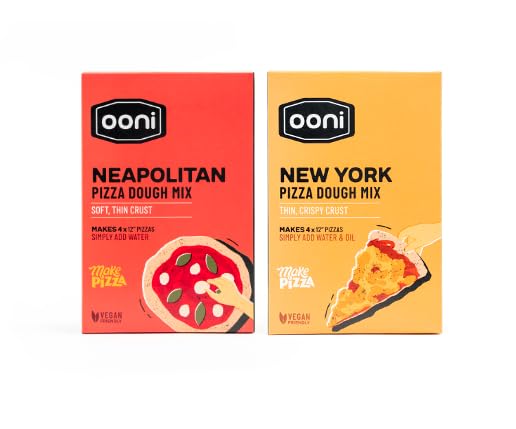
Different regional traditions dictate whether a pizza crust emerges thin and crispy, thick and pillowy, or deeply folded like a traditional Neapolitan pie. Dough mixes formulated specifically for New York or Neapolitan styles focus on achieving characteristic outer edges that puff up nicely under high heat. Reviewing the intended profile ensures your homemade creations match your specific cravings for crunchy borders or soft centers.
Texture is heavily influenced by the blend of flours, yeasts, and binding agents included within the dry package before any liquids are introduced. Whole wheat or alternative grain blends naturally yield denser outcomes compared to refined white flour options designed for maximum elasticity. Aligning your textural preferences with the manufacturer's description prevents disappointment when slicing into your freshly baked homemade masterpiece.
Yield and Packaging Quantities
Assessing the total yield of a baking mix ensures you prepare enough food to satisfy your family or dinner guests without running short on portions. Packages frequently indicate how many individual crusts or ounces of dough balls a single box or multi-pack will produce. Calculating the number of available servings helps you determine whether a single purchase suffices for a casual movie night or requires multiple boxes.
Packaging formats also dictate storage convenience and portion control, especially when dealing with multi-pack bundles versus single-bag options. If you frequently bake for large groups, securing bulk bundles reduces the frequency of restocking trips to the pantry. Conversely, smaller packaging counts suit occasional bakers who prefer opening fresh ingredients only when a specific craving arises.
Cooking Method and Equipment Compatibility
The hardware you own—whether a dedicated outdoor pizza cooker, a traditional home oven, a heavy cast-iron skillet, or a specialized stone—influences how well a particular dough mix performs. Some fine-milled flours and specific crust thicknesses are engineered to handle extreme heat environments efficiently, while others adapt gracefully to standard kitchen baking pans. Checking equipment recommendations prevents burning or uneven cooking during the final baking stage.
Versatility in the kitchen is another factor, as certain dough formulations extend beyond basic round pizzas into calzones, strombolis, flatbreads, and breadsticks. Choosing a mix that supports multiple baking applications expands your culinary options without requiring entirely different pantry staples for every recipe. Matching your dough to your available cookware ensures optimal crust browning and structural stability every time.
Frequently asked questions
What ingredients do I typically need to add to these pizza dough mixes?
Most commercial pizza dough mixes are designed for maximum kitchen convenience and typically require you to supply basic liquid components rather than complex ingredients. For many traditional wheat-based options, you simply need to measure and add clean water, while other varieties might also call for small amounts of cooking oil or olive oil. Specialized alternative mixes, such as grain-free or plant-based formulas, may occasionally request specific items like apple cider vinegar to aid binding. Always check the specific package instructions before starting your preparation.
How long does it take for these dough mixes to be ready for baking?
Preparation timelines vary considerably depending on the specific formulation and style of the pizza mix you select. Authentic Neapolitan and New York style mixes often require a designated proving window lasting roughly three hours to allow the yeast to activate and build structure. In contrast, alternative flour blends or quick-mix options may bypass lengthy resting periods, allowing you to move from mixing to baking much faster. Reviewing the package details ensures you allocate the correct amount of time before serving dinner.
Can I use these pizza dough mixes to make items other than round pizzas?
Many versatile pizza dough mixes are formulated to support a wide variety of baked goods beyond traditional round pies. Depending on the specific product evidence, certain organic and standard mixes adapt exceptionally well for crafting calzones, strombolis, savory flatbreads, breadsticks, and pull-apart dinner rolls. This multi-use flexibility allows home cooks to get creative with their pantry staples, making it easy to repurpose the exact same dough batch for different family meals and casual snacking occasions throughout the week.
Are there gluten-free or grain-free pizza dough mix options available?
Yes, the market includes specialty baking mixes designed specifically for individuals managing gluten sensitivities or following alternative diets like paleo. Products featuring almond flour, coconut flour, and ground flax provide nutrient-dense, plant-based alternatives to traditional wheat flours. These formulations are typically produced free of grain, gluten, dairy, and soy while offering a lower glycemic impact. Checking individual product specifications ensures you select a mix that aligns perfectly with your dietary requirements and nutritional preferences.
What cooking equipment works best with these pre-made pizza dough mixes?
These pizza dough mixes are generally compatible with a wide range of standard kitchen cooking equipment and specialized baking tools. Many formulations perform exceptionally well in traditional home ovens, especially when paired with a designated pizza stone, a metal pizza pan, or a pre-heated cast-iron skillet for a deep-dish style crust. Additionally, some mixes are well-suited for personal pizza cookers. Reviewing the product features helps determine which cooking surface will yield the crispiest crust and best results.