Appliances · Buying Guide
Best Gear and Mixes for Non Rising Pizza Dough Preparation
Crafting homemade pizza starts with choosing the right ingredients and tools to handle your dough preparation process effectively. Whether you prefer quick mixes that skip long fermentation times or specialized containers to keep individual dough portions hydrated, having reliable equipment changes your routine. Selecting appropriate proofing boxes or dry baking mixes helps streamline kitchen tasks without unnecessary complications.
Different recipes and storage solutions cater to varying styles, from traditional styles requiring short rests to alternative flour options. Understanding the physical attributes of each item ensures you pick the best match for your kitchen space and cooking schedule. Explore these curated options to find practical solutions for your next pizza night and elevate your baking results.
As an Amazon Associate, StacyLaughs earns from qualifying purchases.
Buying guide
Evaluating Capacity and Storage Dimensions
When selecting equipment for pizza dough preparation, examining the physical capacity and dimensions is essential for kitchen organization. Storage vessels and proofing boxes vary widely, from compact individual containers holding single portions to large multi-liter trays capable of managing high-volume batches. Matching the container volume to your typical baking batch ensures you avoid overcrowding or wasted storage space.
Consider how easily the containers fit inside your refrigerator or on countertop surfaces during the resting phase. Stackable designs help maximize vertical space in crowded refrigerators, especially during cold fermentation processes that require sustained temperature control. Reviewing exact length, width, and height measurements prevents storage friction and keeps your kitchen workflow running smoothly.
Understanding Material Safety and Maintenance
The materials used in dough boxes and mixing tools directly impact food safety, durability, and daily maintenance routines. Food-grade plastics, reinforced silicone, and alternative flour blends must be evaluated against your household cleaning preferences. Dishwasher-safe components simplify cleanup after baking sessions, while hand-wash-only boxes require manual scrubbing to maintain hygiene standards over extended periods of use.
Silicone and metal-reinforced structures offer flexibility and impact resistance, whereas rigid plastics provide sturdy walls for heavy proofing loads. Selecting BPA-free and non-toxic materials ensures your dough remains uncontaminated by unwanted chemical odors or flavors during the resting phase. Always check the manufacturer guidelines for proper care to extend the operational lifespan of your kitchen gear.
Choosing Between Dry Mixes and Scratch Ingredients
Deciding between pre-packaged dry mixes and traditional scratch ingredients depends heavily on your available preparation time and culinary goals. Commercial mixes often include precise ratios of flour, yeast, and salt, allowing you to bypass complex measuring steps. These options accelerate the timeline from box to bake, making them convenient for impromptu weekend gatherings or busy weeknight dinners.
Conversely, starting from raw flour gives you absolute control over hydration levels, fermentation duration, and flavor development. While mixes save time, they limit recipe customization compared to stocking bulk flour and individual yeast packets. Weighing convenience against your desire for artisanal control helps you choose the right product category for your baking style.
Managing Fermentation Timelines and Proofing Vents
Fermentation time plays a critical role in developing the texture, rise, and flavor profile of your final pizza crust. Some products feature fast three-hour proofing windows, while others support extended cold fermentation schedules designed to enhance dough structure. Understanding how long your dough needs to rest helps you plan meals without unexpected delays or rushed baking schedules.
Container lids also influence the proofing environment by regulating moisture retention and gas release. Vented lids allow excess carbon dioxide to escape gradually while preventing the outer layer of the dough from forming a dry crust. Airtight lids provide total isolation, protecting delicate dough balls from absorbing refrigerator odors during long cold fermentation cycles.
Dietary Preferences and Alternative Flour Options
Modern pizza baking accommodates a wide array of dietary needs through specialized flour mixes and alternative base ingredients. Options featuring almond flour, coconut flour, and ground flax cater to grain-free, gluten-free, and plant-based lifestyles. These alternative mixes provide accessible ways to enjoy homemade pizza while adhering to specific nutritional requirements or lower-glycemic dietary goals.
Keep in mind that alternative flours possess different moisture absorption properties and structural behaviors compared to traditional wheat flour. Dough made from alternative ingredients may require distinct handling techniques during the stretching and shaping phases. Reviewing ingredient labels carefully ensures the mix aligns with your personal health preferences and taste expectations before baking.
Scaling Portion Sizes for Family Meals
Calculating the correct yield per batch is vital to ensure you prepare enough pizza for everyone at the table. Pre-portioned mixes and individual storage vessels are ideal for single-serve meals or small households, whereas large proofing boxes accommodate massive quantities of dough for entertaining crowds. Matching your equipment capacity to your typical serving size prevents the hassle of running out of food.
Reviewing the exact weight specifications, such as grams per dough ball or inches per finished crust, guides your purchasing decisions. Small batch items prevent food waste but require repetitive preparation for larger groups. Choosing versatile multi-packs provides flexibility, allowing you to scale your pizza-making output up or down depending on the occasion.
Frequently asked questions
How do I choose between airtight and vented pizza dough proofing containers?
Selecting between airtight and vented containers depends entirely on your fermentation method and storage goals. Airtight vessels seal completely to block external refrigerator odors and prevent individual dough balls from drying out during long cold fermentation cycles. Vented containers feature lids that maintain internal moisture while allowing excess gases to escape gradually during the awakening process. Review your preferred recipe guidelines to determine whether your dough requires total isolation or regulated gas exchange during its resting phase.
Can I use alternative flour mixes for traditional style pizza crusts?
Alternative flour mixes formulated with ingredients like almond flour, coconut flour, and ground flax create distinct textural and structural profiles compared to traditional wheat doughs. While they accommodate gluten-free, grain-free, and plant-based diets, they lack gluten elasticity, meaning they handle differently when stretched. If you prefer classic stretchy crusts, wheat-based mixes or scratch doughs remain the better option. Alternative blends work best when you specifically want to follow a lower-glycemic or specialized nutritional eating plan at home.
What is the benefit of using steel-reinforced silicone storage vessels?
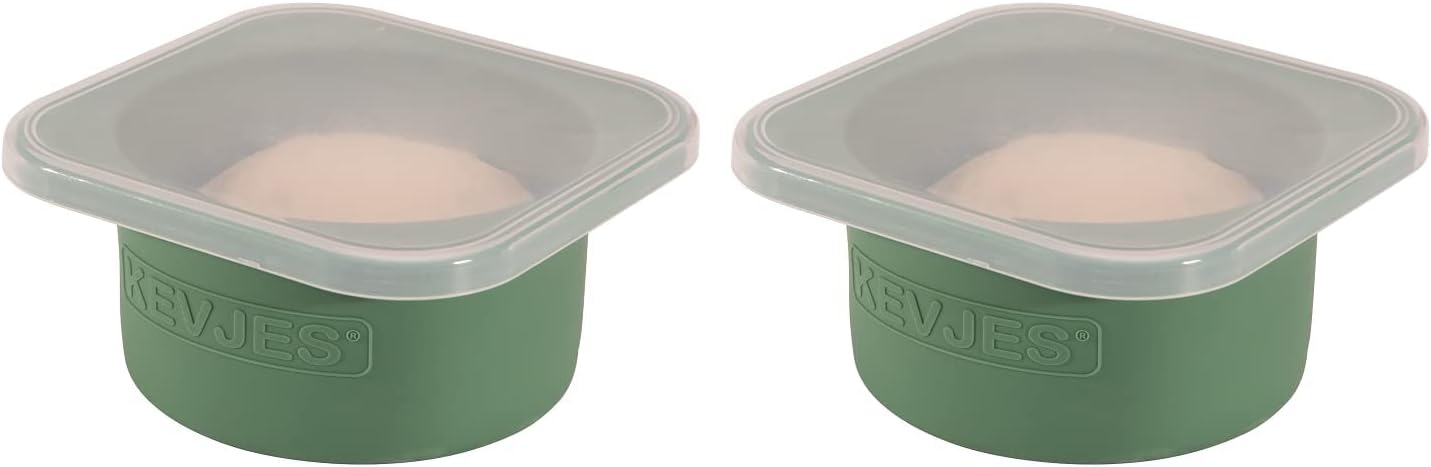
Steel-reinforced silicone storage vessels combine the flexible, non-stick convenience of silicone with the structural stability of an embedded metal frame. This design prevents the container from warping or bowing when filled with sticky dough balls, making them easier to handle and transport into the refrigerator. The sturdy framework maintains the shape of individual portions while allowing you to pop out fermented dough smoothly without tearing or deforming the delicate ball before shaping.
How long should I let pre-packaged pizza dough mixes rest before baking?
Resting times vary significantly depending on the specific mix and formulation you select for your meal. Some convenient dry crust mixes require only a brief five-minute rest with hot water before you can add toppings and bake immediately. Other artisan-style mixes involve a mandatory three-hour proving window to let the yeast develop proper elasticity and soft texture. Always consult the specific instructions on your packaging to plan your cooking timeline accurately without unexpected delays.
Why is container capacity important when storing multiple pizza dough balls?
Container capacity dictates how many dough portions you can proof or store simultaneously without overcrowding your workspace. Using undersized vessels can squish expanding dough balls, ruining their internal structure and making them difficult to stretch evenly. Large multi-liter proofing boxes let you manage bulk batches efficiently, while individual vessels keep single-portion balls separated and hydrated during cold fermentation. Matching container size to your batch volume ensures your dough retains its proper form and quality.