Appliances · Buying Guide
Best Non Stick Bread Loaf Pan Options for Everyday Baking
Baking homemade bread, savory meatloaf, or rich pound cakes requires reliable equipment that prevents sticking and ensures even heat distribution throughout the baking process. A quality non stick bread loaf pan transforms your kitchen routine, allowing you to slide out fresh loaves effortlessly without leaving baked crumbs or golden crusts behind on the interior metal surface.
Choosing the right pan depends on your specific recipes, oven capacity, and preferred cleanup methods. Whether you bake large sandwich loaves or smaller portions of cakes, lasagnas, or casseroles, understanding the features of heavy-duty steel and specialized coatings helps you select a durable baking pan for your daily kitchen needs over years of regular use.
As an Amazon Associate, StacyLaughs earns from qualifying purchases.
Buying guide
Material Composition and Durability
Selecting the right metal for your baking pan directly influences how well it conducts heat and resists warping over years of regular use. Carbon steel and heavy-gauge steel provide sturdy frames that withstand high oven temperatures without twisting or bending out of shape. Choosing heavy-duty metals prevents structural fatigue during repeated high-heat baking sessions in your busy kitchen.
Aluminized steel offers another robust option, combining commercial-grade strength with reinforced folded edges to support heavy bread doughs and dense meatloaves securely. Reviewing the underlying metal construction ensures your kitchen investment endures frequent baking cycles while maintaining consistent thermal performance across diverse sweet and savory recipes without degrading prematurely.
Nonstick Coatings and Food Release
A reliable nonstick coating ensures that your baked breads, cakes, and meatloaves slide out smoothly without tearing or sticking to the interior metal walls. Scratch-resistant formulas allow you to serve portions directly from the container, though checking manufacturer guidelines regarding metal or plastic utensils remains important for surface protection over extended use.
Specialty silicone or PFAS-free coatings offer alternative surface finishes that simplify both food removal and post-baking cleanup after messy casserole dishes or sticky desserts. Evaluating how the coating reacts to your typical recipes helps you maintain pristine pan conditions and prevents frustrating baking mishaps during regular weekly meal preparation routines across your household.
Size Variations and Recipe Scaling
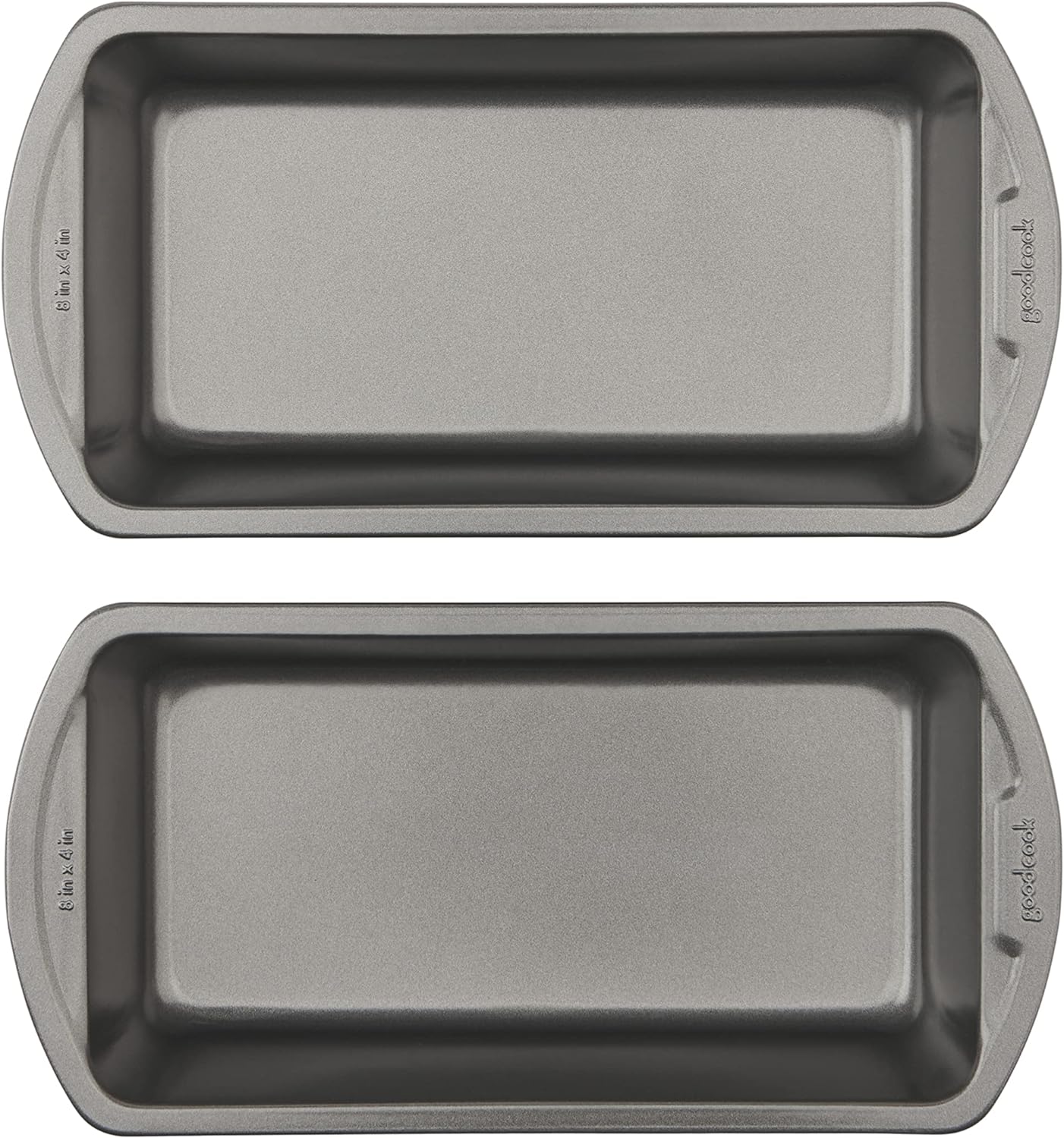
Loaf pans come in standard 9-inch formats, medium 8-inch variants, and commercial 1-pound sizes to match different baking scales accurately. Standard dimensions fit traditional sandwich bread recipes perfectly, while smaller medium pans work wonderfully for half-batches or compact toaster oven baking tasks in smaller kitchens or crowded apartments where space remains at a premium.
Carefully matching your pan dimensions to your favorite recipes prevents batter overflow issues and ensures proper crown development during the dough rising process. Taking time to measure your oven cavity and storage cabinets guarantees that your chosen pan fits comfortably without crowding other essential bakeware items in your kitchen inventory over time.
Heat Distribution and Baking Performance
Reliable even heat distribution prevents burnt crusts while ensuring the center of your loaf or meatloaf bakes thoroughly without raw spots. Heavy-weight steel and carbon steel materials absorb thermal energy efficiently, promoting uniform browning across every side of the pan during long baking cycles in hot kitchen ovens without requiring constant manual rotation.
Some advanced designs feature corrugated surfaces that further enhance airflow around the dough, supporting optimal crust formation and faster food release. Carefully evaluating thermal performance characteristics helps you achieve consistent results whether you are baking delicate pound cakes or dense yeast breads on busy weekends for family gatherings and daily meals.
Maintenance and Cleaning Requirements
Proper maintenance preserves the nonstick coating and extends the lifespan of your bread loaf pans through countless baking projects over the years. While many steel pans offer dishwasher-safe convenience, manufacturers frequently recommend gentle hand washing with warm soapy water to protect the specialized nonstick surfaces from aggressive commercial dishwasher detergents and high heat drying cycles.
Avoiding harsh abrasive metal scrubbers prevents deep scratches that compromise the nonstick performance over extended use periods. Carefully following specific care instructions provided for your chosen pan ensures that food releases smoothly and cleanup remains straightforward after every baking session in your busy home kitchen environment.
Handling and Storage Considerations
Safely moving heavy, hot pans filled with dense dough or meatloaf requires secure handling features like extended side grips. Pans designed with wider handles provide better leverage, reducing the risk of accidental slips when transferring hot items between oven racks and kitchen countertops safely during busy baking sessions and holiday meal prep periods.
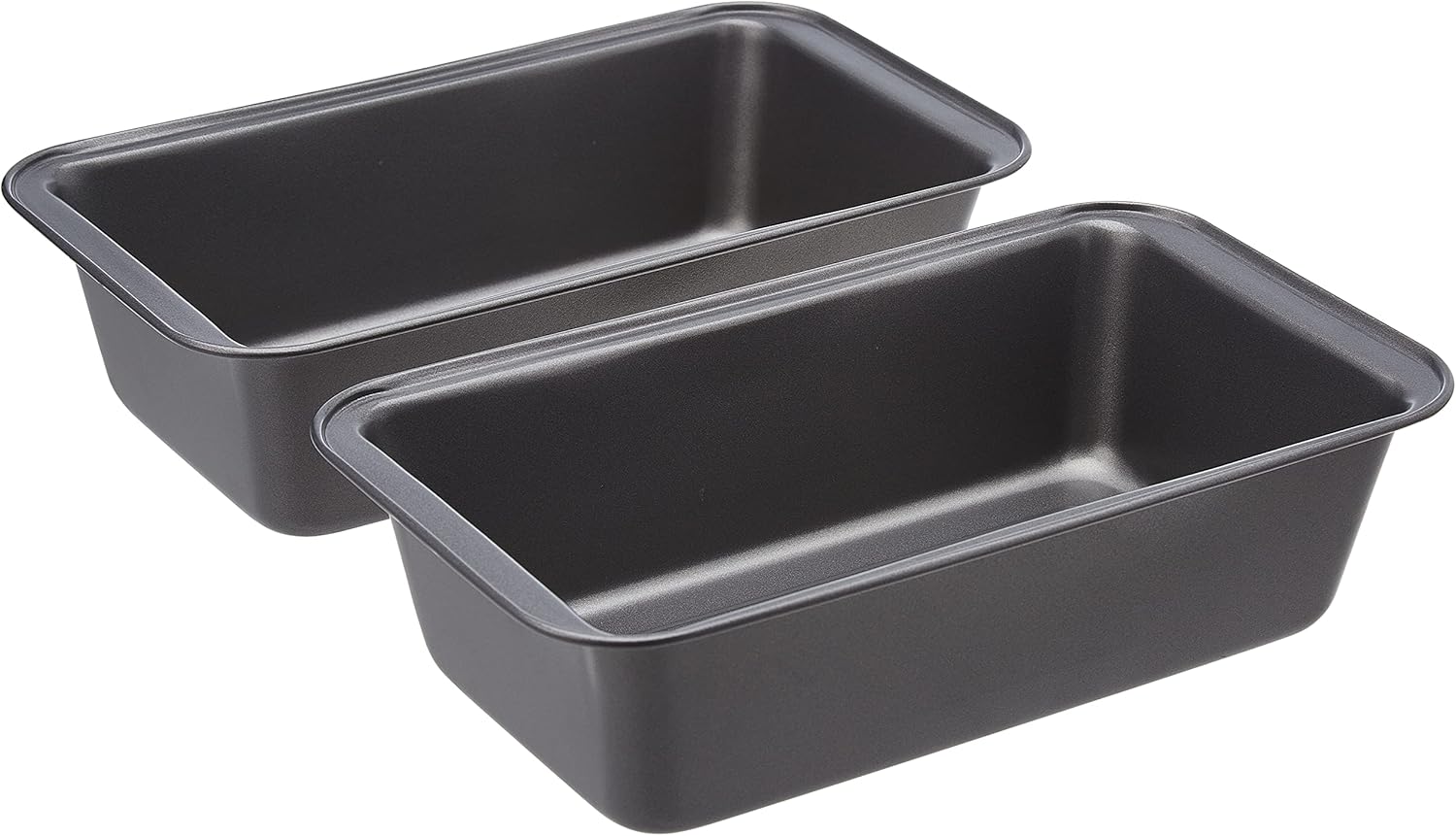
Storage efficiency also matters when managing multiple loaf pans in crowded kitchen cabinets. Selecting stackable designs or appropriately sized twin packs helps keep your pantry organized while ensuring your baking equipment remains readily accessible for spontaneous weekend recipe experiments without creating unnecessary clutter in storage spaces throughout your home kitchen.
Frequently asked questions
Can I use metal utensils on nonstick loaf pans?
While certain heavy-duty pans feature scratch-resistant coatings that are explicitly safe for metal spatulas, many traditional nonstick bakeware options perform best when you use wooden, silicone, or plastic tools. Using metal utensils on vulnerable coated surfaces can cause scratching and wear down the nonstick properties over time. Always check the specific manufacturer guidelines for your exact pan model before using metal implements to serve your baked breads and cakes directly from the container.
Should I grease a nonstick bread loaf pan before baking?
Although nonstick coatings are designed to facilitate effortless food release without heavy greasing, applying a light coating of oil, butter, or baking spray can still provide extra insurance for sticky recipes like sweet fruit breads or dense meatloaves. For standard yeast breads, the built-in nonstick surface is typically sufficient to let the loaf slide out cleanly after cooling. Evaluating your specific recipe's sugar and moisture content helps determine whether extra greasing is necessary.
Are all nonstick loaf pans safe to put in the dishwasher?
Not all nonstick loaf pans are rated for dishwasher cleaning. While several steel models offer dishwasher-safe convenience, many manufacturers explicitly recommend hand washing with warm soapy water to preserve the integrity of the nonstick coating against harsh commercial dishwasher detergents and high heat drying cycles. Reviewing the product care instructions for your specific bakeware model ensures you maintain the coating and extend the overall lifespan of the pan through years of use.
What temperature limits should I keep in mind for baking pans?
Upper temperature limits vary depending on the construction and coating of each loaf pan. Many standard steel and carbon steel bakeware options safely handle oven temperatures up to 428 or 450 degrees Fahrenheit. Exceeding these specified thermal thresholds can damage the nonstick coating or warp the underlying metal frame. Always verify the manufacturer upper temperature rating before placing your loaf pan into extremely hot ovens or utilizing specialized high-heat baking techniques.
What is the difference between 8-inch, 9-inch, and commercial loaf pans?
Loaf pan sizes dictate recipe scaling and portion sizes for your kitchen. Standard 9-inch pans accommodate traditional sandwich bread and family-sized meatloaf recipes comfortably. Medium 8-inch pans create slightly smaller portions that work well for half-batches or compact toaster ovens. Commercial-grade pans often feature unique corrugated designs and specific 1-pound capacities made from aluminized steel to enhance airflow, structural durability, and professional baking performance across diverse culinary styles in your home.