Appliances · Buying Guide
Best Non Stick Mini Loaf Pan Options for Home Baking
Baking individual portions of breads, cakes, or meatloaves requires the right equipment to ensure even heat distribution and easy food release. A quality non stick mini loaf pan helps home bakers achieve consistent results without leaving large portions behind. These specialized pans come in various configurations, ranging from single multi-cavity trays to sets of standalone pans constructed from durable metals like carbon steel or reinforced silicone.
Selecting the appropriate pan depends heavily on your specific recipes, oven space, and cleaning preferences. Some designs feature connected cavities for batch baking efficiency, while others offer flexible silicone bodies or heavy-duty individual molds. Evaluating material composition, handling features, and overall dimensions helps ensure the selected bakeware fits comfortably into your daily baking routine.
As an Amazon Associate, StacyLaughs earns from qualifying purchases.
Buying guide
Material Composition and Heat Distribution
Choosing the right material for your baking pans directly influences how evenly your breads and cakes bake. Carbon steel and heavy-gauge aluminized steel are popular choices because they conduct heat efficiently, promoting a golden-brown crust and a uniform crumb structure without developing hot spots. These traditional metals provide the structural rigidity necessary for repeated high-temperature baking sessions in standard home ovens.
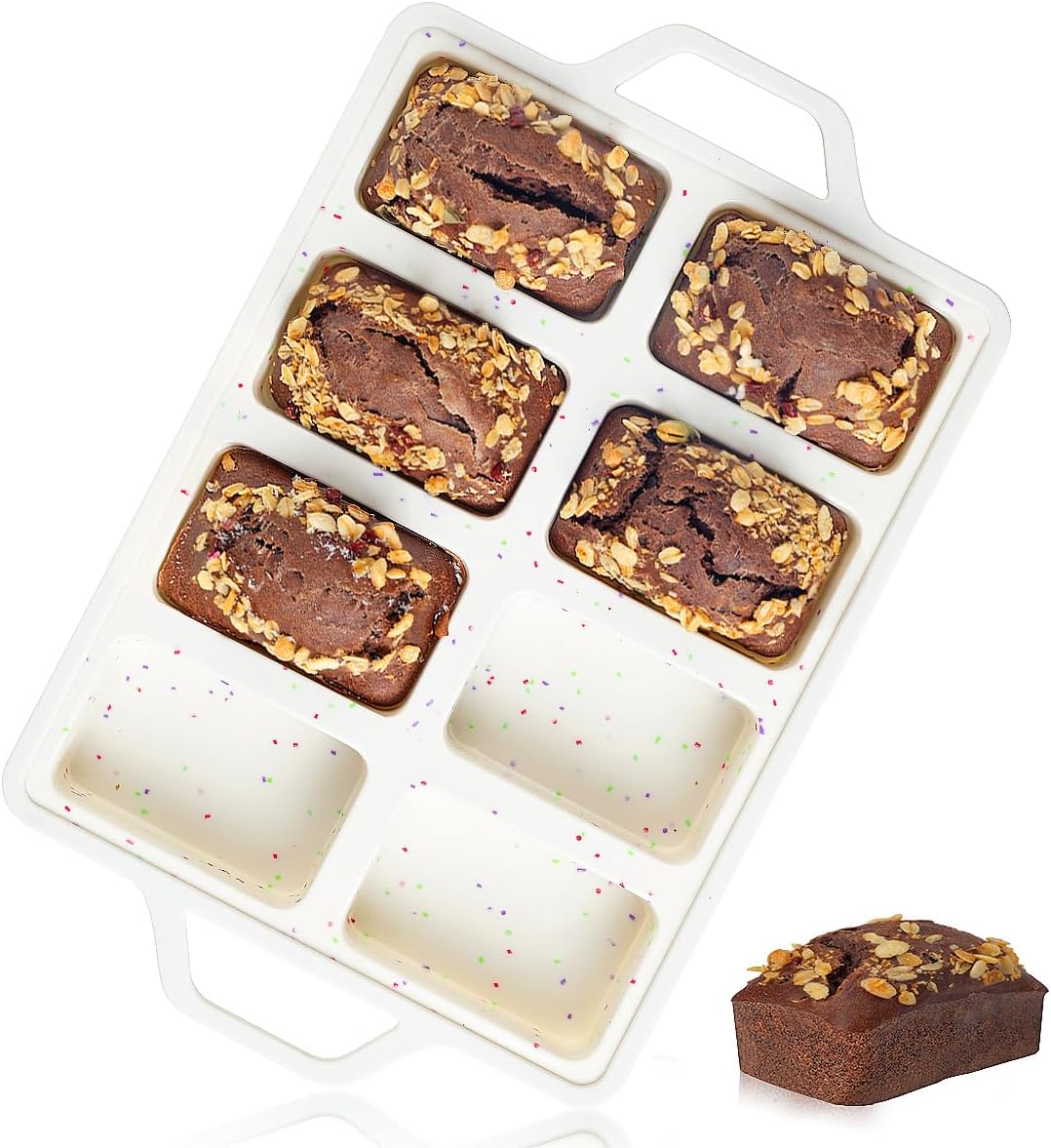
Alternative designs incorporate flexible silicone reinforced with hidden stainless steel frames. While rigid metal variants offer crisp corner definition, silicone provides effortless pop-out release properties for sticky ingredients. Matching the specific material composition to your preferred baking style ensures consistent, reliable thermal performance across all your favorite sweet and savory loaf recipes over years of regular kitchen use.
Cavity Layout and Batch Capacity
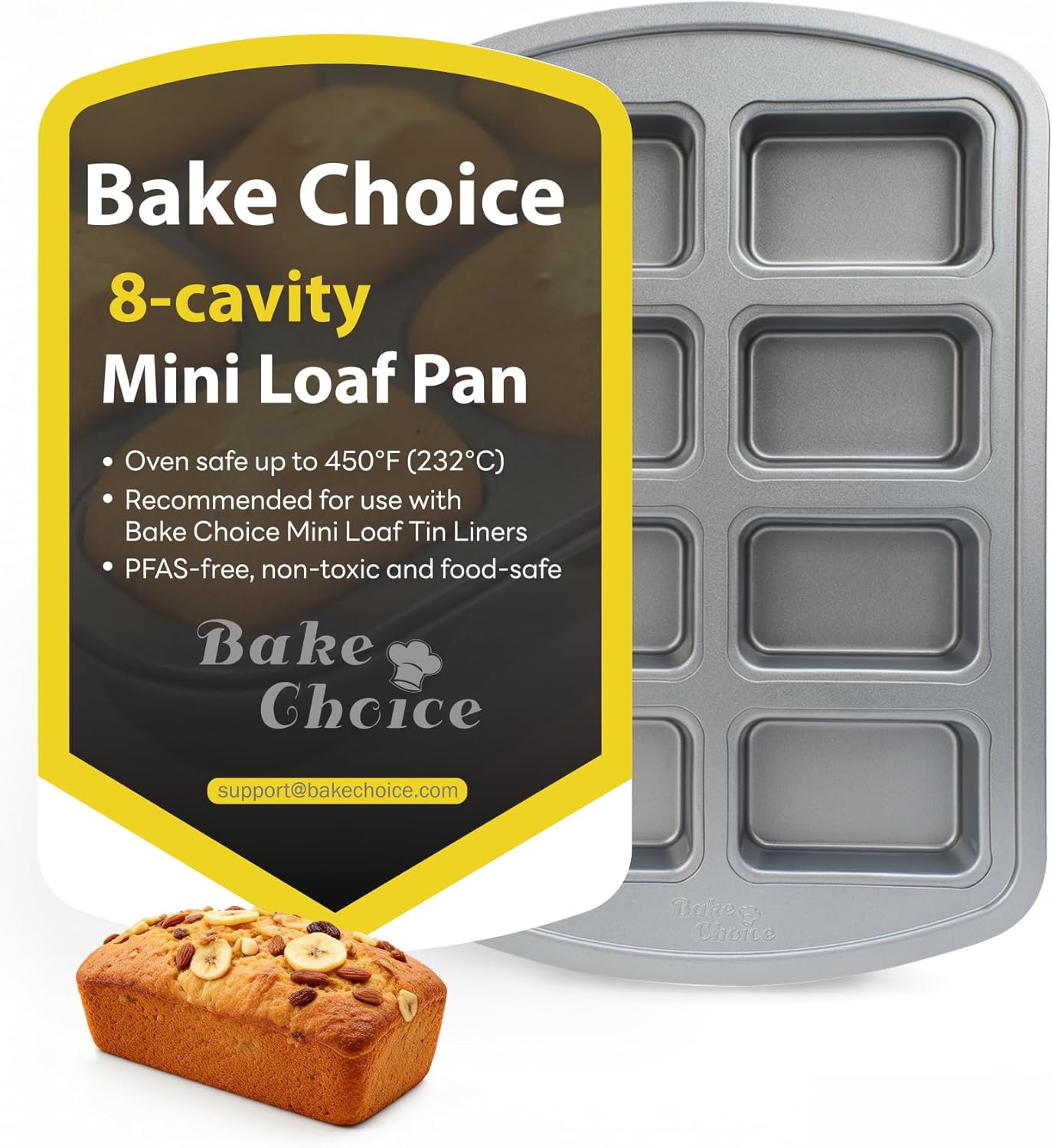
The layout of your baking equipment dictates how efficiently you can produce multiple portions at once. Multi-cavity trays feature several rectangular cups connected in a single rigid frame, allowing you to fill and bake eight individual mini loaves simultaneously during a single oven cycle. This unified design streamlines the loading process and saves valuable time when preparing large batches for family gatherings or gifts.
On the other hand, standalone individual pans grant complete freedom to arrange separate molds across varied oven racks or smaller toaster ovens. Choosing between a connected multi-cavity tray and a set of independent pans depends largely on your available oven dimensions, storage space constraints, and how many individual portions you intend to bake in a single session without overcrowding your cooking environment.
Non-Stick Surface Technologies
A reliable non-stick surface plays a major role in ensuring your baked goods release cleanly without tearing or sticking to the pan walls. Many modern baking pans utilize advanced coatings that are free from harmful chemicals like PFOA, BPA, and PTFE, offering peace of mind while promoting effortless food cleanup. These slippery interior treatments reduce the amount of excess butter or cooking spray required before pouring batter.
However, maintaining these delicate non-stick layers often requires mindful cleaning practices, such as hand washing with warm soapy water rather than relying exclusively on harsh dishwasher cycles. Assessing how a manufacturer applies and protects its non-stick coating helps you select bakeware that maintains its easy-release properties over extended periods of frequent kitchen use and regular washing routines.
Ergonomic Handles and Transport Safety
Maneuvering hot baking pans filled with heavy batter demands secure, comfortable handling features to prevent accidental spills and burns. Look for designs featuring extended side handles or wide, thumb-friendly rolled edges that accommodate thick oven mitts securely. These architectural additions provide a confident grip when transferring loaded trays between the oven rack and the kitchen countertop safely.
Standard pans that lack prominent side extensions require you to grasp the outer rim directly, which increases the risk of accidental contact with hot surfaces. Evaluating the handle design before purchasing ensures you can safely navigate your kitchen environment, even when wearing bulky protective gear while handling heavy carbon steel or silicone baking equipment.
Cleaning and Maintenance Requirements
Proper maintenance extends the functional lifespan of your baking equipment and preserves the integrity of specialized surface coatings. Many metal and silicone pans feature dishwasher-safe construction for ultimate cleaning convenience, allowing you to load them directly into automated dishwashers after cooling. This makes post-baking cleanup fast and straightforward for busy home cooks managing multiple kitchen tasks.
Despite dishwasher compatibility ratings, many manufacturers recommend gentle hand washing with mild soap to protect delicate non-stick coatings from abrasive detergents over time. Balancing your desire for quick cleanup convenience with recommended care instructions helps maintain optimal pan performance, ensuring your bakeware remains reliable, clean, and ready for your next baking project.
Storage Footprint and Cabinet Fit
Evaluating your available kitchen storage space is an essential step before purchasing new baking pans with wide frames. Connected multi-cavity trays spanning fifteen inches require flat storage locations inside wide cabinets or deep pantry shelves, as they cannot be easily folded or compressed. Measuring your storage areas beforehand prevents frustrating space conflicts in crowded kitchens.
Conversely, sets of individual standalone pans or flexible silicone molds offer greater versatility for tight spaces, as they can be stacked, hung, or tucked into narrow vertical gaps. Considering how your bakeware stores away when not in use ensures your kitchen remains organized and functional without overcrowding your primary cabinet storage zones.
Frequently asked questions
Can I use metal utensils with a non stick mini loaf pan?
Using metal utensils on a non stick mini loaf pan is generally discouraged because sharp edges can scratch or peel the protective coating. Scratches compromise the non-stick release properties and can lead to food sticking permanently to the exposed metal underneath. To preserve the lifespan of your bakeware, opt for silicone, wood, or plastic utensils when transferring baked goods out of individual cavities. Proper tool selection protects your investment and ensures effortless food release for years.
Do silicone mini loaf pans require greasing before baking?
While silicone pans feature naturally flexible, non-stick surfaces that allow baked goods to pop out easily, applying a light layer of oil or cooking spray is sometimes recommended depending on the recipe. Sticky batter formulations, such as high-sugar dessert breads or gluten-free mixtures, benefit from a light greasing to guarantee clean removal. Using a modest amount of oil prevents delicate crumbs from clinging to the interior walls, ensuring every mini loaf retains its neat, attractive shape upon serving.
How do I prevent my mini loaf pan from warping in the oven?
Preventing pan warping begins with selecting models constructed from heavy-gauge carbon steel, aluminized steel, or designs featuring wire rod reinforced rims and thick rolled edges. These architectural elements add structural stability that resists thermal stress during high-temperature baking up to 450 degrees Fahrenheit. Additionally, avoid placing hot pans directly into cold water or exposing them to extreme temperature shocks, as rapid cooling can warp even sturdy metal alloys over repeated baking cycles.
Are connected multi-cavity pans better than individual standalone pans?
Connected multi-cavity pans and individual standalone pans each serve different baking preferences and kitchen setups. Connected trays allow you to fill and load eight individual portions simultaneously with a single motion, saving time during batch baking. However, individual standalone pans offer greater flexibility for arranging molds across unconventional oven spaces or baking smaller quantities at once. Your choice depends entirely on your oven dimensions, batch size goals, and personal preference for loading and handling bakeware in the kitchen.
Should I wash my non stick baking pans in the dishwasher?
While many non stick baking pans carry dishwasher-safe ratings, manufacturers often advise hand washing with warm, soapy water to maximize the longevity of the coating. Harsh automatic dishwasher detergents and high water temperatures can degrade non-stick surfaces over time, reducing their slippery release qualities. Washing pans by hand using a soft sponge removes residual batter gently without exposing the delicate interior finish to aggressive chemical agents, helping your bakeware maintain peak performance across countless baking sessions.