Appliances · Buying Guide
Best Non Stick Muffin Tray Options For Your Baking Needs
Finding the right bakeware helps streamline your kitchen routine when preparing batches of sweet cupcakes, standard muffins, or savory baked goods. Selecting a suitable non stick muffin tray depends on your preferred materials, handling requirements, and batch sizes. Manufacturers offer various configurations ranging from flexible silicone molds to heavy-gauge carbon steel models built for regular use.
Exploring different construction types allows you to match your bakeware to specific recipes and cleaning preferences. Whether you need a high-volume set for family gatherings or a specialized jumbo tray for bakery-style creations, understanding the physical properties of each option ensures practical suitability and reliable food release in your kitchen environment.
As an Amazon Associate, StacyLaughs earns from qualifying purchases.
Buying guide
Material Composition
Choosing the right material for your baking pans influences heat transfer, durability, and overall weight. Carbon steel and heavy-gauge metal options provide sturdy structures that resist warping and distribute heat evenly for consistent browning across batches. Silicone alternatives offer exceptional flexibility and wide temperature ranges, though they require external metal trays for structural support during filling. Evaluating how each material aligns with your routine helps determine the best option for your kitchen.
Metal options typically support higher maximum oven temperatures compared to flexible molds, making them versatile for various recipes. Meanwhile, silicone surfaces excel at releasing delicate items without requiring paper liners. Consider your storage space and handling preferences when comparing materials, as rigid metal pans stack easily while flexible molds can adapt to tight spaces but demand careful placement before transferring into the oven.
Cup Capacity and Size Configuration
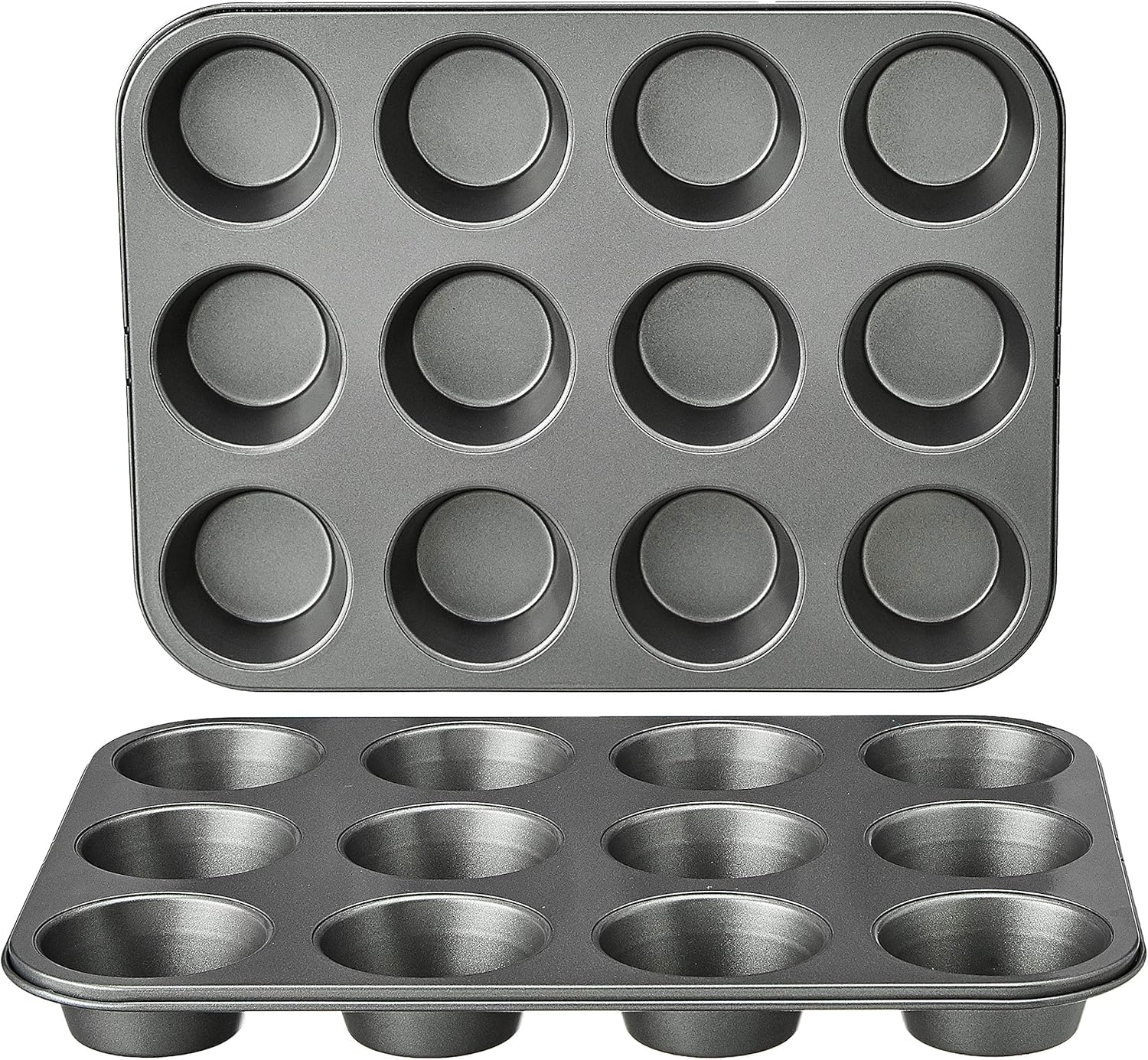
The number of cups per tray directly impacts how many baked goods you can prepare in a single baking cycle. Standard twelve-cup trays accommodate family-sized batches of muffins or cupcakes efficiently. In contrast, six-cup jumbo configurations provide larger cup diameters designed specifically for oversized gourmet or Texas-style recipes. Matching the tray capacity to your typical household output prevents the need for multiple successive baking rounds.
Beyond cup count, individual cup dimensions dictate the volume of batter each well can hold. Standard cups work well for everyday recipes, whereas jumbo dimensions require adjusted batter measurements to prevent overflow. Reviewing your favorite recipes ensures you select a tray with appropriate well sizing, ensuring your baked goods rise properly without spilling over the edges into neighboring compartments during baking.
Nonstick Coatings and Food Release
A reliable nonstick coating simplifies the process of removing baked goods from the pan without tearing or sticking. Many steel pans feature specialized scratch-resistant coatings that allow you to bake successfully with or without paper liners. This feature reduces cleanup time and helps maintain the visual shape of delicate cupcakes and muffins. Inspecting the coating specifications ensures you select bakeware designed for effortless food release.
Maintaining nonstick surfaces often requires specific cleaning care, such as hand washing with warm soapy water rather than running the unit through a dishwasher. While some manufacturers approve dishwasher cleaning, adhering to manual washing routines frequently extends the lifespan of the coating. Balancing your desire for effortless cleanup with recommended maintenance guidelines helps preserve your bakeware investment over years of frequent baking.
Handling and Grip Design
Maneuvering a hot baking tray safely requires comfortable and secure handling features. Pans equipped with extended handles or ergonomic silicone grips give you a firmer hold when wearing thick oven mitts. These design elements reduce the risk of slips or spills when transferring heavy pans in and out of hot ovens. Checking the edge design is especially important when working with heavier carbon steel models.
Handle configurations can also affect how the pan fits inside your oven racks or storage cabinets. Extended metal handles or silicone grips add overall length to the bakeware, requiring you to measure your oven interior beforehand. Selecting a design with well-integrated grips balances comfortable transport with practical storage clearance in standard kitchen spaces.
Temperature Tolerances and Heat Distribution
Even heat distribution is essential for achieving uniform browning and thorough baking across all cups in the tray. Heavy-weight steel and carbon steel materials conduct heat rapidly, preventing hot spots that could cause unevenly baked centers. Additionally, checking upper temperature ratings ensures the pan matches your specific recipe requirements, as standard metal pans and silicone molds operate within different maximum thermal limits.
Exceeding manufacturer temperature ratings can damage the nonstick coating or warp the underlying metal structure. Always review the specified maximum heat threshold before using pans under high-heat settings or specialized cooking appliances. Selecting bakeware with robust thermal ratings guarantees safety and longevity during high-temperature baking sessions.
Maintenance and Cleaning Guidelines
Proper cleaning routines protect the lifespan and performance of your baking trays over years of frequent use. While several metal pans are listed as dishwasher safe, manufacturers frequently recommend hand washing with warm soapy water to protect delicate nonstick surfaces from harsh detergents. Following these care instructions prevents premature wear and keeps the coating performing smoothly batch after batch.
Silicone molds offer flexible cleaning convenience and fit easily into compact spaces, but they still require thorough washing to remove stubborn residue. Inspecting the care guidance provided for each specific product ensures you adopt the correct maintenance habits. Prioritizing gentle cleaning methods safeguards your bakeware against scratches and degradation.
Frequently asked questions
Do I need to use paper liners with a non stick muffin tray?
Most nonstick muffin trays are designed to provide mess-free food release even without paper liners. The applied nonstick coatings on steel pans and flexible silicone surfaces allow baked goods to slide out smoothly. However, many bakers still choose to use paper liners for convenience, portion control, or easier cleanup. Using liners does not interfere with the performance of these pans, giving you the flexibility to bake with or without them depending on your recipe preferences.
Can I put a silicone muffin pan directly on the oven rack?
Due to the flexible nature of silicone muffin pans, you should not place them directly onto an oven rack without proper rigid support. Manufacturers explicitly recommend placing the silicone mold on a sturdy metal tray or cookie sheet before filling the individual cups with batter. This extra precaution provides the necessary stability to prevent bending, spilling, or shifting while you transfer the flexible pan safely in and out of the hot oven environment.
Are metal muffin pans dishwasher safe?
Many metal muffin pans are listed as dishwasher safe, but manufacturer care instructions often recommend hand washing for longer-lasting results. Dishwasher detergents and high water temperatures can degrade nonstick coatings over extended periods of frequent cleaning. Washing your pans by hand in warm soapy water helps preserve the integrity of the scratch-resistant surface, ensuring reliable food release and extending the overall working lifespan of your bakeware investment.
What is the difference between standard and jumbo muffin pans?
The primary difference lies in the capacity and dimensions of the individual cups. Standard muffin trays typically feature twelve cups designed for everyday recipes, cupcakes, and regular muffins. In contrast, jumbo muffin trays usually offer six larger gourmet-sized cups with increased diameters to accommodate oversized Texas-style recipes. Choosing between them depends on whether you prefer baking higher-volume standard batches or larger, bakery-style treats in a single cycle.
How do I prevent my baked goods from sticking to the pan?
Selecting a tray with a quality nonstick coating or flexible silicone surface significantly reduces sticking issues. Additionally, following manufacturer preparation guidelines—such as washing the pan before first use or applying light greasing when recommended by your recipe—helps ensure effortless release. Ensuring your oven heats evenly also prevents localized burning that can cause batter to adhere to the metal surface during the baking process.