Appliances · Buying Guide
Best Non Stick Pizza Peel Options for Crispy Crusts
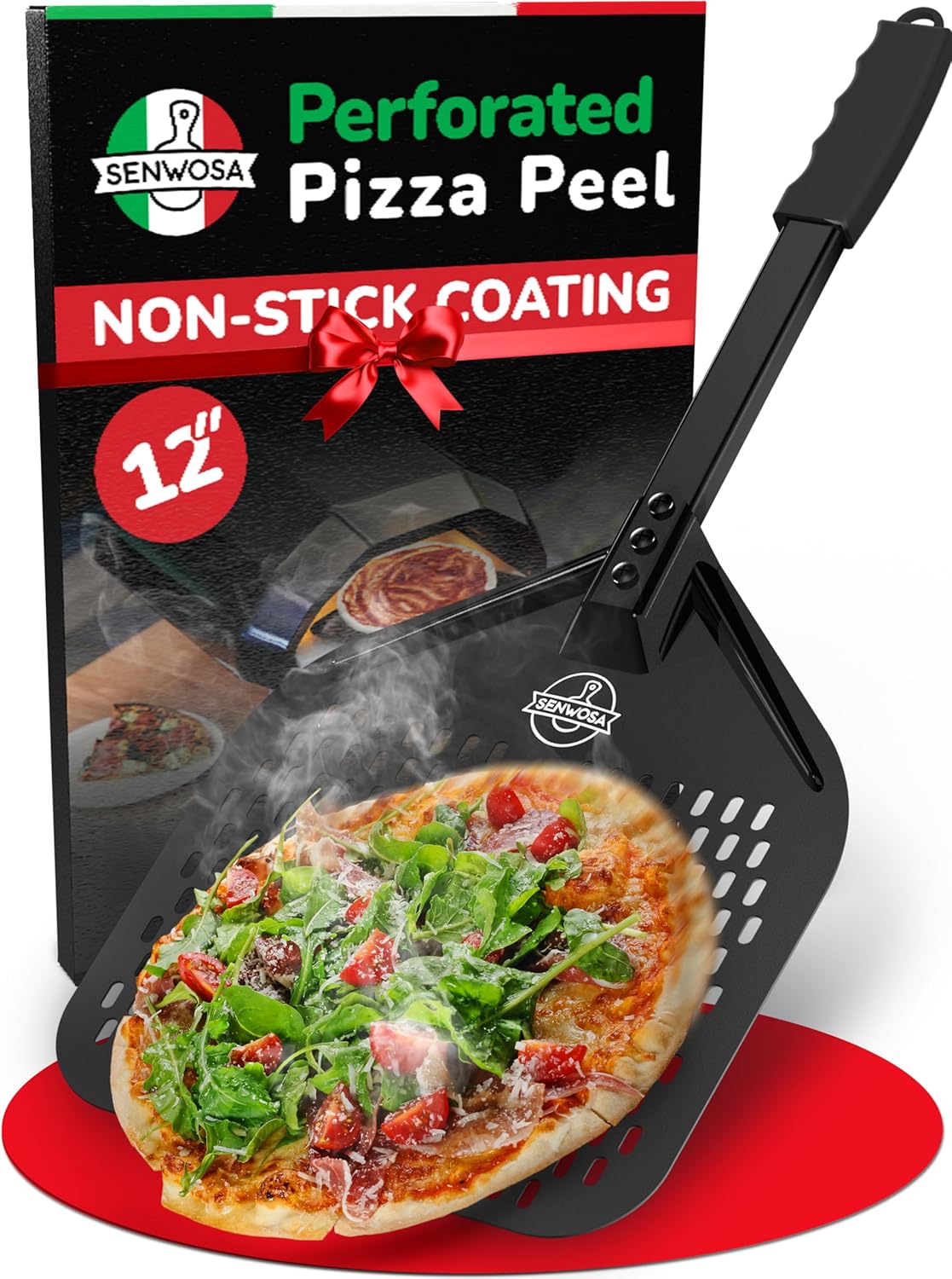
Finding the right non stick pizza peel transforms how you handle homemade dough, whether you bake in a backyard brick oven or a standard indoor kitchen setup. These practical culinary tools use lightweight metals and thoughtful perforated surfaces to help release excess flour and steam, allowing raw pies to slide smoothly onto hot stones without tearing or sticking to the metal surface.
Selecting an appropriate peel involves matching head diameters and handle lengths to your specific oven dimensions and personal baking style. Options range from compact 12-inch models featuring silicone, wood, or aluminum grips to larger 16-inch variations equipped with specialized cutting accessories for managing big family-sized meals safely and efficiently.
As an Amazon Associate, StacyLaughs earns from qualifying purchases.
Buying guide
Head Sizing and Oven Compatibility
Choosing the correct head size is vital for successful pizza launching. A standard 12-inch peel fits most conventional home ovens and smaller outdoor units, accommodating standard pies easily. If you prefer baking oversized family meals, a 16-inch model provides the extra surface area needed to prevent dough overhanging the edges. Match your peel's width directly to your oven opening dimensions to ensure smooth maneuverability during baking.
Oven design also dictates your choice. Outdoor brick and gas ovens often require longer reaches, while indoor kitchen setups benefit from compact tools. Always verify that your chosen paddle slides comfortably through the door frame without bumping the stone walls. Proper sizing prevents awkward angles and reduces the risk of dropped dough, keeping your cooking process efficient and enjoyable every single time you bake.
Material Selection and Durability
Aluminum is the industry standard for pizza peels due to its lightweight nature and excellent heat resistance. Anodized aluminum offers enhanced durability, resisting high temperatures well into the nine-hundred to eleven-hundred-degree range without warping. Unlike wood, metal options do not absorb moisture or harbor bacteria, making them sanitary and long-lasting choices for frequent baking.
Some advanced aluminum models feature specialized ceramic or non-stick coatings to improve dough release. While these coatings reduce friction significantly, they often require gentle hand washing to maintain their protective finish. Weigh the benefits of effortless food release against your cleaning preferences to select a material composition that seamlessly fits your household routine and maintenance habits.
Perforated Surfaces vs. Solid Paddles
Perforated surfaces offer distinct advantages by allowing excess flour and cornmeal to fall away before the dough enters the oven. This feature prevents burnt residue from creating smoke and bitter flavors on your crust. Additionally, the cutouts reduce the overall surface area, creating less friction so your unbaked pie slides off the metal much more smoothly.
The ventilation provided by perforations also lets steam escape from underneath the cooking crust, resulting in a crispier texture once finished. While solid peels offer a continuous surface for building heavy toppings, perforated models excel at preventing sticking issues during launching. Consider how much flour you typically use when deciding whether ventilation slots will benefit your baking technique.
Handle Length and Ergonomics
Handle length directly influences your safety and comfort while working around blazing hot ovens. Short handles offer superior control for indoor countertop setups and standard kitchen ranges. Conversely, long handles measuring fifteen to twenty-six inches keep your hands safely distanced from the extreme heat generated inside deep wood-fired brick ovens and commercial outdoor cookers.
Material choice for the grip also matters significantly. Wooden handles provide traditional comfort and natural heat insulation, while silicone-covered metal grips offer secure protection in outdoor environments. Some modern designs even feature detachable handles, allowing you to shorten the tool for compact storage. Evaluate your kitchen space and oven depth to find an ergonomic configuration that feels balanced in your hands.
Maintenance and Cleaning Requirements
Proper maintenance ensures your pizza peel remains in top condition for years of delicious baking. Most aluminum and coated peels specify hand washing with mild soap to protect specialized surfaces and metal finishes. Thoroughly drying the tool immediately after washing prevents water spots and maintains the integrity of the material, especially around handle joints and perforated edges.
If automated cleanup is a priority, look for specifically designated dishwasher-safe aluminum models that simplify post-dinner chores. However, always review manufacturer guidelines regarding coatings before running any kitchen tool through a high-heat wash cycle. Choosing a peel that aligns with your preferred cleaning routine guarantees you will enjoy using it frequently without burdensome upkeep.
Storage Solutions and Modularity
Kitchen storage space often dictates the type of pizza peel you should purchase. Long fixed-handle models require dedicated wall hooks or tall pantry clearance, which can pose a challenge in smaller homes. Modular options featuring detachable handles or screw-together assemblies offer a practical space-saving workaround, letting you take the tool apart for neat storage inside standard cabinets.
Built-in hanging loops or rotating hooks further enhance storage versatility by allowing you to hang the paddle vertically when not in use. Assessing your available kitchen storage before buying prevents clutter and keeps your tools easily accessible. Prioritize compact or modular designs if your culinary workspace is limited, ensuring your baking equipment stores away neatly without hassle.
Frequently asked questions
Why should I choose a perforated non stick pizza peel over a solid wooden paddle?
Perforated non stick pizza peels provide distinct functional advantages by utilizing strategic cutouts across the metal surface. These holes allow excess flour and cornmeal to fall away from your dough before launching, which stops burnt residue from creating smoke and bitter flavors in your oven. Furthermore, the reduced surface area decreases friction, helping raw pies slide smoothly onto hot stones without sticking. Ventilation also lets steam escape from underneath the baking crust, yielding a crispier texture.
How do I prevent my pizza dough from sticking to a metal peel?
Preventing dough from sticking begins with preparing your work surface properly and utilizing the built-in benefits of a perforated peel. Dust your dough lightly with flour or semolina, then gently shake the peel back and forth before launching to ensure the pie moves freely. The perforations on modern metal peels help release excess flour and allow air to pass underneath, reducing suction. Working quickly once the toppings are added also stops moisture from soaking into the dough.
Can I use an aluminum pizza peel in a high-heat wood-fired oven?
Anodized aluminum pizza peels are exceptionally well-suited for high-heat wood-fired ovens because they withstand extreme temperatures ranging from eight hundred up to eleven hundred degrees Fahrenheit depending on the specific model. The lightweight metal construction handles intense environments without warping while remaining easy to maneuver. However, you must pay attention to handle materials, as wooden or silicone-insulated grips protect your hands from conducting extreme heat while you launch and retrieve your pies near blazing fires.
What is the best way to clean and maintain a non-stick aluminum pizza peel?
Most non-stick and anodized aluminum pizza peels require hand washing with warm water and mild dish soap to preserve their specialized coatings and metal finishes. Avoid using abrasive scrubbing pads that can scratch ceramic or non-stick surfaces. After washing, dry the paddle thoroughly with a towel to prevent water spots and maintain its condition. If a specific model explicitly states it is dishwasher safe, you can use automated cycles, but manual cleaning is generally recommended for longevity.
Are detachable handles better for storing pizza peels in small kitchens?
Detachable handles are fantastic for kitchens with limited storage space because they allow you to break down a long-handled peel into compact pieces that fit easily inside standard cabinets or drawers. Fixed handles provide rigid stability during heavy-duty baking but require tall pantry clearance or dedicated wall hanging space. If your kitchen layout is tight or you plan to travel with your pizza equipment, a modular design with a detachable handle offers exceptional convenience without sacrificing reach.