Appliances · Buying Guide
Best Non Toxic Baking Tray Options for Everyday Oven Cooking
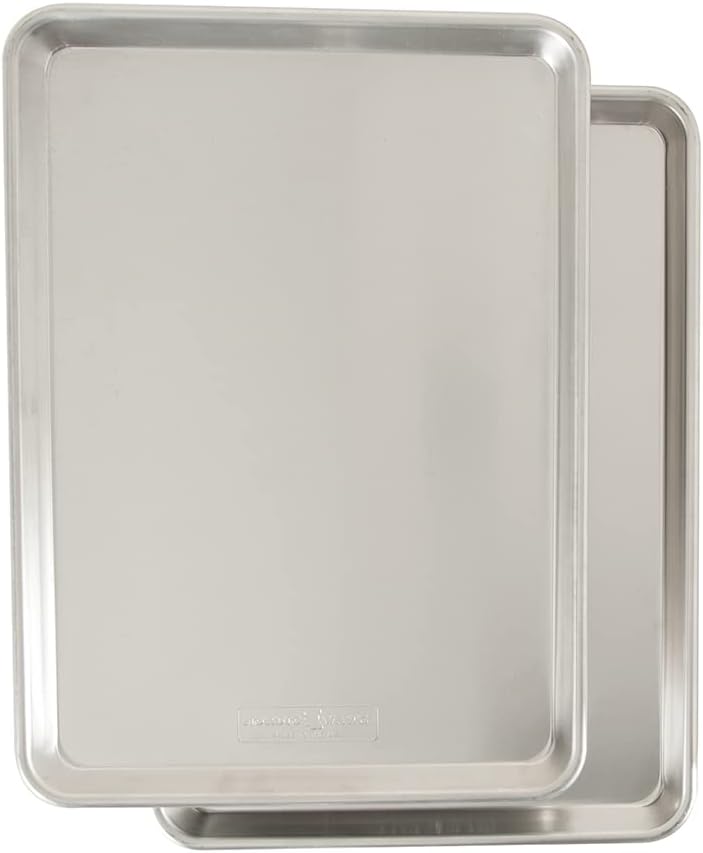
Finding a reliable baking tray involves evaluating materials like stainless steel, carbon steel, aluminum, and coated ceramic surfaces. Home cooks often seek options that fit specific oven sizes and recipe requirements, balancing heat performance with daily maintenance needs. Manufacturers use diverse structural designs, such as reinforced rims or rolled edges, to address durability and handling across various cooking tasks.
Selecting suitable bakeware depends heavily on matching dimensions and material properties to your routine cooking habits. Exploring the specific attributes of different tray sets allows you to compare dimensions, finishes, and cleaning methods before making an informed kitchen purchase.
As an Amazon Associate, StacyLaughs earns from qualifying purchases.
Buying guide
Choosing the Right Baking Tray Material
Selecting the ideal material for your baking tray depends heavily on your preferred cooking methods and maintenance style. Stainless steel offers exceptional rust resistance and durability without requiring chemical coatings. Carbon steel and aluminum provide alternative thermal properties, while ceramic coatings introduce specialized nonstick releases derived from natural sand materials.
Each material interacts with oven heat differently, influencing browning times and overall recipe success. Understanding these core properties helps you align your bakeware choices with daily cooking routines, ensuring long-term satisfaction across various culinary tasks.
Evaluating Tray Dimensions and Sizes
Baking trays are manufactured in diverse dimensions tailored to fit standard home ovens, compact toaster ovens, and dedicated kitchen storage cabinets. Choosing multi-size sets offers practical flexibility, letting you match specific pan dimensions directly to the volume of food required for your recipe. Smaller trays handle snacks efficiently, while mid-size options support everyday vegetable roasting and baking tasks without crowding your oven interior.
Larger half-sheet designs accommodate full family meals and high-volume batch baking effortlessly. Carefully measuring your oven interior prior to purchase guarantees proper airflow circulation, preventing uneven baking results and spatial conflicts during multi-pan sessions. Evaluating your standard recipe sizes ensures you select a configuration that balances daily convenience with storage capacity.
Understanding Nonstick Surface Options
Nonstick surfaces significantly simplify food release and post-cooking cleanup, making them highly popular choices for baking delicate items like cookies, pastries, and sticky roasted vegetables. Manufacturers utilize various nonstick technologies, ranging from ceramic coatings derived from natural sand materials to specialized carbon steel formulas. These treated surfaces reduce the necessity for excess oils or butter, helping you manage everyday food preparation routines more smoothly and efficiently.
However, coated trays frequently require more attentive maintenance, such as gentle hand washing with non-abrasive sponges, to preserve the protective finish over extended periods of use. Carefully weighing the convenience of effortless food release against specific manufacturer maintenance guidelines helps determine the most suitable bakeware style for your household kitchen habits.
Rim Design and Structural Rigidity
The structural rim of a baking tray plays a critical role in preventing warping and containing liquid ingredients safely during high-temperature cooking sessions. Rolled edges and reinforced borders add necessary mechanical rigidity to metal sheets, ensuring they maintain their flat shape across numerous baking cycles. These thickened rims also provide a secure, comfortable grip when transferring heavy loaded pans into hot ovens.
Advanced models frequently incorporate encapsulated galvanized steel wires or heavy-gauge borders to further resist thermal distortion under intense heat. Carefully evaluating rim construction helps identify resilient trays capable of withstanding frequent roasting without bending, twisting, or losing structural alignment over years of regular use.
Heat Performance and Thermal Conductivity
Thermal conductivity determines how efficiently and evenly a baking tray distributes heat from the oven source directly to your food items. Pure aluminum pans excel in conducting heat rapidly, promoting consistent browning and predictable texture for delicate baked goods. In contrast, stainless steel and heavy-duty steel options offer robust structural durability while distributing heat steadily across the cooking surface for balanced, reliable roasting results.
Matching the specific thermal characteristics of your bakeware to your typical cooking recipes ensures optimal texture and flavor development across every dish. Understanding how different metal alloys react to high temperatures empowers you to adjust baking times and oven settings accurately for successful home cooking.
Maintenance and Cleaning Considerations
Proper maintenance routines significantly extend the functional lifespan of your baking trays and keep them performing reliably over time. While many modern stainless steel and coated pans feature dishwasher-safe designations, manufacturer care guidelines frequently recommend gentle hand washing to preserve exterior finishes. Avoiding harsh chemical cleaners and abrasive scouring pads prevents permanent scratching on delicate nonstick and mirror-polished metal surfaces.
Establishing a consistent cleaning habit prevents stubborn baked-on grease accumulation and maintains sanitary cooking conditions for all future meals. Reviewing specific manufacturer care instructions for your chosen bakeware set ensures it remains a dependable kitchen staple throughout years of frequent culinary use, protecting your overall investment.
Frequently asked questions
What material is best for a non toxic baking tray?
Selecting the ideal material depends on your specific cooking preferences and maintenance style. Pure stainless steel offers a durable, chemical-free surface that resists rust and withstands high oven temperatures without coatings. Pure aluminum provides exceptional thermal conductivity for even browning, while ceramic-coated steel introduces an easy-release nonstick option derived from natural sand. Evaluating your daily recipes and cleaning habits will guide you toward the most appropriate material choice.
Can stainless steel baking sheets go in the dishwasher?
Many stainless steel baking sheets are manufactured with dishwasher-safe construction to simplify post-cooking cleanup. However, checking specific manufacturer guidelines for your exact product model is always recommended. While dishwasher cycles handle routine washing effectively, hand washing with mild soap and non-abrasive sponges helps maintain the mirror-polished finish and prevents water spotting over extended periods. Following these simple maintenance practices ensures your pans remain clean and ready.
How do rolled edges improve baking tray performance?
Rolled edges provide significant structural reinforcement to baking pans, helping them resist warping when exposed to high oven temperatures. By adding rigidity along all four sides, these thickened rims prevent the metal from twisting during intensive roasting sessions. Additionally, the reinforced design offers a secure grip when transferring heavy trays in and out of the oven, while slightly increasing capacity to contain juices and prevent messy spills inside your appliance.
What is the advantage of using a multi-size baking tray set?
A multi-size baking tray set provides versatile options to cover a wide variety of cooking and food preparation tasks in the kitchen. Having small, medium, and large pans allows you to match tray dimensions directly to the specific volume of food you are preparing, from snack batches to family meals. This flexibility ensures efficient use of oven space and simplifies organizing multiple dishes simultaneously without crowding your cooking environment.
How should I clean a ceramic nonstick baking tray?
Cleaning a ceramic nonstick baking tray typically involves washing the surface by hand using warm soapy water and a soft sponge. While some ceramic pans feature dishwasher-safe ratings, hand washing helps preserve the protective nonstick coating over regular use. Avoid utilizing metal scouring pads, harsh chemical cleaners, or sharp utensils that might scratch or compromise the ceramic finish, ensuring your tray maintains its smooth food release performance across numerous baking sessions.