Appliances · Buying Guide
Best Non Toxic Bread Loaf Pan Options for Safe Home Baking
Baking bread at home offers complete control over ingredients, letting you avoid unwanted additives while enjoying fresh slices straight from the oven. Selecting the right bakeware is an essential step in this process, especially when looking for reliable alternatives to traditional coated pans. Modern options range from carbon steel and stainless steel to cast iron, glass, and aluminized steel, each bringing distinct thermal properties to your kitchen counter.
Finding a dependable baking dish involves matching material characteristics to your preferred recipes, whether you are baking sandwich loaves, artisanal sourdough, or sweet cakes. Understanding how different metals and materials conduct heat helps ensure your bakes rise evenly and release cleanly without relying on harsh chemical treatments. Exploring these distinct varieties allows you to choose bakeware that fits seamlessly into your daily routine.
As an Amazon Associate, StacyLaughs earns from qualifying purchases.
Buying guide
Choosing the Right Loaf Pan Material
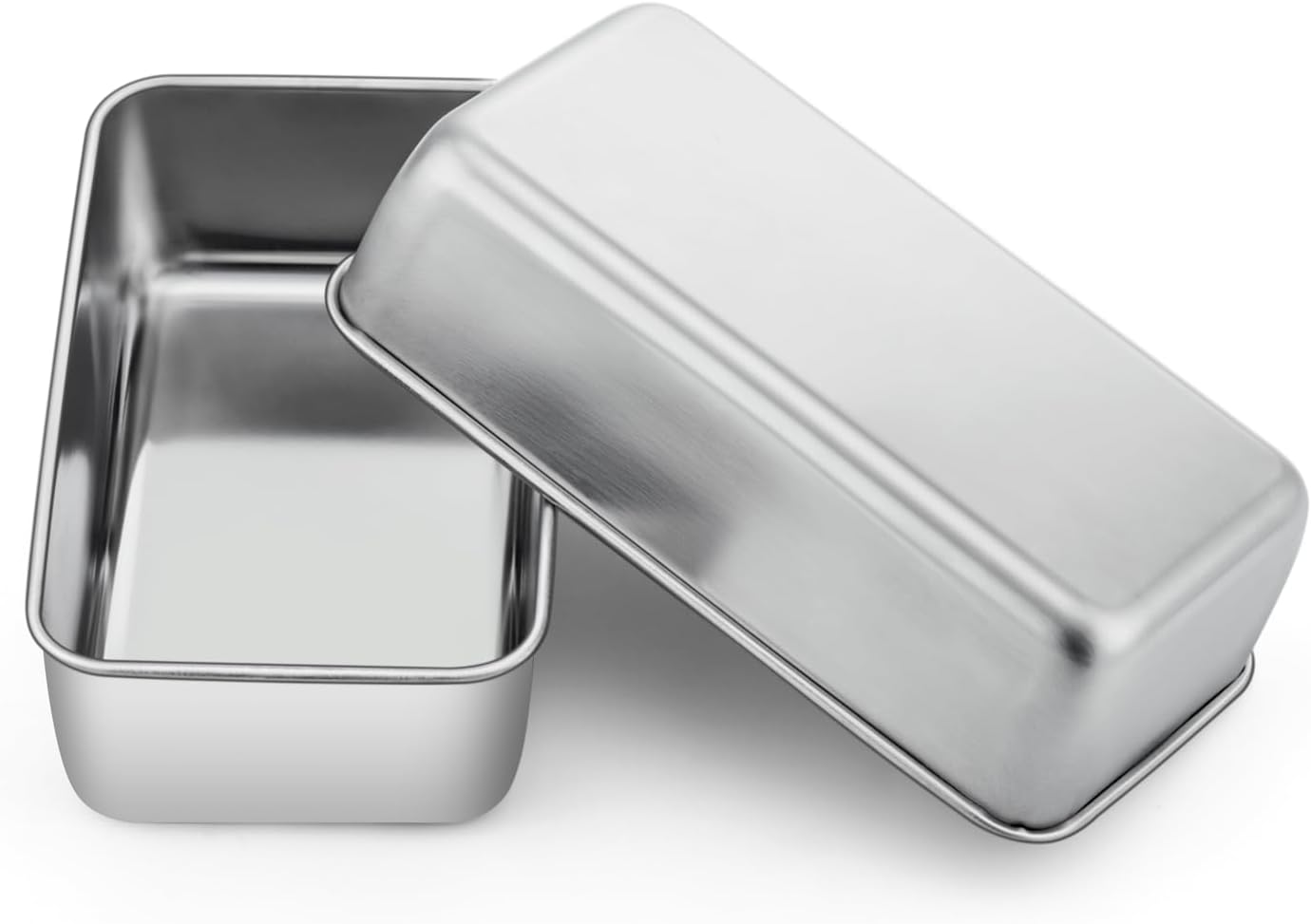
Selecting the proper material forms the foundation of successful baking, as different metals and minerals impact thermal conductivity. Carbon steel and aluminized steel heat up quickly, promoting even browning for cakes and sweet breads. Stainless steel offers a durable, rust-free surface without chemical coatings. Glass allows visual monitoring, while cast iron delivers unmatched heat retention for artisanal crusts.
Evaluating your favorite recipes helps narrow down these options effectively. Quick breads benefit from responsive metals, whereas heavy-duty options excel with dense sourdoughs. Matching the material to your baking style ensures consistent results.
Understanding Non-Toxic Coating Options
Eliminating harmful chemicals from your kitchen bakeware starts with inspecting surface treatments closely. Many modern loaf pans feature PFOA, PFAS, and PTFE-free silicone or ceramic-based nonstick coatings that facilitate easy food release. Alternatively, pure stainless steel and untreated cast iron eliminate synthetic layers entirely, relying on physical properties or natural seasoning instead of manufactured barriers.
Reviewing manufacturer specifications clarifies what materials touch your food directly. Choosing chemical-free surfaces provides peace of mind while preparing daily meals for family and friends.
Evaluating Thermal Retention and Heat Distribution
Heat distribution directly influences how your bread rises and browns during baking. Materials like carbon steel and aluminized steel transfer thermal energy rapidly across the entire surface, preventing hot spots. Cast iron retains heat for extended periods, helping dense batters develop deep, uniform crusts. Glass distributes heat evenly but often requires lowering oven temperatures slightly to avoid overcooking.
Understanding these thermal dynamics lets you tailor baking times accurately. Proper heat management prevents burnt bottoms and ensures evenly cooked centers in every loaf.
Cleaning and Maintenance Requirements
Bakeware longevity depends heavily on following correct cleaning and maintenance procedures. Many specialized nonstick or carbon steel pans require gentle hand washing with mild soap to preserve their delicate finishes. Stainless steel options often handle automatic dishwashers safely, saving time after heavy baking sessions. Cast iron requires periodic seasoning and thorough drying to prevent rusting over time.
Factoring maintenance effort into your purchase decision prevents unexpected upkeep frustrations later. Choosing dishwasher-safe or easily seasoned pans keeps your kitchen routine smooth and efficient.
Sizing and Storage Considerations
Loaf pan dimensions dictate portion sizes and cabinet space requirements. Standard nine-by-five-inch pans fit comfortably in most ovens and storage racks while accommodating standard bread recipes. Larger commercial Pullman pans or multi-piece sets demand extra shelf space but offer greater versatility for specialized baking projects. Measuring your available kitchen storage before purchasing avoids cramped cupboards.
Balancing pan capacity with physical dimensions ensures your bakeware fits both your recipes and your kitchen layout. Proper storage protects specialty coatings from unnecessary scratches.
Versatility Across Recipes and Appliances
Modern loaf pans often serve multiple culinary roles beyond basic bread baking. Glass and stainless steel options frequently transition seamlessly from oven baking to freezer storage or microwave reheating. Specialized pans with lids allow you to shape square sandwich loaves or store leftovers securely. Multi-use bakeware maximizes utility while reducing the total number of specialized dishes crowding your cabinets.
Assessing appliance compatibility ensures your pans handle freezing, microwaving, or high-heat baking safely. Selecting adaptable bakeware expands your daily cooking capabilities significantly.
Frequently asked questions
What makes a bread loaf pan non-toxic?
A bread loaf pan is considered non-toxic when it is manufactured without harmful synthetic chemicals like PFOA, PFAS, PTFE, or BPA in its construction or surface coatings. Many manufacturers utilize pure stainless steel, seasoned cast iron, borosilicate glass, or certified silicone-based nonstick coatings to ensure safety at high baking temperatures. Reviewing the specific material specifications helps confirm that no unwanted substances are released during everyday baking tasks, giving you confidence when preparing homemade breads and desserts.
Are glass loaf pans safe for high-temperature baking?
Yes, borosilicate glass loaf pans are specifically designed to handle high oven temperatures safely, often up to 500 degrees Fahrenheit. Because glass retains heat efficiently and distributes it evenly, it helps prevent localized hot spots during baking. However, it is generally recommended to lower standard oven temperatures by about 25 degrees when using glass bakeware. Additionally, glass pans transition smoothly between the oven, microwave, and freezer, though plastic lids should always be removed before heating.
How do I prevent bread from sticking to stainless steel pans?
Stainless steel loaf pans lack synthetic nonstick coatings, which means proper preparation is necessary to ensure clean food release. Before adding your dough, lightly coat the interior surface with cooking oil, butter, or baking spray. Alternatively, lining the pan with parchment paper provides an easy barrier that prevents sticky dough from clinging to the metal. This simple step keeps your loaves intact while preserving the durable, rust-free benefits of stainless steel construction.
Do cast iron loaf pans require special maintenance?
Cast iron loaf pans require traditional maintenance to keep their cooking surfaces in optimal condition. After each use, wash the pan by hand using warm water and mild soap, then dry it thoroughly immediately afterward to prevent rust. Applying a very thin layer of cooking oil while the iron is warm helps maintain the natural seasoning layer. This ongoing routine builds a durable, chemical-free nonstick finish that improves with age and frequent use across your favorite recipes.
Can I put my loaf pan in the dishwasher?
Dishwasher compatibility depends entirely on the specific material and coating of your loaf pan. Stainless steel and borosilicate glass options are typically rated as dishwasher safe for convenient cleanup. However, carbon steel, cast iron, and specialized coated bakeware usually require gentle hand washing with mild soap to protect their finishes and prevent surface degradation. Always check the manufacturer guidelines before placing any baking pan into an automatic dishwasher cycle.