Appliances · Buying Guide
Best Non Toxic Loaf Pan Options for Everyday Bread Baking
Baking delicious bread at home requires dependable equipment designed to handle high oven temperatures while keeping your ingredients entirely pure and safe. Choosing the right non toxic loaf pan ensures that your homemade yeast loaves, rich pound cakes, and savory meatloaves bake evenly without unwanted chemical coatings transferring into your food during the baking process.
Different kitchen setups and baking routines demand specific materials such as carbon steel, borosilicate glass, stainless steel, seasoned cast iron, or reinforced aluminized steel. Each available option provides distinct heat distribution properties, maximum temperature thresholds, and specific cleaning routines, allowing you to select a reliable baking dish that safely complements your favorite daily recipes.
As an Amazon Associate, StacyLaughs earns from qualifying purchases.
Buying guide
Material Selection for Non-Toxic Baking
Selecting the right material is the most important step when shopping for a non-toxic loaf pan. Common options include stainless steel, cast iron, borosilicate glass, carbon steel, and aluminized steel. Each material interacts with heat differently, influencing how your breads brown and rise. Understanding these material characteristics helps you match your baking style with a dish that supports your culinary goals without relying on synthetic chemical coatings.
For instance, cast iron and borosilicate glass retain heat exceptionally well, while stainless steel and carbon steel heat up quickly and distribute warmth evenly across the base. Consider how often you bake and whether you prefer heavy-duty pans or lighter alternatives. Reviewing material traits ensures you pick a reliable baking vessel that aligns with your preferred recipes, daily kitchen routines, and safety preferences.
Heat Distribution and Temperature Limits
Managing oven temperatures effectively depends on the specific thermal properties of your chosen loaf pan. Materials like carbon steel and aluminized steel distribute heat uniformly to prevent hot spots, ensuring your yeast breads and pound cakes brown evenly on all sides. Glass and cast iron retain heat for longer periods, which can alter baking times and require minor adjustments to your standard oven settings.
Always check the manufacturer temperature ratings before placing any baking pan into a hot oven. Exceeding maximum thresholds can warp metal pans or damage specialized coatings. Matching your oven settings to the physical limits of glass, steel, or iron prevents accidental damage and ensures consistent, predictable baking results every single time you prepare homemade loaves or savory meatloaves for your household.
Cleaning and Maintenance Requirements
Proper maintenance keeps your non-toxic loaf pan performing well over years of regular use. Many metal and glass baking dishes require manual hand washing to protect specialized nonstick coatings, silicone finishes, or seasoned surfaces from harsh dishwasher detergents. While hand washing takes a little extra effort, it prevents premature wear and preserves the structural integrity of your bakeware investment.
Reviewing the care instructions before purchase helps you choose a pan that fits your lifestyle. If you prefer effortless cleanup, dishwasher-safe stainless steel or glass options save time after a long baking session. However, seasoned cast iron demands specific drying routines to prevent rust. Balancing your desire for convenience against required upkeep ensures long-term satisfaction with your kitchen bakeware.
Capacity and Dimension Considerations
Loaf pan dimensions dictate the shape, height, and overall volume of your finished baked goods. Standard sizes like nine by five inches accommodate typical bread recipes, fitting comfortably into most home ovens alongside other cookware. Paying attention to pan depth is equally important when baking batter-heavy cakes or multi-layered dishes like lasagna, ensuring your ingredients overflow safely without making a mess.
Capacity measurements also help you determine whether a pan suits small household meals or larger family batches. Taller rims and wider bases offer flexibility for various recipes beyond simple bread, such as meatloaves or frozen desserts. Matching physical dimensions to your typical baking volume guarantees that your chosen pan handles your favorite recipes without crowding your oven or storage cabinets.
Surface Coatings and Food Release
Achieving clean food release without relying on harmful chemicals is a key benefit of modern non-toxic bakeware. Many pans utilize physical design elements like corrugated surfaces, natural seasoning oils, or PTFE-free silicone finishes to prevent sticky dough from clinging. These features help your cakes, breads, and casseroles slide out easily once baking is complete, reducing the need for excessive oil or butter.
When selecting a pan, consider how different surfaces interact with your specific recipes. Uncoated stainless steel may require traditional greasing or parchment paper liners, whereas silicone-coated or pre-seasoned iron pans offer built-in release properties. Evaluating these surface characteristics ensures you enjoy hassle-free baking while maintaining complete confidence in the safety and purity of the materials touching your food.
Storage and Kitchen Compatibility
Evaluating your kitchen storage space ensures that your new loaf pans fit comfortably inside your cabinets or pantry shelves. Larger multi-pack sets or heavy cast iron dishes require designated space and sturdy shelving to support their weight safely. Checking physical footprints before buying prevents overcrowding in your kitchen and keeps your baking essentials easily accessible whenever inspiration strikes.
Additionally, consider how pans with lids or ergonomic handles affect your storage arrangement. Integrated handles make transporting heavy pans safer, but they also extend the overall width of the dish. Planning where and how you will store your bakeware guarantees a clutter-free kitchen environment, allowing you to enjoy your baking projects without dealing with inconvenient storage hurdles or cramped cabinet spaces.
Frequently asked questions
What makes a loaf pan non-toxic?
A non-toxic loaf pan is crafted from pure, inert materials such as stainless steel, cast iron, borosilicate glass, or certified coatings that are entirely free from harmful synthetic chemicals like PFOA, PFAS, and PTFE. These materials ensure that no unwanted residues, heavy metals, or chemical tastes transfer into your breads, cakes, or casseroles during high-temperature baking. Selecting a truly non-toxic pan gives you peace of mind, allowing you to focus completely on creating wholesome, delicious homemade meals for your family without worrying about synthetic chemical exposure.
Do glass loaf pans require different baking temperatures?
Yes, baking with glass loaf pans typically requires lowering your oven temperature by approximately 25 degrees Fahrenheit compared to traditional metal bakeware. Borosilicate glass retains heat exceptionally well and distributes it evenly, but higher initial heat settings can sometimes cause uneven baking or over-browning if adjustments are not made. Lowering the temperature helps protect the glass from thermal stress while ensuring your cakes, breads, and casseroles bake thoroughly and evenly from the center out to the edges.
How should I clean and maintain stainless steel loaf pans?
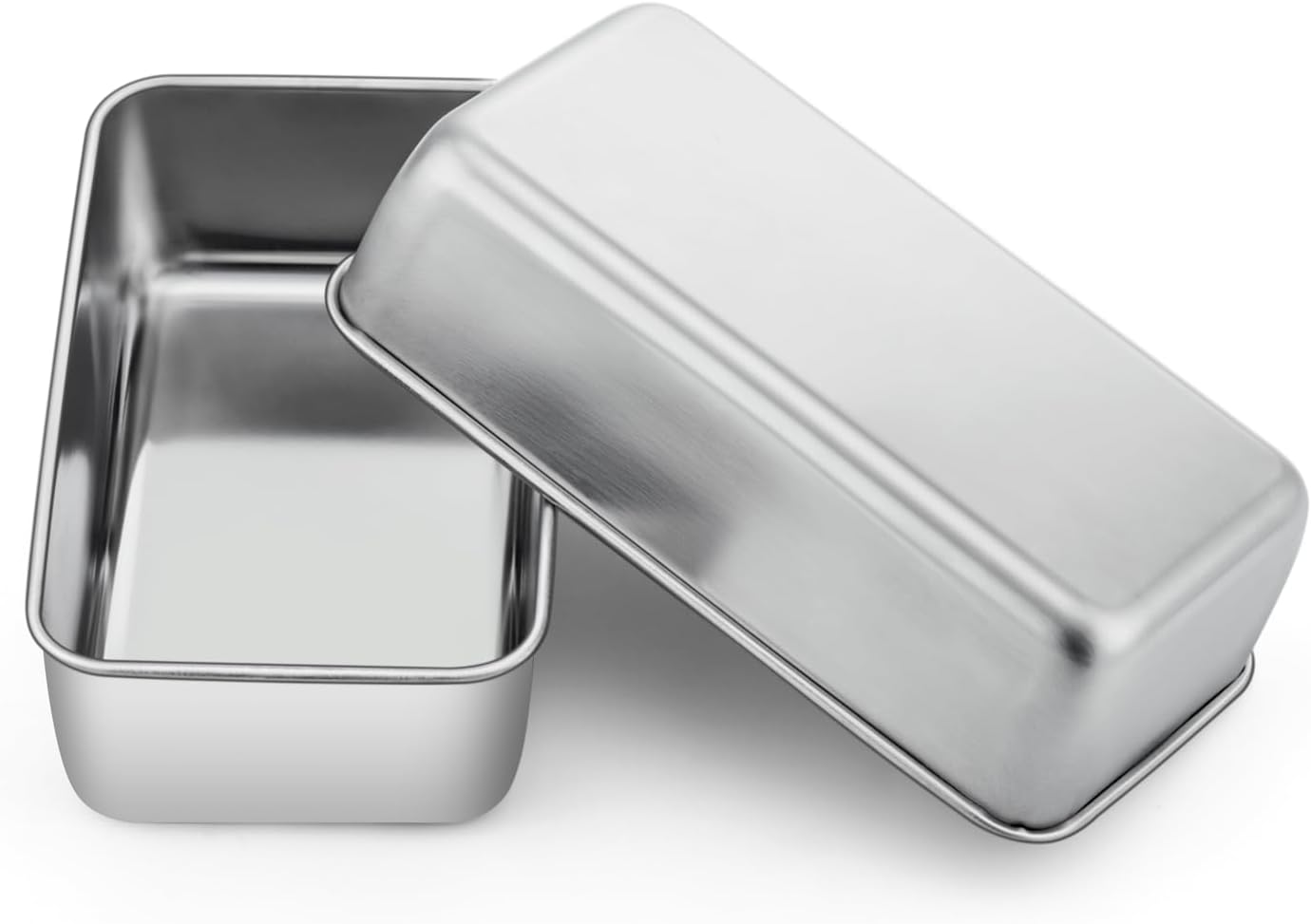
Stainless steel loaf pans are remarkably durable and usually safe for the dishwasher, which simplifies cleanup after heavy baking sessions. However, to keep the brushed surface looking shiny and prevent stubborn food buildup around the corners, you can also wash them by hand using warm soapy water and a non-abrasive sponge. Avoid using harsh steel wool or scouring pads that might scratch the metal finish. Proper drying after washing prevents water spots and keeps your stainless steel pans in pristine condition for years.
Are pre-seasoned cast iron loaf pans difficult to care for?
Pre-seasoned cast iron loaf pans require a bit more attention than dishwasher-safe metal or glass alternatives, but they offer unmatched heat retention and durability. To maintain the natural seasoning, you should always wash cast iron by hand with mild soap and water, dry it thoroughly immediately afterward, and apply a light coat of oil to prevent rust. Avoiding long periods of soaking in water ensures your cast iron bakeware remains well-seasoned and ready for your next baking project.
Why do some metal loaf pans feature corrugated surfaces?
Metal loaf pans with corrugated surfaces use raised ridges to enhance air circulation underneath your dough during the baking process. This improved airflow helps heat distribute more evenly around the loaf, promoting consistent browning and an optimal rise for breads and cakes. Additionally, the reduced surface contact between the dough and the pan helps facilitate quick, effortless food release once your baked goods are removed from the oven, reducing the likelihood of sticking.