Appliances · Buying Guide
Best Old Fashioned Flour Sifter Options for Classic Baking
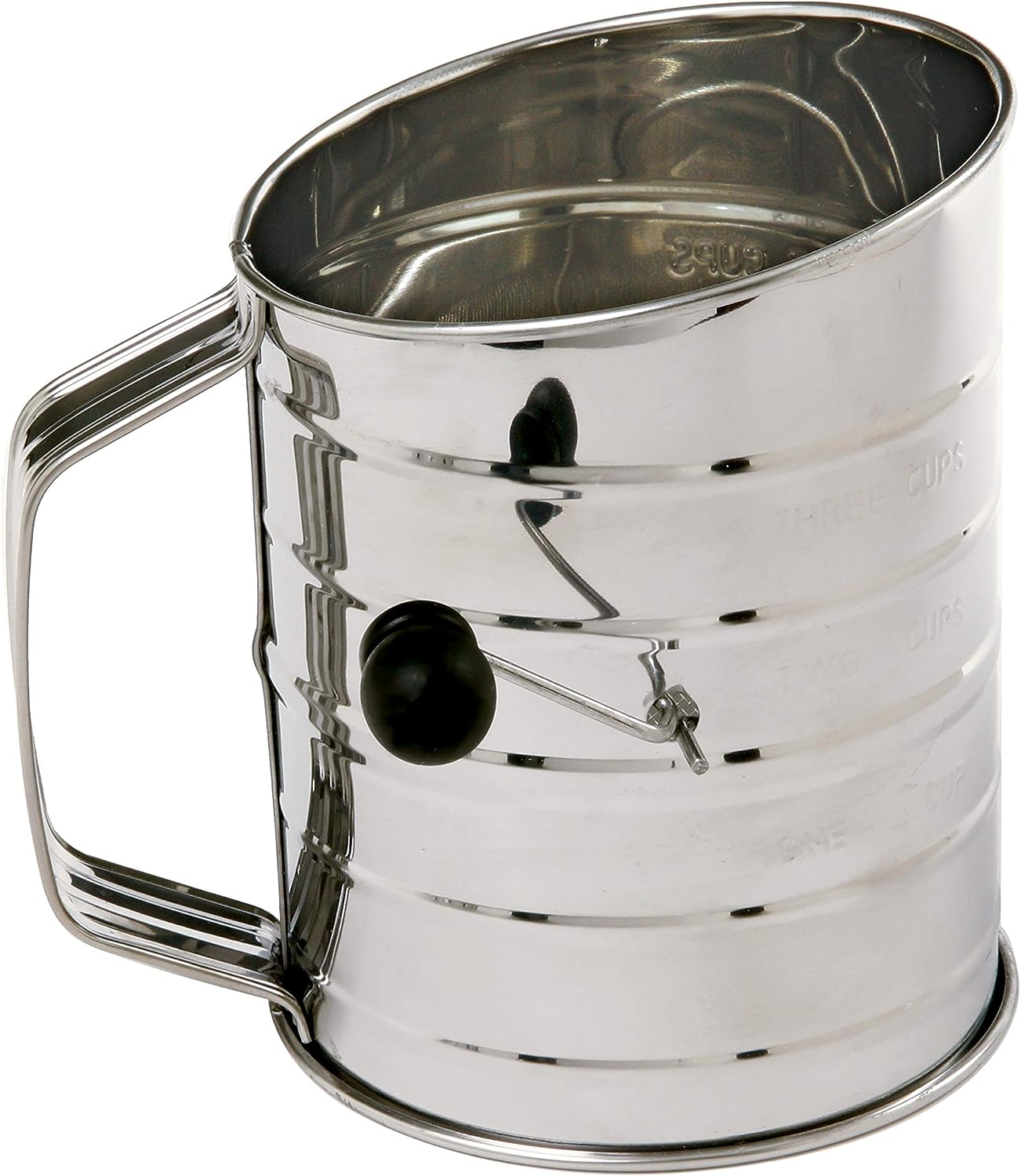
Baking with traditional kitchen tools brings a sense of timeless craftsmanship to home baking, especially when preparing delicate cakes, pastries, and breads. An old fashioned flour sifter relies on mechanical rotary hand cranks rather than modern squeeze handles, offering a dependable way to aerate dry ingredients smoothly and evenly without straining hands or wrists during repetitive mixing tasks.
Selecting the right traditional sifter involves looking at capacity, agitator design, and material construction to match your regular baking routines. Stainless steel models provide durable, rust-resistant housing that holds up through years of flour, powdered sugar, and spice dusting while maintaining clear stamped volume measurements for straightforward kitchen measuring tasks.
As an Amazon Associate, StacyLaughs earns from qualifying purchases.
Buying guide
Material Durability and Construction
Selecting a traditional baking sifter starts with evaluating the primary building materials. Stainless steel options easily outlast traditional aluminum or fragile plastic alternatives by resisting rust, dents, and chips over years of kitchen use. This robust metallic integrity ensures your investment remains dependable through countless baking sessions, holiday preparations, and routine dry ingredient processing without structural degradation or material weakening.
A solid metallic housing ensures the sifter withstands frequent storage, cabinet crowding, and daily handling without bending out of shape. Choosing food-grade stainless steel guarantees safe contact with dry baking ingredients while keeping maintenance straightforward for home bakers who prefer reliable, long-lasting kitchen tools that require minimal special care to stay functional and attractive.
Capacity and Batch Sizing
Understanding your typical baking volume helps determine the ideal capacity for your flour sifter. Standard home models typically hold three cups of dry ingredients, providing enough room for average cake, cookie, and pastry recipes without creating excessive bulk during cabinet storage. Evaluating how much flour you sift at one time ensures you select a model that balances holding power with comfortable handling weight.
Bakers who frequently tackle larger dough preparations or multi-tier celebration cakes may find that standard capacities require multiple refills during mixing. Matching the sifter size to your usual recipe output prevents workflow interruptions and ensures you can aerate all required flour smoothly in one continuous motion. Selecting the correct size keeps your baking prep organized and efficient from start to finish.
Agitator Mechanisms and Mesh Design
The internal agitator mechanism plays a vital role in how efficiently a sifter breaks down stubborn flour lumps and aerates dense powders. Double-loop or two-wire agitators sweep closely against the inner walls to capture clumps and force them through the screen without clogging. This mechanical action ensures every particle is thoroughly separated, yielding the light, fluffy texture required for delicate sponge cakes and pastries.
Single mesh configurations offer a balanced approach that promotes smooth rotation while remaining exceptionally easy to clean after baking. Avoiding overly complex multi-layer screens prevents dry ingredients from getting trapped in hard-to-reach crevices, making post-baking cleanup significantly faster for everyday home cooks who value convenience alongside reliable sifting performance.
Crank Operation Versus Squeeze Handles
Rotary hand crank sifters offer a distinct ergonomic advantage over modern squeeze-handle models by minimizing hand fatigue during extended baking tasks. Turning a smooth rotary handle distributes effort evenly across the hand and wrist, making it an excellent choice for home bakers with arthritis or reduced hand strength who struggle with repetitive gripping motions.
Traditional hand cranks stand up to repeated use over many years without losing tension or wearing out internal springs found in alternative designs. This mechanical simplicity ensures effortless operation whether you are sifting fine cake flour, coarse almond meal, or dusting powdered sugar across freshly baked treats.
Measurement Markings and Visibility
Having clear volume measurements stamped directly into the metal body adds exceptional convenience to your baking preparation process. Being able to read measurements from both inside and outside the sifter eliminates guesswork when adding flour or sugar directly into the hopper. This double-sided visibility ensures accurate tracking of ingredients as you build your recipe step by step.
Etched or stamped markings will not fade or wash away over time like printed ink labels, ensuring permanent legibility through years of washing and handling. This practical design choice lets you measure and sift simultaneously, reducing the number of extra measuring cups needed on your crowded kitchen counter during busy baking projects and holiday meal preparations.
Maintenance and Cleaning Considerations
Proper cleaning routines help preserve the structural integrity and shiny appearance of stainless steel baking sifters over decades of reliable kitchen use. Most traditional models require gentle hand washing with warm water and mild dish soap to maintain their polished finishes and prevent moisture damage to moving internal parts and joints.
Thoroughly drying the sifter immediately after washing prevents unsightly water spots and protects the delicate fine mesh screen from long-term moisture exposure. Avoiding harsh scouring abrasives ensures the metal housing remains smooth and safe for handling all types of dry baking ingredients year after year without scratching or dulling the surface.
Frequently asked questions
Why choose a hand crank flour sifter over a squeeze handle model?
Hand crank sifters use a rotary mechanism that distributes effort evenly across your hand and wrist, significantly reducing fatigue during repetitive baking tasks. Unlike squeeze-handle models that rely on hand strength and can strain your fingers, a smooth hand crank operates with minimal resistance. This makes crank-style sifters particularly beneficial for bakers with arthritis or those processing larger batches of dry ingredients. Additionally, the continuous circular motion drives double-loop agitators smoothly against the mesh, capturing lumps effectively without leaving unblended flour behind in the hopper.
Are stainless steel flour sifters safe from rust and corrosion?
Food-grade stainless steel construction provides excellent resistance against rust, corrosion, dents, and cracks compared to traditional aluminum or plastic alternatives. This durable metallic composition ensures the sifter withstands frequent exposure to dry ingredients, spices, and powdered sugar without degrading. While stainless steel is naturally rust-resistant, proper maintenance—such as hand washing and thoroughly drying the unit after every use—protects the finish and prevents moisture buildup around the wire mesh and moving crank joints, ensuring the tool lasts for many years.
How do double-loop agitators improve the sifting process?
Double-loop wire agitators sweep closely along the interior walls and bottom screen of the sifter to capture stubborn lumps of flour, cocoa powder, or powdered sugar. Traditional single-wire or squeeze models often leave pockets of unblended ingredients that clog the mesh or fall through unevenly. The dual-wire design breaks down these clumps efficiently, forcing aerated powder through the screen in a fine, uniform consistency. This thorough breakdown is essential for achieving the light, delicate textures required in sponge cakes, angel food cakes, and pastries.
Can I clean my traditional flour sifter in the dishwasher?
Manufacturer guidance for traditional stainless steel hand-crank sifters typically recommends gentle hand washing with warm water and mild dish soap rather than automated dishwasher cycles. Dishwasher detergents and harsh water jets can damage polished exterior finishes, dull the metal, or trap moisture in the delicate wire mesh and crank mechanisms. Hand washing allows you to clean the interior and exterior thoroughly while ensuring you can dry the unit completely right away, preventing water spots and protecting the moving joints.
Why are volume measurements stamped into the sifter body?
Volume measurements stamped or etched directly into the metal interior and exterior provide permanent visibility that will not fade, rub off, or wash away over time like printed ink labels. This design feature lets you measure dry ingredients directly inside the hopper as you pour them, eliminating the need for extra measuring cups on your crowded counter. Being able to read capacity levels from both inside and outside the sifter streamlines your baking preparation, keeping your workflow efficient and accurate.