Appliances · Buying Guide
Best Outdoor Wood Fired Pizza Oven Options for Your Backyard
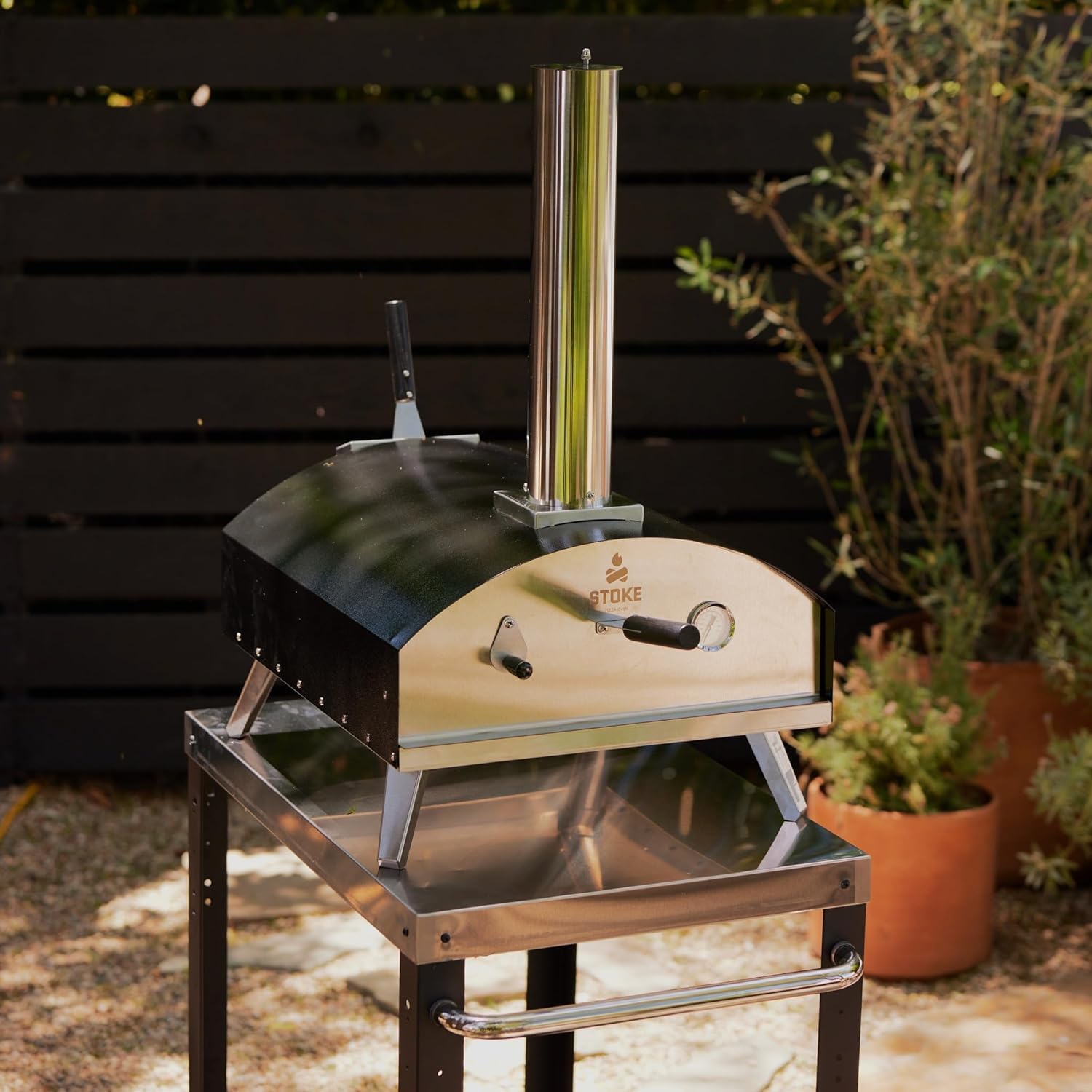
Choosing an outdoor wood fired pizza oven transforms patio gatherings by bringing authentic stone-baked crusts and smoky flavors right to your backyard. Whether you prefer a stationary setup with extensive workspace or a portable model for camping trips, these cookers reach extreme temperatures quickly. Evaluating fuel flexibility, physical dimensions, and included tools ensures you select a reliable unit for your specific outdoor cooking style and backyard layout.
Different models integrate distinct engineering choices, ranging from heavy-duty steel insulation to dual-fuel burners and automated stone rotation. Reviewing these structural differences allows you to balance heat retention against portability requirements. Understanding how each oven handles fuel loading, temperature management, and daily maintenance helps you make a confident investment that matches your entertaining frequency and culinary ambitions.
As an Amazon Associate, StacyLaughs earns from qualifying purchases.
Buying guide
Fuel Type Options
Choosing between wood-fired, pellet, and dual-fuel systems significantly shapes your outdoor cooking routine and flavor profile. Traditional wood and pellet fuels impart an authentic smoky taste and intense radiant heat that is essential for achieving classic blistered crusts. However, managing solid fuel requires ongoing attention, regular hopper refills, and active monitoring during extended outdoor baking sessions to keep temperatures stable.
Modern dual-fuel models combine traditional wood capability with propane gas burners, offering the ultimate flexibility to switch ignition sources without requiring any tools. Gas options provide precise temperature regulation and rapid preheating times, making them exceptionally convenient for quick weeknight meals when outdoor cooking time is limited. Evaluating your preferred cooking style helps determine which fuel configuration best fits your lifestyle.
Construction Materials and Insulation
The long-term durability and heat retention of an outdoor pizza oven depend heavily on its primary build materials and internal insulation quality. Heavy-gauge stainless steel, powder-coated carbon steel, and thick alloy metals provide robust exterior shells designed to withstand shifting outdoor weather conditions and frequent high-heat exposure over multiple seasons.
Models featuring high-density ceramic insulation maintain internal cooking temperatures far more efficiently and recover heat rapidly between successive pizza bakes. While these heavy-duty metal structures add considerable weight to the appliance, they prevent panel warping and ensure reliable structural stability even during windy backyard cooking environments. Selecting a well-insulated body guarantees consistent baking performance and long-lasting utility.
Cooking Surface Dimensions and Shape
The physical size and geometry of the internal pizza stone dictate what types of dishes and portion sizes you can prepare successfully in your backyard. Standard twelve-inch circular stones accommodate individual personal pizzas easily, whereas larger thirteen-inch square stones provide significantly more usable surface area for easily maneuvering food during the active bake.
Square cooking surfaces maximize the internal oven cavity layout, allowing you to bake wider flatbreads, artisan bread loaves, or roasting pans alongside standard circular pizzas. Assessing your typical batch sizes and recipe variety ensures that the interior stone measurements and overall cavity dimensions match your outdoor entertaining goals, family preferences, and regular cooking habits.
Portability and Weight Considerations
Balancing unit weight with portability is crucial depending on whether you plan to travel frequently or keep your oven stationary on a patio. Lighter portable models weigh under thirty-five pounds and frequently feature folding legs or compact frames, making them simple to pack into a vehicle trunk for camping trips, beach outings, or tailgating events.
Conversely, heavier freestanding units exceeding forty pounds offer superior structural stability, built-in storage shelves for firewood, and large wheels designed for easy patio mobility. Consider how frequently you intend to relocate or store the appliance before committing to a heavy stationary structure versus a lightweight, travel-friendly design that prioritizes convenient transport.
Included Accessories and Tools
Purchasing an outdoor pizza oven that includes essential accessories can save significant time and eliminate the need for separate supplementary purchases. Look for comprehensive kits that bundle protective waterproof covers, aluminum or wooden pizza peels, rolling cutting wheels, and specialized cleaning brushes designed to maintain your cooking equipment safely over years of use.
Furthermore, having heavy-duty heat-resistant gloves, baking trays, and dedicated pizza stones included right out of the box allows you to start cooking meals immediately upon delivery without extra shopping hassle. Evaluating the overall completeness of the accessory bundle helps determine the practical value, everyday convenience, and immediate operational readiness of your backyard kitchen setup.
Temperature Control and Airflow Management
Managing interior heat effectively is vital for achieving properly baked crusts and thoroughly cooked toppings without accidentally burning your food during busy backyard gatherings. Ovens equipped with accurate built-in thermometers allow you to monitor internal thermal levels continuously without constantly opening the access door and losing valuable cooking heat during the baking process.
Furthermore, adjustable chimneys, air outlet dampers, and automated stone rotation systems give you precise control over internal firepower, smoke circulation, and baking speed. These integrated mechanical control features help maintain steady cooking temperatures across various outdoor weather conditions and different fuel types for reliable culinary results every single time you cook.
Frequently asked questions
Can I use regular firewood in these outdoor wood fired pizza ovens?
Many wood-fired outdoor pizza ovens are specifically designed to accept wood pellets, hardwood chunks, or small split logs depending on the model specifications. Using appropriately sized wood pieces ensures proper airflow through the pellet hopper or combustion chamber and prevents blockages. It is important to select dry, seasoned hardwood to minimize excess smoke and achieve the high temperatures required for fast baking times. Always check the manufacturer guidelines regarding recommended fuel dimensions to ensure safe and efficient operation during your outdoor cooking sessions.
How do I clean and maintain the pizza stone?
Cleaning a pizza stone requires simple scraping of cooled food residue using a spatula or brush without applying soap or soaking the stone in water. Cordierite and ceramic pizza stones absorb liquids and can crack if exposed to harsh detergents or thermal shock during subsequent heating cycles. After scraping away debris, simply rinse the stone with plain water if necessary and allow it to dry completely before your next use. Preheating the oven to full temperature before baking naturally burns off remaining organic residue.
Are dual-fuel pizza ovens difficult to switch between gas and wood?
Dual-fuel outdoor pizza ovens are engineered for straightforward transitions between wood pellet and propane gas power sources, often requiring no specialized tools to swap configurations. Users can easily attach the gas burner unit when they want quick, precise temperature control for weeknight meals, or switch to wood pellets when they desire authentic smoke flavor during weekend gatherings. This flexibility lets you adapt your cooking method to available time and weather conditions without complicated mechanical modifications or extensive assembly steps.
Do automated rotating stone ovens require special care?
Ovens equipped with automatic rotating stone mechanisms generally operate reliably with minimal upkeep, though the rotating shaft may occasionally require routine maintenance. In rare instances where the stone does not spin smoothly, applying a few drops of cooking oil to the shaft allows the lubricant to seep down and restore free rotation. This simple maintenance step ensures the motor turns the stone evenly, preventing burnt spots on your pizzas and maintaining consistent baking performance throughout years of outdoor use.
What accessories should I look for when buying an outdoor pizza oven?
Finding a model that includes bundled accessories can significantly improve your immediate cooking experience and reduce extra shopping requirements. Essential additions include a durable waterproof protective cover to shield the exterior from weather, a pizza peel for safely sliding pies in and out of the hot cavity, a pizza cutter wheel, and heat-resistant gloves for safety. Ovens that also supply cleaning brushes, baking trays, or replacement carbon meshes offer comprehensive value right out of the box for backyard chefs.