Appliances · Buying Guide
Best Oval Banneton Proofing Basket Options for Artisan Sourdough Loaves
Baking artisan sourdough at home requires reliable tools to shape and support your dough during its final rise. Utilizing an oval banneton proofing basket provides the precise structure needed for crafting classic batard-style loaves with well-supported crusts. These specialized baskets help dough retain its form and manage moisture effectively before it transfers to a hot baking surface, ensuring consistent results across multiple batches of homemade bread.
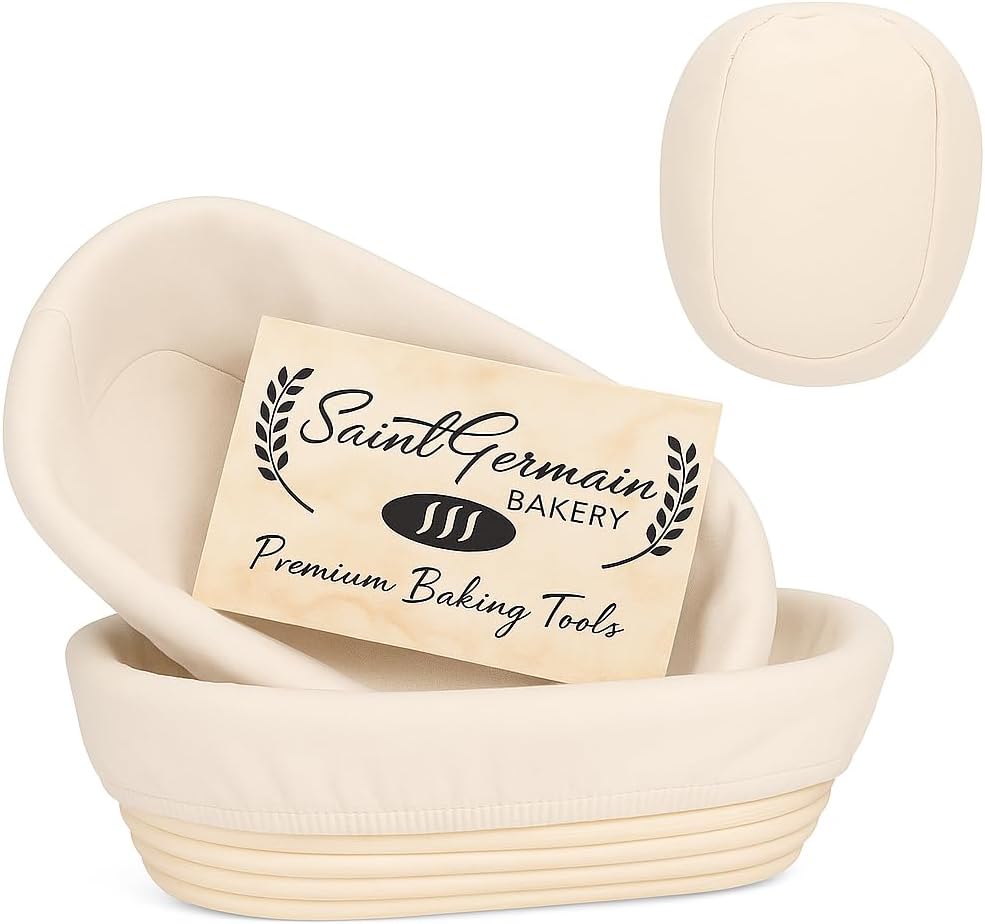
Choosing the right basket involves evaluating distinct material options, such as traditional natural rattan or flexible cotton rope, alongside practical accessories like fabric liners and fitted covers. Reviewing these specific physical attributes allows home bakers to select a proofing vessel that aligns with their typical batch sizes, dough handling preferences, and everyday kitchen storage constraints.
As an Amazon Associate, StacyLaughs earns from qualifying purchases.
Buying guide
Material Construction Choices
Choosing the right material for your proofing basket significantly impacts how moisture is managed during the dough rising process. Natural rattan options provide a traditional breathable surface that actively helps wick away excess moisture from the dough exterior. This natural wicking action supports the development of a crisp, well-textured crust on your finished sourdough batards every time you bake.
Alternatively, cotton rope baskets offer a softer, flexible structure that can be easily laundered and maintained between baking sessions. Evaluating whether you prefer rigid natural cane or woven cotton helps you achieve the desired crust texture, dough release, and cleaning routine tailored to your specific artisan baking style.
Fabric Liners and Covers
Using fabric liners inside your proofing basket provides an additional layer of security against sticky dough. Liners help prevent high-hydration doughs from gripping the basket crevices, ensuring a smooth release onto your baking stone or Dutch oven. Many sets include removable cotton or linen inserts that lift out cleanly after the final rise.
Fitted covers are another useful inclusion, particularly for bakers who prefer cold retarded fermentation in the refrigerator overnight. A snug double-layered cover shields the exposed dough surface from drying out or forming an unwanted crust while resting in chilling refrigerator environments.
Size and Dimensions
Selecting the appropriate length and depth ensures your shaped dough fits comfortably without spilling over the edges. Ten-inch oval models are widely available and accommodate standard medium to large artisan batards quite effectively. Measuring your typical batch weight against the listed physical dimensions prevents overcrowding during the final proofing stage.
Keep in mind that internal shaping dimensions differ slightly from overall external measurements due to wall thickness and basket slope. Ensuring the basket volume matches your typical flour quantity helps maintain proper loaf height and structural integrity before baking begins.
Cleaning and Maintenance
Proper upkeep extends the lifespan of your proofing basket and prevents unwanted mold or rancid flour buildup. Traditional rattan baskets generally require dry cleaning methods, such as allowing stuck dough to dry completely before brushing it away with a stiff brush. Avoiding excessive water immersion preserves the natural integrity of raw cane fibers.
Textile-based options like cotton rope baskets often feature machine-washable components that simplify deep cleaning routines. Following manufacturer guidance regarding washing temperatures and air drying ensures your fabric liners, covers, and baskets remain hygienic for regular baking.
Storage and Design
Kitchen storage availability heavily influences whether rigid rattan baskets or collapsible fabric alternatives suit your home best. Rigid natural baskets stack neatly or display openly as decorative tabletop bread serving bowls when not in use for proofing. Their solid form maintains shape permanently without requiring active assembly.
Collapsible cotton rope designs often feature integrated hanging loops and foldable structures for compact storage in tight spaces. Being able to hang or flatten your proofing gear saves valuable cabinet space, making them convenient for bakers managing limited kitchen storage capacity.
Batch Volume and Pack Counts
Evaluating how many loaves you bake at one time determines whether a single basket or a multi-pack set is necessary. Single baskets suit occasional weekend bakers who focus on one loaf, while multi-pack bundles of two or three vessels allow simultaneous proofing for larger household baking sessions.
Investing in a multi-basket set saves preparation time when working through multiple batches of sourdough dough. Matching your purchase quantity to your regular baking volume ensures a streamlined workflow from mixing bowl to oven.
Frequently asked questions
What is the purpose of using an oval banneton proofing basket?
An oval banneton proofing basket provides structural support to shaped sourdough dough during its final rise. The basket helps the dough maintain its elongated batard shape and manages surface moisture to promote a well-formed crust.
Should I use a cloth liner inside my rattan proofing basket?
Cloth liners are optional accessories that help prevent wet or high-hydration doughs from sticking to the basket surface. Using a liner also makes cleanup simpler by catching excess flour, though unlined rattan can be used directly when dusted sufficiently.
How do I clean a natural rattan banneton basket after baking?
Natural rattan baskets should generally be kept dry rather than submerged in water. After each use, shake out any excess flour. If dough sticks to the surface, allow it to dry completely before using a stiff brush to remove the residue.
Can I store my proofing basket with dough inside the refrigerator?
Many proofing baskets accommodate overnight refrigeration, particularly when paired with a breathable fabric cover. Covers help protect the exposed dough from drying out or forming a crust while resting in cold refrigerator environments during fermentation.
Are cotton rope proofing baskets machine washable?
Certain cotton rope proofing kits feature machine-washable components, including the baskets, liners, and covers. Always check specific manufacturer instructions regarding washing and drying to ensure proper maintenance and longevity of the fabric materials.