Appliances · Buying Guide
Best Oval Bread Proofing Basket Options for Artisan Sourdough
Baking artisan sourdough at home requires specific tools to help dough maintain its shape and develop a proper crust. An oval bread proofing basket provides the classic structural support needed for traditional batard loaves. These specialized shaping containers gently cradle the dough during its final rise, ensuring consistent, professional results in your home kitchen every time you bake.
Choosing the right proofing vessel involves evaluating materials like breathable natural rattan or soft cotton rope, alongside pack configurations and included cloth liners. Whether you need a single basket for casual weekend baking or a multi-pack set for larger batches, understanding these specific design elements helps you select equipment that seamlessly matches your daily baking routine.
As an Amazon Associate, StacyLaughs earns from qualifying purchases.
Buying guide
Material Composition
Material selection directly impacts how your oval bread proofing basket handles moisture and shapes dough. Traditional options utilize natural rattan, which naturally wicks water away from the outer skin of the loaf. This process helps form a crisp, textured crust during baking. Rattan requires careful dry brushing for ongoing maintenance.
Alternatively, modern cotton rope constructions offer a softer, flexible alternative. These fabric baskets often feature foldable designs and machine-washable components. While they provide excellent versatility for crowded kitchens and refrigerated proofing, they interact with dough moisture differently than wood. Evaluating your crust preferences and cleaning habits ensures you choose the ideal material for your kitchen.
Sizing and Capacity
Choosing the correct dimensions ensures your oval bread proofing basket accommodates your preferred dough quantities. A standard ten-inch length typically supports medium to large batard loaves, fitting standard home oven parameters. Consider whether you bake single loaves for small households or require multiple baskets to handle larger baking volumes simultaneously during weekend preparation sessions.
Dimensions also dictate storage requirements inside your cabinets. Rigid wooden frames maintain a fixed footprint, whereas flexible materials offer space-saving alternatives. Matching the physical basket size to your typical recipe batch size prevents overcrowding and ensures your shaped sourdough retains proper structural integrity throughout the final rise.
Liners and Accessories
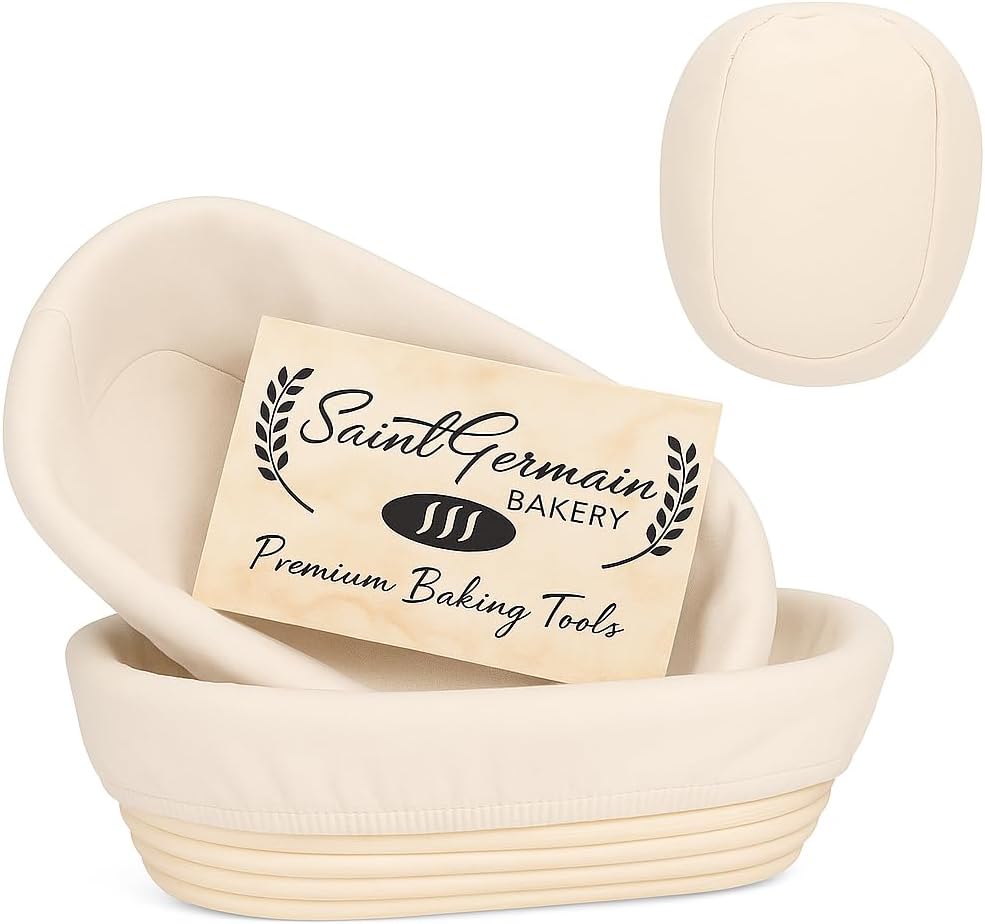
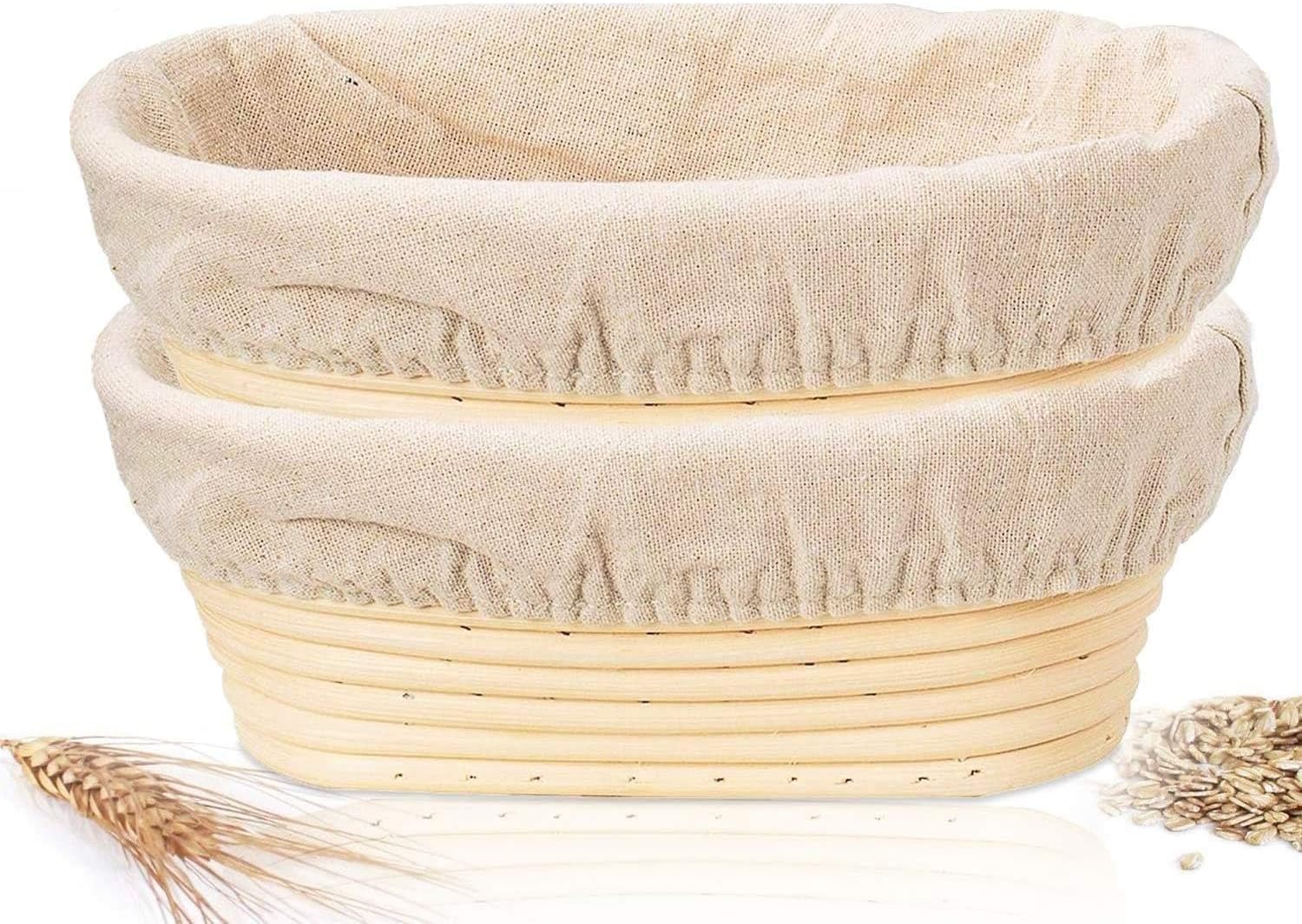
Many proofing baskets come equipped with cloth liners and covers to assist with dough release and moisture management. Linen liners provide a smooth barrier that prevents wet dough from sticking to the basket weave. This is especially helpful when working with high-hydration sourdough recipes that tend to cling to raw rattan surfaces.
Additional covers are particularly useful for overnight cold retardation in the refrigerator, protecting the dough from drying out. While extra accessories simplify cleanup and handling, they also increase the volume of laundry required after baking. Reviewing included components helps you determine if you need basic baskets or fully accessorized kits.
Cleaning and Maintenance
Proper maintenance extends the lifespan of your oval bread proofing basket and prevents mold or rancid flour buildup. Traditional rattan baskets generally require simple dry brushing after flour dries completely. Avoid submerging wooden baskets in water, as excess moisture can warp the natural fibers or damage the tight structural weave over time.
Fabric alternatives like cotton rope offer the added convenience of machine washing. This allows for straightforward cleaning when dough accidentally penetrates the material. Always follow manufacturer guidelines for drying and storage, keeping your proofing tools in a cool, dry environment to maintain optimal hygiene for daily baking tasks.
Storage and Flexibility
Kitchen storage space heavily influences which proofing basket style suits your home. Rigid wooden baskets maintain a permanent shape, requiring dedicated cabinet or shelf space when not in use. If your kitchen storage is limited, rigid frames demand careful planning to accommodate their fixed dimensions alongside other bakeware items.
In contrast, flexible fabric baskets often include foldable designs and integrated hanging loops. These features allow you to hang them on hooks or collapse them flat for compact storage. Assessing your available kitchen space helps you balance the aesthetic appeal of traditional rigid baskets against the practical space-saving benefits of flexible alternatives.
Batch Requirements
Determining how many loaves you intend to bake at once dictates your ideal purchase configuration. Single-basket options suit casual bakers who prepare one loaf per week. Multi-pack sets provide the necessary equipment to ferment several batards simultaneously, streamlining your schedule if you regularly supply bread for larger family gatherings.
Investing in multi-pack sets also ensures consistency across your loaves, giving uniform shape and crust development to every batch. However, managing multiple baskets requires more storage room and cleaning effort. Weighing your frequency of use against available kitchen capacity ensures you select a pack count that matches your lifestyle.
Frequently asked questions
How do I prevent dough from sticking to my oval bread proofing basket?
To prevent dough from sticking, thoroughly dust the interior of your proofing basket with rice flour or a blend of all-purpose flour before placing your shaped dough inside. Rice flour works exceptionally well because it contains no gluten and resists absorption into wet dough surfaces. Alternatively, you can use the included cloth linen liners provided with many basket sets. These fabric liners create a smooth physical barrier, ensuring your dough releases cleanly onto your baking surface without tearing.
Can I wash my natural rattan proofing basket with water?
Traditional natural rattan proofing baskets should generally not be submerged in water or washed in a dishwasher. Excessive moisture can warp the natural wood fibers, weaken the structural weave, or trap humidity that encourages mold growth. Instead, allow any stuck dough to dry completely inside the basket, then use a stiff dry brush to whisk away residual flour and debris. If your basket includes removable cloth liners or covers, those fabric components can typically be laundered according to manufacturer specifications.
Why should I choose an oval shape over a round proofing basket?
Choosing an oval proofing basket is ideal if you prefer baking traditional batard-style loaves rather than round boules. The elongated shape supports the dough during its final rise, guiding it into the classic oval profile commonly associated with French bread and artisan sourdough baguettes. This geometry fits neatly into standard oval Dutch ovens or onto oblong baking stones. Selecting the shape depends entirely on your preferred bread aesthetics, slicing preferences, and the specific baking vessels you use in your kitchen.
How do I store my proofing baskets when they are not in use?
Proper storage depends on the material construction of your proofing baskets. Rigid natural rattan baskets require a cool, dry, and well-ventilated environment to prevent moisture accumulation. Store them upright or stacked carefully in a dedicated cabinet where air can circulate. For flexible cotton rope baskets that feature foldable designs or integrated hanging loops, you can collapse them flat or hang them directly on kitchen hooks. Always ensure baskets are completely dry before storing them to maintain long-term durability.
Are cloth liners necessary for successful bread proofing?
Cloth liners are not strictly required for bread proofing, but they offer distinct advantages depending on your recipe and preferences. Without a liner, bare rattan leaves decorative spiral flour rings directly on the crust of your baked loaf. However, high-hydration sourdough doughs can sometimes stick to exposed wooden grooves. Using a linen liner provides a smooth, non-stick surface that simplifies dough release and makes cleanup effortless. Many bakers alternate between using bare rattan and fabric liners based on their daily baking needs.