Appliances · Buying Guide
Best Oven Temperature Setup for Crispy Homemade Pizza Dough
Achieving the ideal oven temperature for pizza dough requires the right balance of thermal mass and accurate heat tracking. Standard home ovens often struggle to match wood-fired brick ovens, but incorporating heavy-duty conductive steel plates changes how dough bakes. When paired with reliable internal thermometers, home cooks can consistently hit the high heat needed for restaurant-style crusts without guessing.
Selecting gear for high-temperature baking involves understanding dimensions, weight, and temperature ranges. Whether you are upgrading an existing oven setup with a pre-seasoned baking plate or adding mechanical dial gauges to verify ambient heat, preparation dictates results. Examining available steel sizes and NSF-certified monitoring tools helps streamline your baking process for better sourdough, flatbreads, and pies.
As an Amazon Associate, StacyLaughs earns from qualifying purchases.
Buying guide
Steel Thickness and Heat Retention
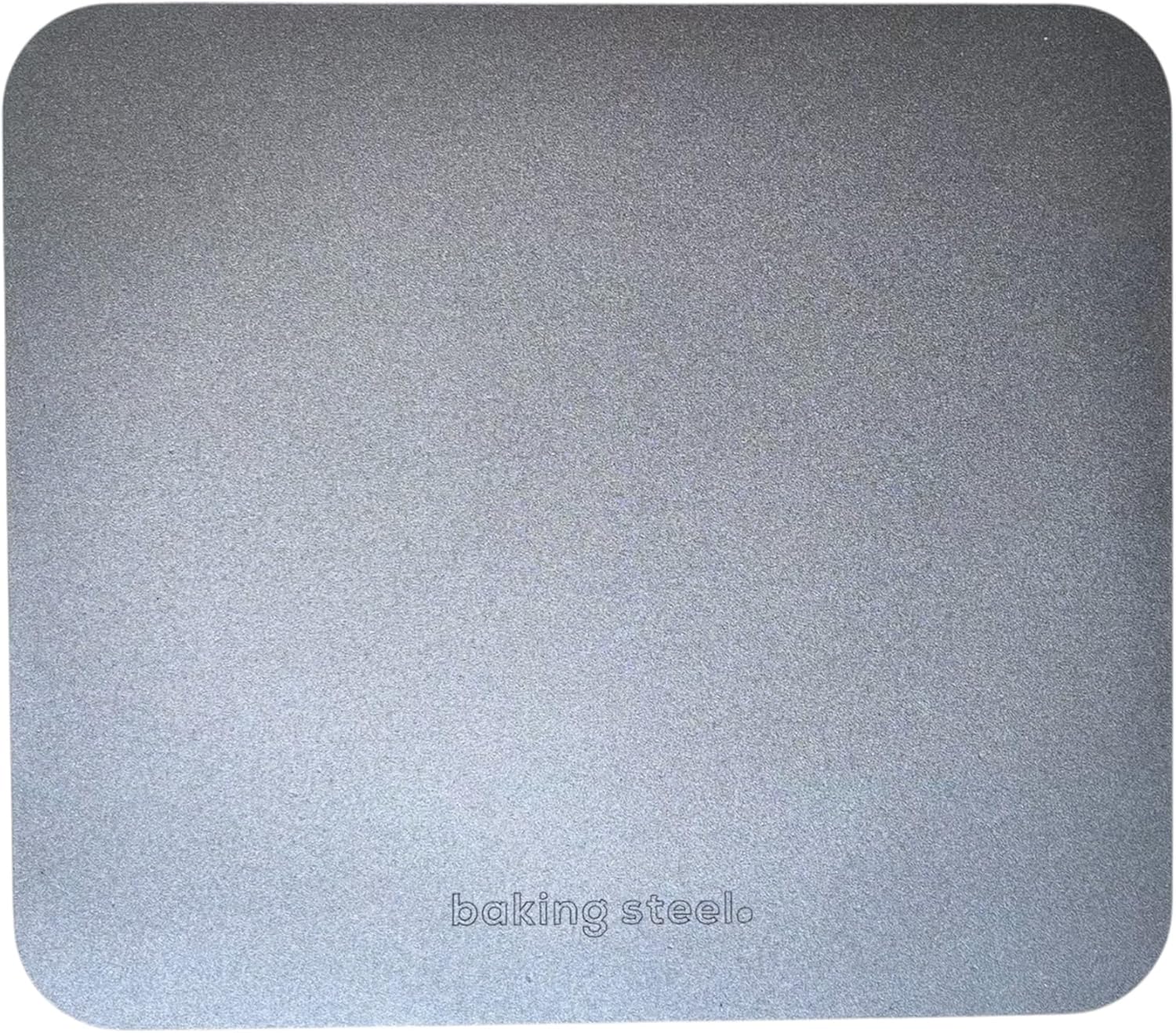
Selecting the proper steel thickness directly influences how your pizza dough bakes. A quarter-inch thickness provides an optimal balance between fast preheating times and steady heat storage. Thicker plates hold more energy for baking multiple pies consecutively, but they require extended preheat periods. Conversely, thinner versions heat up quickly but lose thermal energy faster during use.
Balancing your baking frequency with your oven capabilities helps determine the ideal plate dimensions. Heavy steel versions demand sturdy racks and careful handling during insertion and removal. Consider your typical meal preparation schedule before committing to a heavier model. Proper thickness ensures your crust browns evenly without burning the toppings prematurely.
Pre-Seasoned Versus Raw Steel Surfaces
Steel plates arrive from manufacturers in different surface conditions that affect your initial workflow. Pre-seasoned options allow you to start baking immediately without spending an hour applying oil and baking the metal. This factory preparation saves time for cooks eager to test recipes right away. However, these surfaces still require ongoing maintenance after each baking session.
Raw or shot-blasted steel plates require an initial seasoning step before their first use. Owners must wash the metal, apply a thin oil layer, and bake it to establish a protective base layer. Over time, both types develop a natural non-stick patina that improves performance. Choosing between pre-treated and raw steel depends entirely on your preference for initial preparation tasks.
Oven Dimension and Rack Compatibility
Measuring your oven interior before purchasing a baking steel prevents frustrating sizing conflicts. Standard full-size ovens accommodate large square or rectangular plates easily, but compact models require smaller dimensions. Leaving adequate space around the edges of the steel allows proper hot air circulation inside the cavity. Poor airflow can disrupt baking temperatures and cause uneven crust browning.
Weight distribution is another vital factor when placing heavy steel plates on standard wire racks. A fifteen-pound or heavier slab requires stable support to prevent sagging during high-temperature preheating. Checking your oven rack sturdiness ensures safe operation when loading heavy sourdough loaves or pizzas. Careful planning guarantees a seamless fit within your kitchen setup.
Thermometer Accuracy and Temperature Ranges
Monitoring actual internal oven temperatures eliminates guesswork when baking artisan pizza dough. Many home ovens experience thermostat calibration drift over time, heating differently than their digital dials indicate. Mechanical dial thermometers provide a reliable baseline by tracking ambient heat directly inside the cooking cavity. Placing a dedicated gauge near your baking surface ensures true temperature verification.
Temperature ranges vary significantly among monitoring tools, with standard models peaking around six hundred degrees. High-heat culinary tasks require commercial-grade instruments capable of tracking up to seven hundred fifty degrees Fahrenheit safely. Selecting a thermometer with clear numerical displays and heat-resistant glass lenses ensures effortless reading through smoky oven doors. Match your thermometer range to your specific baking goals.
Maintenance and Cleaning Guidelines
Maintaining baking steel surfaces requires simple hand-washing routines rather than harsh dishwashing detergents. Most manufacturers recommend using warm water and gentle wiping to remove leftover food residue. Avoiding soap helps preserve the developing non-stick patina that builds naturally with regular use. Proper drying immediately after washing prevents unwanted moisture accumulation and subsequent surface oxidation.
Thermometers and monitoring tools demand equally careful maintenance to ensure long-term accuracy. Sealed stainless steel dials can be wiped clean with a damp cloth after cooling down completely. Never submerge glass-faced analog dials in standing water to protect internal mechanical components. Following manufacturer cleaning instructions extends the lifespan of both your baking steel and monitoring equipment.
Versatility Beyond Pizza Baking
High-conductivity baking steel plates excel at tasks extending far beyond standard pizza preparation. Their flat surfaces function exceptionally well for baking artisanal sourdough bread, baguettes, and flatbreads. When transferred to outdoor grills or stovetops, these versatile metal plates act as durable griddles. They handle smash burgers, roasted vegetables, and breakfast items with equal efficiency.
Maximizing your investment means utilizing the steel across various cooking environments and heating methods. Low-carbon steel plates withstand direct flames on barbecues without warping or cracking like ceramic alternatives. This multi-surface capability makes heavy steel plates valuable year-round cooking tools. Evaluating your culinary preferences helps determine how often you will leverage these versatile baking surfaces.
Frequently asked questions
How long should I preheat a baking steel for pizza dough?
Preheating your baking steel thoroughly is essential for achieving a crispy crust in under ten minutes. Most manufacturers recommend placing the steel inside the oven and heating it to five hundred degrees Fahrenheit for forty-five to sixty minutes before baking. This extended preheating window allows the heavy metal slab to absorb and store intense thermal energy. Skipping this crucial waiting period prevents the dough from bottom-browning correctly, resulting in a pale and undercooked crust. Always allow adequate time for the entire steel mass to reach peak temperature.
Can I use a baking steel on an outdoor grill?
Many low-carbon baking steel plates are designed to withstand direct flames on outdoor gas or charcoal grills. Their durable construction allows them to function as flat-top griddles for cooking smash burgers, vegetables, and flatbreads alongside pizzas. Unlike ceramic stones that can crack from thermal shock under intense localized grill heat, quality steel plates handle direct flame without structural damage. Always verify your specific product guidelines before exposing the metal to open flames, and ensure your grill grates can support the weight of the plate safely.
Why do I need an oven thermometer if my appliance has a digital display?
Built-in oven displays often show the ambient temperature set point rather than the actual heat level inside the cooking cavity. Internal thermostats frequently drift over time, causing ovens to run significantly hotter or colder than indicated. Placing a dedicated mechanical dial thermometer directly on your oven rack removes this uncertainty. It provides a true, real-time reading of the baking environment, which is vital for delicate sourdough fermentation, precise crust setting, and successful high-temperature pizza baking without guesswork or ruined meals.
How do I clean and maintain a baking steel after use?
Cleaning a baking steel is straightforward and avoids harsh soaps or automatic dishwashers. Once the steel has cooled down completely, use warm water and a gentle sponge or scraper to remove any stuck-on food residue. Avoid soaking the metal for extended periods to prevent rust. After washing, dry the surface thoroughly with a towel and apply a very thin coat of cooking oil to protect the seasoning. This routine maintenance helps build a durable, natural non-stick patina that improves baking performance with every single use.
What thickness of baking steel is best for home ovens?
A quarter-inch thickness is widely considered the most versatile choice for home cooks and standard kitchen ovens. This specific dimension provides an optimal balance between fast preheating times and sufficient heat retention. Thinner plates heat up more quickly but may struggle to bake multiple pizzas back-to-back without losing temperature. Conversely, excessively thick plates demand very long preheat cycles and add considerable weight to your oven racks. For most household baking needs, a quarter-inch steel plate offers reliable performance without unnecessary handling challenges.