Appliances · Buying Guide
Best Overnight Sour Dough Bread Equipment for Home Bakers
Baking overnight sour dough bread requires specialized tools to manage long fermentation cycles, precise starter maintenance, and expert dough shaping efficiently. Home bakers frequently seek reliable equipment that simplifies the daily process of feeding starters, mixing flours, and forming structured loaves for the morning oven load. Achieving predictable results relies heavily on maintaining proper ambient temperatures and using correctly sized proofing vessels during the overnight rest.
Whether you are maintaining a bubbly culture in a controlled environment overnight or shaping high-hydration boules using traditional rattan baskets, having the proper baking supplies improves consistency. This overview examines several curated kits and individual accessories designed to support your artisan bread journey without unnecessary setup complications, helping you select the right tools for your kitchen workflow.
As an Amazon Associate, StacyLaughs earns from qualifying purchases.
Buying guide
Selecting Appropriate Proofing Baskets
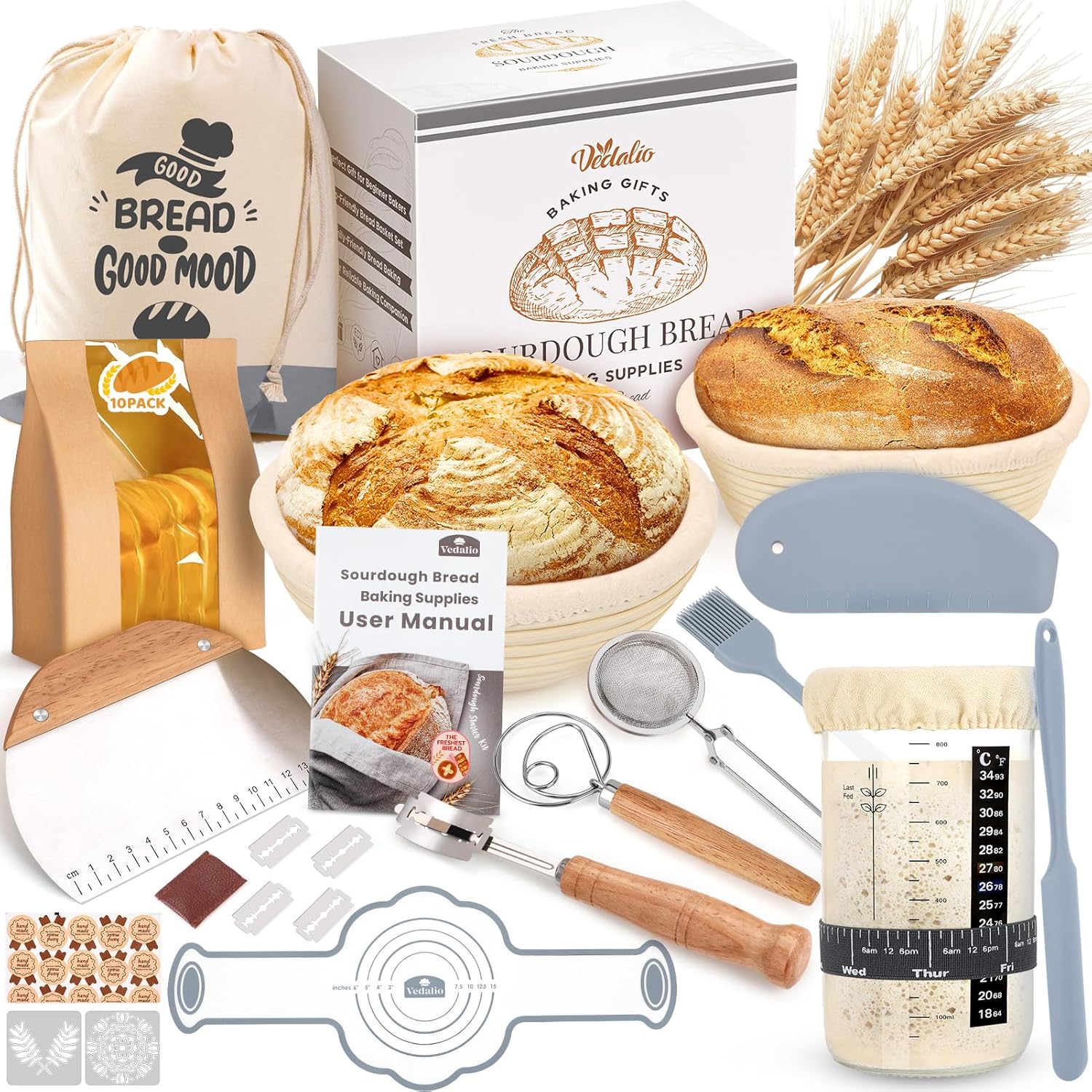
Proofing baskets play a fundamental role in shaping artisanal bread during its final rise. Traditional rattan bannetons offer natural breathability, allowing moisture to escape while imparting classic spiral patterns onto the dough surface. When evaluating options, consider whether you prefer rigid wooden textures or flexible silicone alternatives that release sticky dough with minimal effort. Both styles help maintain structural tension, ensuring your loaves hold their form rather than spreading flat before entering the hot oven.
Size and shape also dictate your final loaf presentation. Round baskets accommodate compact boules, whereas oval bannetons support elongated batards suited for sandwich slices. Matching the basket dimensions to your typical batch size prevents structural collapse during transfer. Always review material care guidelines, as natural wood products require thorough drying after use, while synthetic options often withstand more flexible cleaning routines without absorbing lingering moisture.
Managing Fermentation Temperature Control
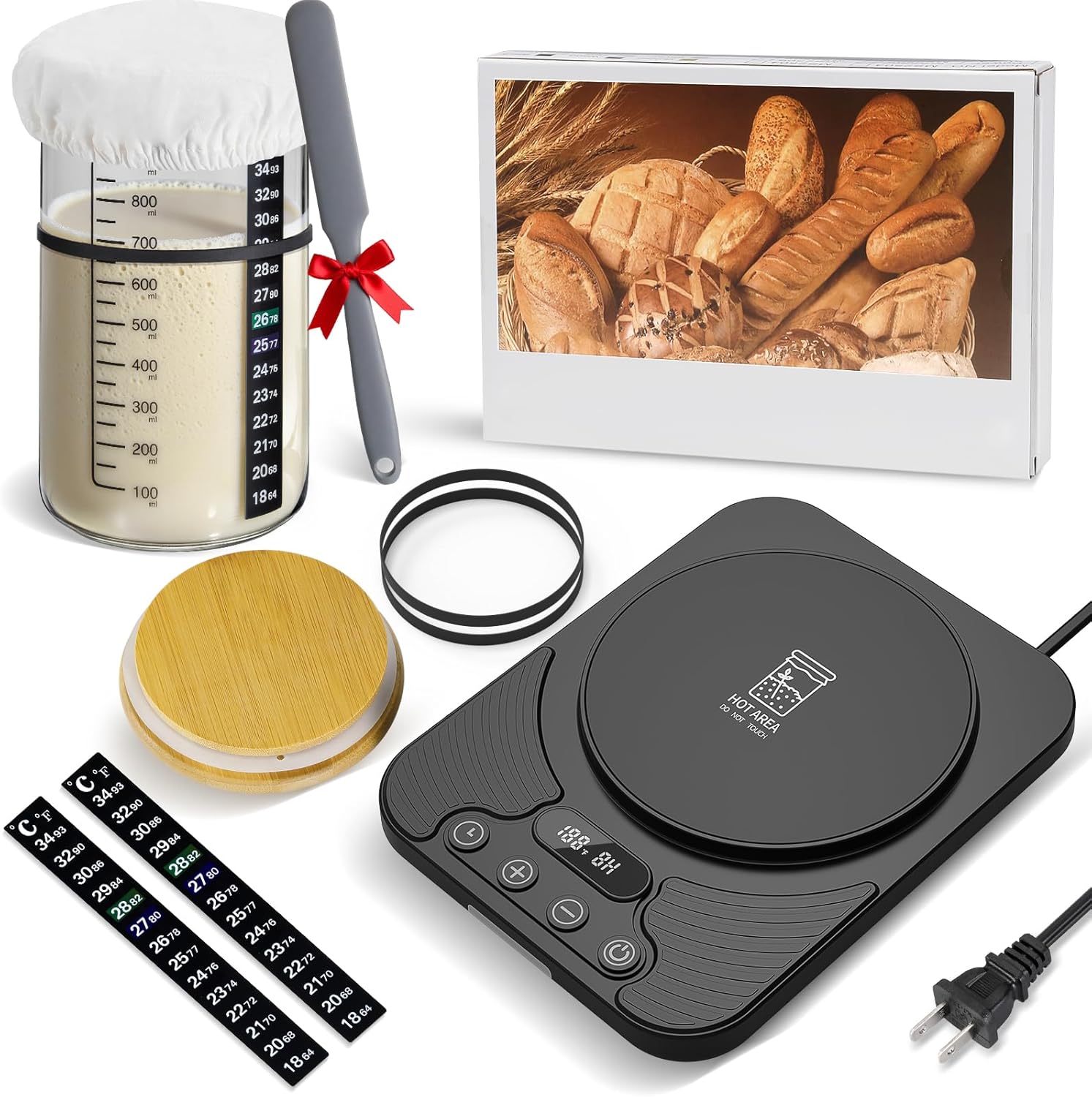
Yeast activity depends heavily on ambient kitchen temperatures. In cooler environments, sourdough fermentation slows down significantly, resulting in dense textures or extended rise times. Specialized thermal heating pads and incubation systems maintain steady microclimates, keeping your starter active within optimal temperature ranges. These devices eliminate the guesswork of finding warm spots around the house, ensuring reliable yeast development regardless of seasonal weather shifts.
When choosing a temperature-regulated system, examine its footprint and timer capabilities. Automatic shut-off features prevent overheating during long overnight fermentation cycles. A clear digital display lets you monitor exact degrees Fahrenheit or Celsius without opening enclosures. While these units require electrical proximity, they offer dependable consistency for bakers who want predictable rising schedules without constantly checking progress throughout the night.
Choosing the Right Starter Jar
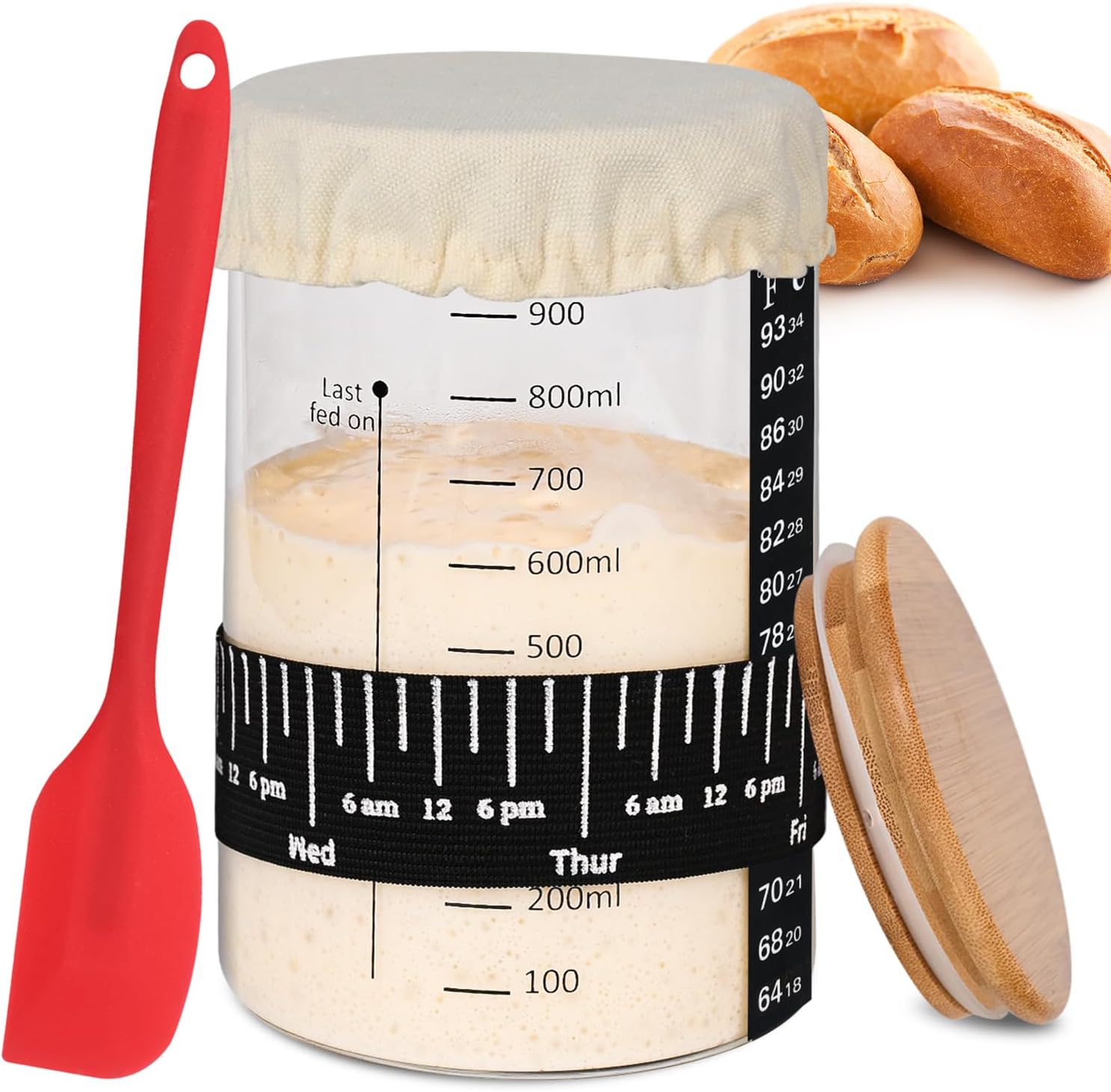
A dedicated starter container simplifies daily feeding routines and keeps your yeast culture healthy. Wide-mouth glass jars allow easy addition of flour and water while accommodating silicone spatulas for thorough mixing. Transparent glass walls let you observe bubble formation and volume expansion clearly at a glance. Look for containers that feature permanent capacity markings, which help you measure exact ratios during daily refreshments without needing separate measuring cups.
Tracking mechanisms attached to the jar improve management accuracy. Elastic feeding bands marked with days and hours eliminate confusion regarding when the culture was last refreshed and how high it has risen. Breathable cloth covers or loose lids allow gases to escape safely while preventing contaminants from entering. Selecting a jar with an appropriate volume ensures you can maintain enough starter for your baking volume without overflowing.
Essential Mixing and Scoring Tools
Mixing sticky sourdough ingredients benefits greatly from specialized utensils like ergonomic dough whisks. Traditional metal spoons often struggle with high-hydration doughs, whereas open-wire whisks blend flour and water smoothly without trapping dense clumps. Bowl scrapers and stainless steel bench knives help you handle, fold, and portion dough cleanly on work surfaces. Investing in these basic utensils reduces hand fatigue and keeps your workspace orderly during messy mixing phases.
Scoring your shaped loaf before baking requires a sharp bread lame and reliable replacement blades. Controlled cuts dictate how the bread expands in the oven, creating an intentional ear and decorative patterns. Protective blade covers ensure safe handling when stored in kitchen drawers. Combining a comfortable handle with precision blades allows you to execute clean, confident strokes across delicate dough skins without tearing the outer gluten structure.
Evaluating Complete Baking Kits Versus Individual Tools
Purchasing an all-in-one sourdough kit offers significant convenience by bundling every required accessory into a single box. Beginners benefit immensely from these comprehensive packages because they eliminate the need to source baskets, jars, scrapers, and slings separately. This approach ensures compatibility across items and provides an accessible entry point for home bakers wanting to start baking immediately without extensive research or multiple shopping trips.
However, bundled kits also demand substantial storage capacity in standard kitchen cabinets. If you already own certain baking implements, purchasing a complete set might result in redundant duplicate tools. Experienced bakers often prefer selecting individual components tailored strictly to their specific workflow preferences. Weighing your current kitchen inventory against the contents of a package helps determine whether a comprehensive kit or targeted individual purchases represent the better choice.
Understanding Material Care and Maintenance
Different baking materials demand distinct cleaning procedures to ensure long-term durability. Natural rattan proofing baskets require dry brushing to remove residual flour rather than heavy soaking, which can weaken the natural wood fibers. Storing them in well-ventilated areas prevents moisture accumulation and mold growth. Conversely, silicone components and glass jars generally withstand straightforward hand washing or dishwasher cycles, offering low-maintenance convenience for daily upkeep.
Metal tools like stainless steel scrapers and bread lame handles need prompt drying after cleaning to prevent spotting or corrosion. Wooden lids and handles benefit from occasional conditioning to maintain their finish. Reviewing manufacturer care instructions before starting your baking routine protects your investment and ensures your equipment remains hygienic and functional across countless baking sessions, keeping your sourdough preparation smooth and reliable year after year.
Frequently asked questions
Why use a proofing basket for overnight sourdough bread?
Proofing baskets provide essential structural support while your shaped dough undergoes its final overnight rise. Without external containment, high-hydration sourdough tends to flatten out rather than rising upward. Baskets made from natural rattan or silicone maintain tension around the dough, helping it retain a well-defined shape. Furthermore, breathable rattan materials allow excess moisture to evaporate evenly, contributing to a better crust texture. Using a lined basket also prevents the sticky dough from adhering to the surface, ensuring a clean release when you invert the loaf into your hot baking vessel.
How does a temperature-controlled starter jar warmer help bakers?
A temperature-controlled starter warmer creates a stable microclimate that keeps yeast active, especially in cold kitchens or during winter months. Wild yeast and beneficial bacteria thrive best within specific temperature zones, and sluggish room temperatures can cause fermentation to stall entirely. By maintaining consistent warmth, these heating mats accelerate the rising process so your starter doubles reliably. Features like built-in timers and adjustable thermostats eliminate the need for overnight monitoring, ensuring your sourdough starter reaches peak activity and is ready for mixing right when you wake up in the morning.
What is the purpose of feeding tracking bands on starter jars?
Feeding tracking bands provide a simple yet effective way to monitor your sourdough culture without guessing. These elastic bands typically feature markings for days of the week and specific hours, allowing you to indicate exactly when the jar was last fed. By sliding the band vertically to match the initial starting level of the dough and adjusting it sideways for the feeding time, you can easily observe how much the culture has expanded. This visual record helps maintain a consistent feeding schedule and ensures you use your starter at its peak fermentation stage.
Are all-in-one sourdough kits better for beginners?
All-in-one sourdough kits are particularly beneficial for beginners because they eliminate the guesswork of sourcing individual baking accessories separately. These comprehensive packages typically include proofing baskets, starter jars, scoring lames, scrapers, and mixing whisks in a single box. This ensures that a novice baker has every necessary tool on hand from day one without needing to research individual items. While experienced bakers with established preferences might prefer curating individual tools, beginners appreciate the convenience, cost efficiency, and straightforward guidance provided by a unified starter kit.
How should natural rattan proofing baskets be cleaned and maintained?
Natural rattan proofing baskets require gentle care to maintain their structural integrity over time. Instead of submerging them in water or putting them in a dishwasher, you should let excess flour dry completely and then gently brush it away using a dry bristle brush. Storing the baskets in a well-ventilated space prevents moisture retention and mold growth. If you use the included linen liners, wash those according to fabric guidelines. Proper drying and minimal moisture exposure ensure your wooden proofing baskets remain durable and ready for countless baking sessions.