Appliances · Buying Guide
Best Alternatives to Pampered Chef Mixing Bowls for Your Kitchen
Finding reliable kitchen prep gear often leads home cooks to look closely at versatile options similar to pampered chef mixing bowls. Selecting the ideal set depends heavily on your daily culinary routines, whether you are whipping up heavy cake batters, marinating meats, or tossing delicate green salads for family dinners.
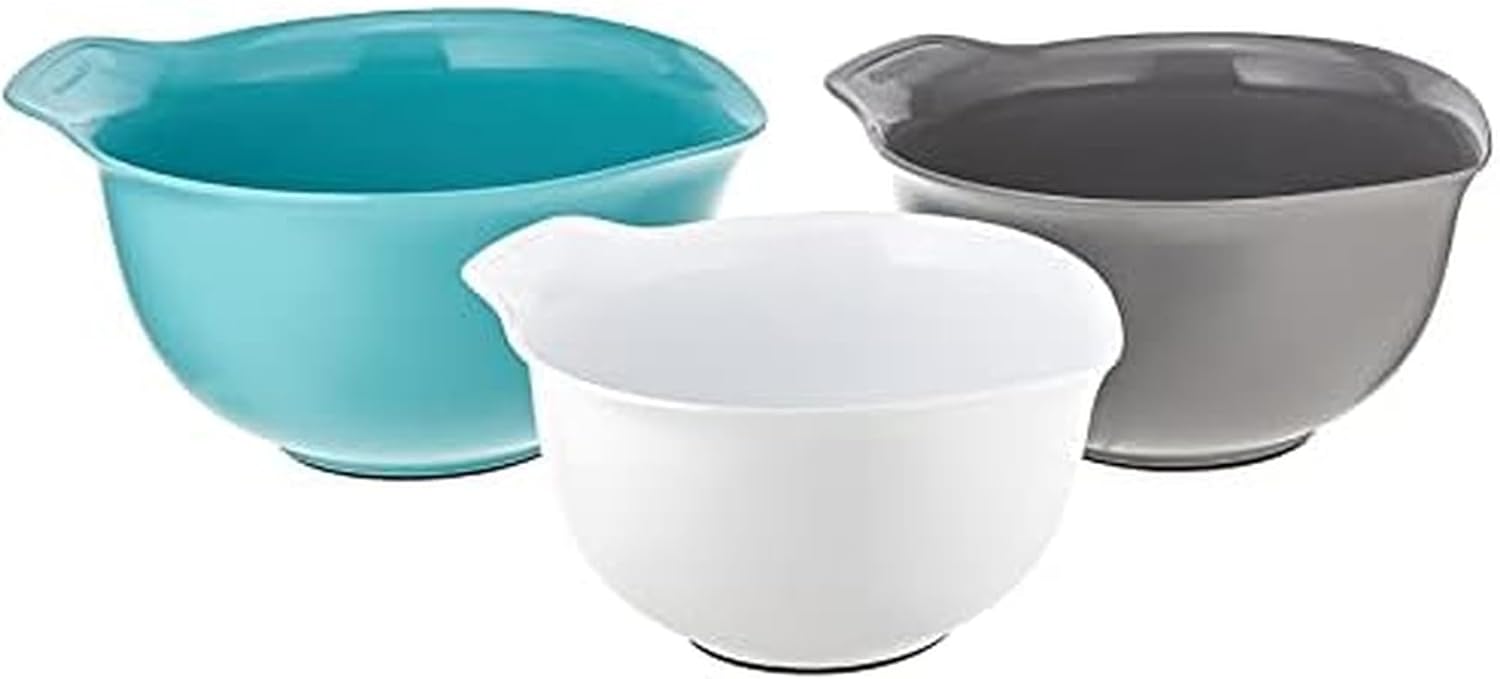
Different bowl materials bring distinct performance advantages directly to your kitchen counter space. Stainless steel offers lightweight durability and easy cleaning, glass provides a stable non-reactive surface for smooth batter pouring, and structured plastics offer convenient built-in spouts for mess-free transfers. Reviewing these specific material attributes helps you choose practical prep vessels tailored to your exact cooking and baking style.
As an Amazon Associate, StacyLaughs earns from qualifying purchases.
Buying guide
Material Selection and Durability
Choosing the right mixing bowl material heavily influences your daily kitchen experience. Stainless steel provides exceptional durability, resisting rust while remaining lightweight for easy handling. Glass offers a sturdy, non-reactive surface that never absorbs food odors or stains, making it ideal for acidic ingredients. Plastic delivers ultra-lightweight utility, though it may show wear over time. Evaluating how you prep food helps match the material to your cooking style.
Consider how each material performs during intensive cooking tasks. Metal bowls handle rapid whisking without cracking, while glass bowls provide stability on countertops. Plastic options often incorporate helpful features like molded pour spouts but lack the resilience of steel. Balancing weight, cleaning requirements, and structural longevity ensures your chosen mixing vessels support your cooking habits for years without demanding premature replacement or frustrating maintenance routines.
Capacity Ranges and Graduated Sizes
Having a diverse range of bowl capacities ensures you always have an appropriately sized vessel for any recipe. Smaller bowls ranging from one to two quarts work wonderfully for whisking eggs, beating dressings, or holding chopped herbs. Mid-sized options accommodate standard baking batters, while large bowls exceeding four quarts easily handle family-sized salads, bread doughs, or whole heads of lettuce without risking messy overflow onto your countertops.
Purchasing a graduated multi-size set eliminates guesswork and streamlines complex cooking preparation. When bowls scale proportionally, they accommodate everything from small single portions to massive multi-step baking projects. Evaluating your household cooking volume prevents you from cluttering cabinets with oversized bowls or struggling to mix ingredients in containers that are too cramped. Selecting comprehensive sets guarantees seamless transitions between different culinary tasks throughout the day.
Counter Stability and Nonslip Bases
Maintaining bowl stability during vigorous mixing prevents kitchen messes and reduces physical strain. Bowls equipped with silicone or rubber non-slip bases stay firmly anchored to your work surface even when you mix dense doughs or whisk rapidly. This added grip eliminates the need to hold the vessel with one hand, freeing both hands for more efficient ingredient incorporation, stirring, or electric hand-mixer operation during demanding baking sessions.
Countertop protection is another practical benefit offered by rubberized or silicone bowl bases. Hard metal or glass bottoms can scratch delicate granite, marble, or laminate surfaces when shifted around during prep work. A protective non-slip layer cushions the bottom, preventing scuffs while keeping the container dead steady. Choosing bowls with stable bases enhances both safety and surface preservation in busy home kitchens.
Storage Solutions and Nesting Design
Kitchen cabinet space is often at a premium, making efficient storage a vital consideration when selecting prep bowls. Nesting designs allow smaller bowls to fit neatly inside larger ones, collapsing an entire multi-piece set into a single compact footprint. This space-saving arrangement keeps your cupboards organized and prevents scattered lids or mismatched containers from creating clutter during everyday kitchen cleanup and retrieval routines.
Evaluating how nesting bowls interact with accompanying lids helps optimize your storage strategy. Some sets allow lids to stack or store flat within the nested stack, while others require separate storage space for bulky covers. Paying attention to overall dimensional profiles ensures your new mixing bowls slide effortlessly into existing cabinet shelves without forcing awkward reorganizations of your cookware collection.
Cleaning Requirements and Maintenance
Understanding manufacturer maintenance guidelines keeps your mixing bowls hygienic and extends their functional lifespan. Most stainless steel and glass bowls are fully dishwasher safe, allowing for effortless cleanup after messy baking projects. However, specialized components like airtight plastic lids frequently demand manual hand washing to prevent heat warping from automated dishwasher cycles. Following these care instructions preserves proper lid seals and material integrity.
Material-specific upkeep also prevents long-term cosmetic or structural deterioration. Stainless steel bowls benefit from thorough drying after washing to prevent water spotting, while glass surfaces resist staining without requiring special polishing. Reviewing cleaning demands before purchasing helps ensure your preferred mixing bowls fit smoothly into your post-meal routine without creating unexpected maintenance chores or accelerated wear over years of frequent use.
Specialized Features and Pouring Aids
Specialized features can significantly streamline your food preparation workflow and reduce kitchen clutter. Built-in pour spouts guide liquid batters smoothly into pans, minimizing accidental spills across your countertops. Etched interior measurements eliminate the need for separate measuring cups by letting you gauge ingredients directly inside the bowl. Additionally, integrated grater attachments or specialized lid inserts let you slice and blend ingredients without extra tools.
Assessing which extra features genuinely match your cooking habits helps avoid paying for unnecessary gadgets. If you frequently bake cakes, a pour spout is invaluable; if you prepare large salads, wide openings and grater attachments offer greater utility. Matching these functional design elements to your favorite recipes ensures your mixing bowl set provides maximum practical value during daily meal creation.
Frequently asked questions
Are stainless steel mixing bowls safe to run through the dishwasher?
Yes, stainless steel mixing bowls are generally designed to be fully dishwasher safe, making post-cooking cleanup straightforward and efficient. However, you should always check specific manufacturer guidelines, especially if your bowls feature bonded silicone bases or painted exteriors. Furthermore, accompanying plastic lids often require manual hand washing in warm soapy water because the intense heat cycles inside standard dishwashers can warp flexible plastic materials and ruin their airtight seals. Proper maintenance ensures both your metal bowls and their accessories remain functional for years.
What are the advantages of choosing glass mixing bowls over metal?
Glass mixing bowls offer a completely non-reactive surface that will never absorb food odors, flavors, or stubborn stains, regardless of what ingredients you process. This makes glass ideal for mixing acidic foods like tomato-based sauces or citrus marinades. Additionally, glass bowls provide substantial physical weight, which helps keep the vessel exceptionally stable on countertops during stirring tasks. They also transition seamlessly from prep work to serving bowls on the dining table thanks to their classic, sculpted appearance.
Do nesting mixing bowls save significant storage space in kitchen cabinets?
Nesting mixing bowls save substantial cabinet space by allowing smaller bowls to fit completely inside the largest container, consolidating a multi-piece set into a single compact footprint. This design prevents cluttered cupboards and keeps matching sizes together for easy retrieval. When shopping for nesting sets, consider how the inclusion of lids or attachments might affect the overall stack height and whether your cabinet shelves have adequate vertical clearance to accommodate the nested arrangement comfortably.
Why is a nonslip silicone or rubber base important on a mixing bowl?
A nonslip silicone or rubber base is essential because it anchors the mixing bowl firmly to your kitchen counter during vigorous whisking, stirring, or kneading tasks. Without a grip base, metal or plastic bowls tend to slide across smooth surfaces, requiring you to hold the container with one hand and limiting your prep efficiency. Furthermore, rubberized bottoms protect delicate countertop materials like granite, marble, or laminate from scratches and scuffs caused by shifting metal bowls during heavy use.
How do etched measurements inside mixing bowls improve baking preparation?
Etched interior measurements improve baking preparation by allowing you to measure liquid or dry ingredients directly inside the bowl as you add them. Because these volume markings are permanently etched into the material rather than printed on the surface, they resist fading and wearing off over years of heavy scraping and washing. This built-in convenience reduces the number of separate measuring cups you need to dirty during a recipe, streamlining your overall cooking and cleanup workflow significantly.