Appliances · Buying Guide
Best pancake mix pizza dough options for easy baking
Finding the right base for homemade flatbreads and baked pies often involves exploring versatile baking products and multi-use pantry staples. Home cooks looking to experiment with pancake mix pizza dough alternatives can choose from a variety of packaged options tailored to specific dietary needs, preparation speeds, and family meal sizes without unnecessary guesswork in the kitchen.
Whether you prefer low-carb keto formulations, high-protein breakfasts that double as versatile baking components, or large family-size buttermilk bags, understanding the distinct attributes of each mix helps streamline your daily cooking routine. This detailed overview highlights five popular products designed to simplify dough and batter preparation for everyday meals at home.
As an Amazon Associate, StacyLaughs earns from qualifying purchases.
Buying guide
Evaluating Dietary Requirements and Carbohydrate Goals
Choosing the right baking mix begins with carefully assessing your personal nutritional targets, dietary preferences, and daily household meal plans. Some households require specialized formulations designed for strict low-carb lifestyles, while others focus on traditional wheat-based ingredients for classic family breakfasts and dinners. Reviewing the product details helps ensure your selection aligns with specific wellness objectives.
Keep in mind that specialized mixes often substitute conventional flour with alternative ingredients to minimize net carbohydrates or boost protein levels for active individuals. Balancing these dietary factors against your everyday cooking habits ensures you select a product that satisfies both health goals and mealtime expectations without unexpected compromises in flavor, texture, or preparation style.
Understanding Package Sizes and Storage Capacity
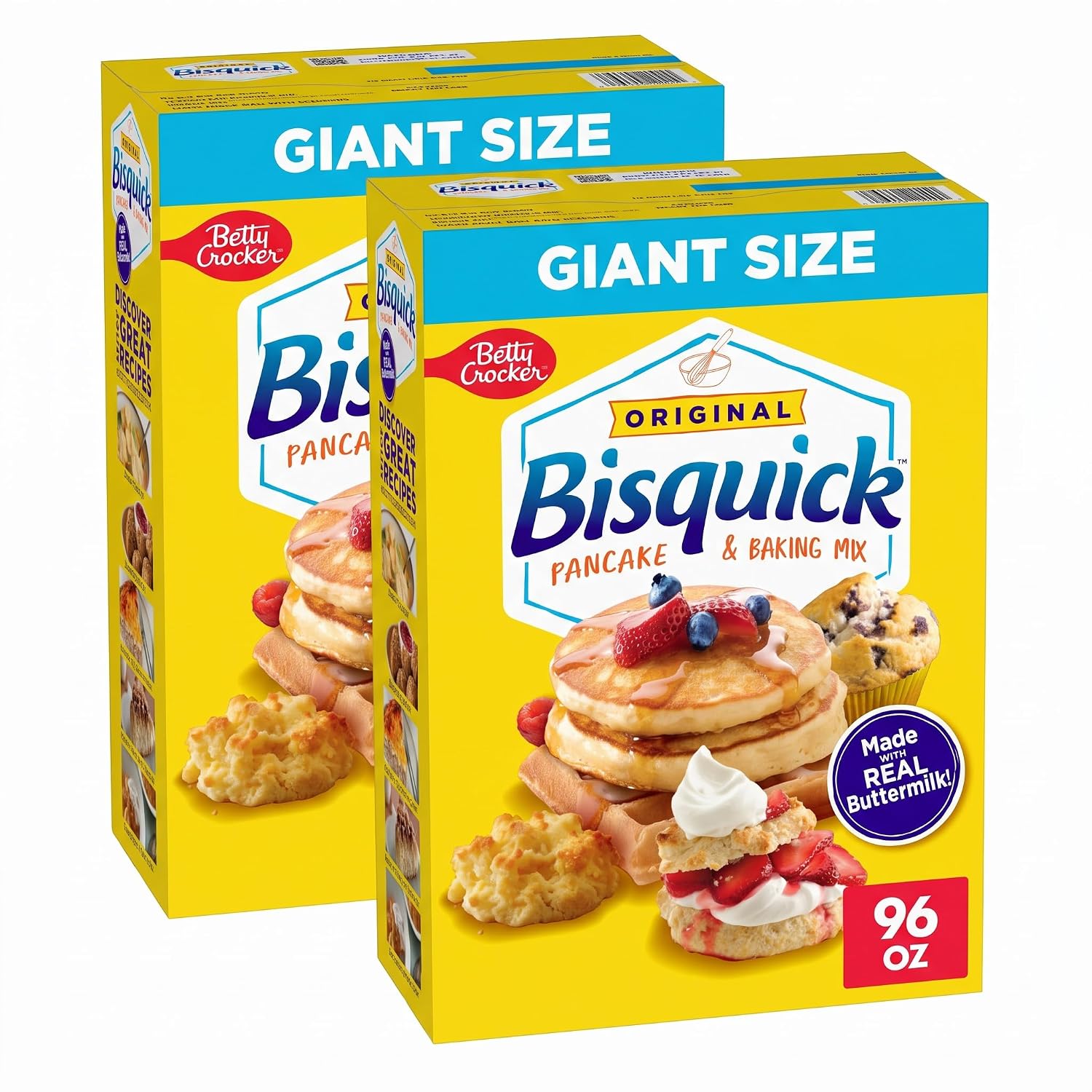
Storage space and household size play a critical role in determining which baking mix package best fits your kitchen layout. Giant size boxes and multi-pack bags offer exceptional volume for large families or frequent bakers, minimizing frequent grocery trips and ensuring you always have ingredients on hand. However, these bulky containers demand dedicated pantry shelf room to maintain organization.
Smaller pouches and specialty boxes provide convenient single-batch yields and fit easily into compact storage areas. Evaluating how quickly you consume baked goods helps prevent product staleness and ensures your pantry remains uncluttered throughout the week. Matching package dimensions to your available storage prevents unnecessary spatial crowding in smaller cooking spaces and optimizes your workflow.
Comparing Preparation Methods and Complexity
The amount of time and effort required to transform dry ingredients into a finished meal varies significantly across different baking products. Some mixes feature streamlined just-add-water instructions that get breakfast or flatbreads on the table within minutes, which is ideal for busy mornings. Others involve proving stages and dough-stretching steps designed for achieving authentic artisanal styles.
Understanding these preparation steps helps you match the product to your daily schedule and cooking preferences. Quick-mixing options reduce kitchen labor when preparing hurried weekday meals, whereas multi-step dough mixtures reward patience with traditional texture. Assess your available free time before choosing a mix to ensure the cooking process matches your lifestyle.
Assessing Recipe Versatility and Multi-Use Potential
Versatility remains an important factor when selecting a pantry baking mix for everyday household use. Certain products serve multiple culinary roles, allowing cooks to transition effortlessly from morning pancakes and waffles to evening biscuits and savory flatbreads using the same box. This multi-use capability reduces the need for stocking numerous specialized single-ingredient items in cramped cupboards.
Specialized mixes, conversely, are engineered for a singular purpose, such as creating a specific style of low-carb crust or breakfast pancake. While they excel in their designated category, they offer less flexibility for experimenting with diverse recipes across different meal types. Consider whether you prefer a flexible multi-use pantry staple or a targeted specialty blend.
Evaluating Ingredient Transparency and Quality
Examining ingredient lists helps you thoroughly understand the exact composition of your baking mix before making a final purchase decision. Many manufacturers highlight the absence of artificial colors, flavors, or preservatives, ensuring a straightforward and clean ingredient profile. Reviewing these details lets you align your pantry staples with personal dietary standards and cooking preferences every time.
Trusted baking brands often leverage decades of milling experience to formulate consistent blends that yield reliable textures batch after batch. Checking whether a product uses non-GMO ingredients or certified processes provides additional reassurance regarding manufacturing standards. Prioritizing transparency helps you select mixes that satisfy your household expectations for overall quality, consistency, and taste.
Matching Batch Yields to Household Consumption
Matching the yield of a baking mix to your household consumption rate prevents both food waste and sudden pantry shortages. Large multi-pound bags provide dozens of servings suitable for big families or community gatherings, ensuring you do not run out unexpectedly during meal prep. Single-pouch options cater to smaller households needing exact portions for single meals.
Analyzing how many pancakes or pizzas a package produces gives you a clear picture of its long-term value and utility in your kitchen. Selecting the correct batch size ensures you maintain fresh ingredients without overcrowding storage spaces. Balance your typical baking frequency against package quantities to establish an efficient kitchen supply workflow every single week.
Frequently asked questions
Can pancake and baking mixes be used to make pizza dough?
Many all-purpose baking mixes and pancake blends serve as convenient bases for quick flatbreads and crusts when combined with water or milk. While dedicated pizza mixes are specifically formulated for authentic texture and rise, general baking mixes offer a versatile shortcut for home cooks wanting to experiment with impromptu flatbreads and savory pies without starting from scratch. Always check the package instructions for any recommended adjustments to liquid ratios when transitioning a sweet pancake mix into a savory crust application.
What is the difference between low-carb pizza mixes and traditional flour mixes?
Low-carb pizza mixes are typically formulated using alternative flours and ingredients designed to significantly reduce carbohydrate counts per serving, making them ideal for individuals following ketogenic diets. Traditional wheat-based mixes rely on standard grain flours to deliver classic baking textures, elastic dough behavior, and higher overall carbohydrate contents. Choosing between these options depends entirely on your specific nutritional goals, dietary restrictions, and personal preferences regarding taste and texture during meal preparation throughout the week.
How should baking mixes be stored to maintain freshness?
Proper storage helps maintain the quality and freshness of dry baking mixes between uses. Keeping packages in a cool, dry pantry away from direct sunlight and moisture prevents clumping and preserves the integrity of the ingredients. For resealable pouches, ensure the closure is securely fastened after every use. If a mix comes in a standard box, transferring the contents to an airtight container can provide added protection against pantry pests and environmental humidity over time.
Do these mixes require additional ingredients beyond water?
Many modern baking mixes are designed for maximum convenience, requiring only the addition of water to create workable batters or doughs. However, specific recipes on the packaging may suggest incorporating butter, oil, eggs, or toppings depending on whether you are preparing pancakes, waffles, biscuits, or pizza crusts. Reviewing the instructions on the specific product packaging ensures you have all necessary supplementary items ready before beginning your culinary preparation in the kitchen.
How do I choose the right package size for my household?
Selecting the appropriate package size depends on how frequently you bake and the number of people you regularly feed. Giant size boxes and multi-pack bags are well-suited for larger families or frequent bakers who consume large quantities of pancakes and baked goods regularly. Conversely, smaller single-pouch packages work best for individuals or smaller households looking to avoid pantry clutter and ensure ingredients are used quickly before losing peak freshness.