Appliances · Buying Guide
Best Pie Baking Dish Choices for Flaky Crusts and Deep Fillings
Choosing the right pie baking dish transforms how your homemade crusts bake and how your favorite desserts present on the table. Different materials, from durable ceramics to tempered glass, affect heat distribution and crust crispness differently depending on your preferred recipes.
Whether you bake sweet fruit desserts, savory quiches, or deep-dish casseroles, matching the pan design to your cooking style ensures reliable results. Reviewing the physical traits of each option helps you select a reliable bakeware addition for daily kitchen tasks.
As an Amazon Associate, StacyLaughs earns from qualifying purchases.
Buying guide
Material Selection and Heat Distribution
Pie dishes come in various materials like ceramic, stoneware, and tempered glass, each affecting how heat transfers to your crust. Ceramic and stoneware options distribute heat gradually, helping prevent burnt pastry edges while cooking fillings thoroughly.
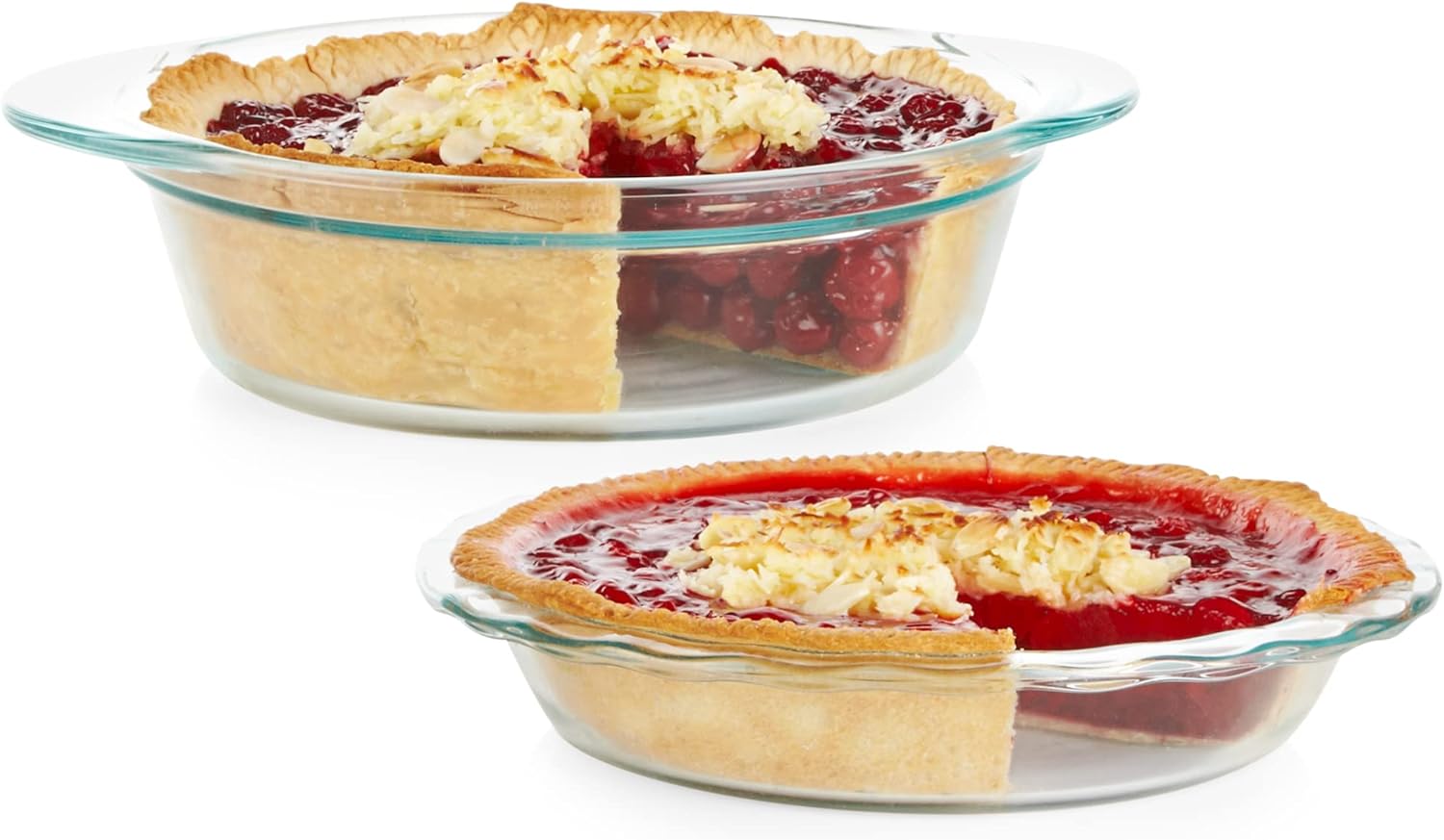
Glass alternatives heat up steadily and let you monitor bottom crust browning visually. Consider your preferred recipe types when choosing a material to ensure optimal texture.
Rim Design and Crimping Features
Fluted rims do more than add a decorative touch to your homemade pies; they provide a practical guide for crimping pastry dough. A textured edge also offers a better grip.
When wearing oven mitts, wide rims help you maintain control while moving heavy dishes from the counter into a hot oven.
Temperature Range and Thermal Safety
Bakeware thermal ratings dictate how safely a dish moves between cold storage and high heat. Many ceramic and glass pans tolerate freezer storage and high oven temperatures.
Always check the manufacturer maximum temperature limits to ensure your dish can handle preheated ovens or broiler settings without cracking or structural damage.
Capacity and Sidewall Depth
Standard pie plates accommodate regular fruit fillings, while deep-dish models feature taller sidewalls designed for towering meringue toppings or thick quiches. Selecting the correct depth stops messy spills.
High-capacity pans also easily accommodate store-bought crusts alongside from-scratch dough preparations for everyday convenience.
Cleaning and Maintenance Needs
Cleanup requirements vary between dishwasher-safe ceramics and handcrafted stoneware that specifies gentle hand washing. Low-porosity glazes naturally resist stubborn stains from dark berries.
Reviewing care instructions helps preserve your bakeware surface finish and structural integrity through years of regular kitchen use.
Handling and Storage Footprint
The physical dimensions and weight of a pie dish influence how easily you store it in crowded kitchen cabinets. Lighter glass or thin ceramic options stack easily.
Heavier stoneware and deep-dish models offer incredible stability during transport but require dedicated shelf space and careful handling.
Frequently asked questions
Can I put a ceramic pie dish directly from the freezer into a hot oven?
Many high-grade ceramic and porcelain pie dishes support direct transitions from cold storage into preheated ovens, provided they meet specific manufacturer temperature ratings. However, checking the documentation for your exact model prevents thermal shock. Gradual temperature changes are always safer when handling stoneware materials to avoid unexpected cracking or structural failure during baking.
What is the advantage of a fluted rim on a pie pan?
A fluted rim serves dual purposes in baking by acting as a physical guide for crimping decorative pastry edges and providing a secure grip. The textured waves give your fingers purchase when lifting heavy dishes wearing bulky oven mitts. This design element improves both the visual presentation of your finished crust and the safety of your kitchen transport routine.
How do I choose between glass and ceramic pie baking dishes?
Choosing between glass and ceramic depends on your thermal preferences and visual monitoring needs. Glass bakeware heats steadily and lets you check the bottom crust color through the material. Ceramic and stoneware options excel at retaining heat evenly, reducing hot spots that cause uneven browning. Both materials offer dependable performance when matched with the right recipes.
Are deep dish pie pans necessary for standard recipes?
Deep dish pans are not required for standard recipes that use shallow fruit fillings or single-layer crusts. However, they are essential if you prefer preparing heavy-duty pot pies, quiches with multiple ingredients, or towering fruit desserts. Selecting a deep model stops messy overflows in your oven while holding larger family-sized food portions.
How should I clean a ceramic pie dish with baked-on filling?
Most high-grade ceramic and porcelain pie dishes feature smooth, glazed surfaces that allow safe cleaning in standard household dishwashers. For stubborn baked-on fruit residues, soaking the dish in warm soapy water loosens the residue before washing. Avoid using abrasive scouring pads that might scratch the protective glaze over time.