Appliances · Buying Guide
Best Pizza Dough Baking Temp: Choosing the Right Steel or Pan
Getting the right pizza dough baking temp in a home oven often requires more than just turning the dial to maximum. Achieving a truly crispy crust and bubbly cheese mirrors the results of a wood-fired brick oven. Traditional ceramic stones can crack under intense thermal shock, leading home bakers to explore conductive metal surfaces and specialized pans designed to handle high oven temperatures effectively.
Whether you are baking standard Neapolitan pies, frozen pizzas, or artisan sourdough bread, matching your dough's needs to the correct baking surface changes everything. Steel plates and carbon steel pans absorb heat rapidly, transferring energy directly into the raw dough for an even, golden bottom. Evaluating thickness, dimensions, and seasoning requirements helps you select equipment that integrates smoothly with your regular kitchen routine.
As an Amazon Associate, StacyLaughs earns from qualifying purchases.
Buying guide
Selecting the Right Steel Thickness
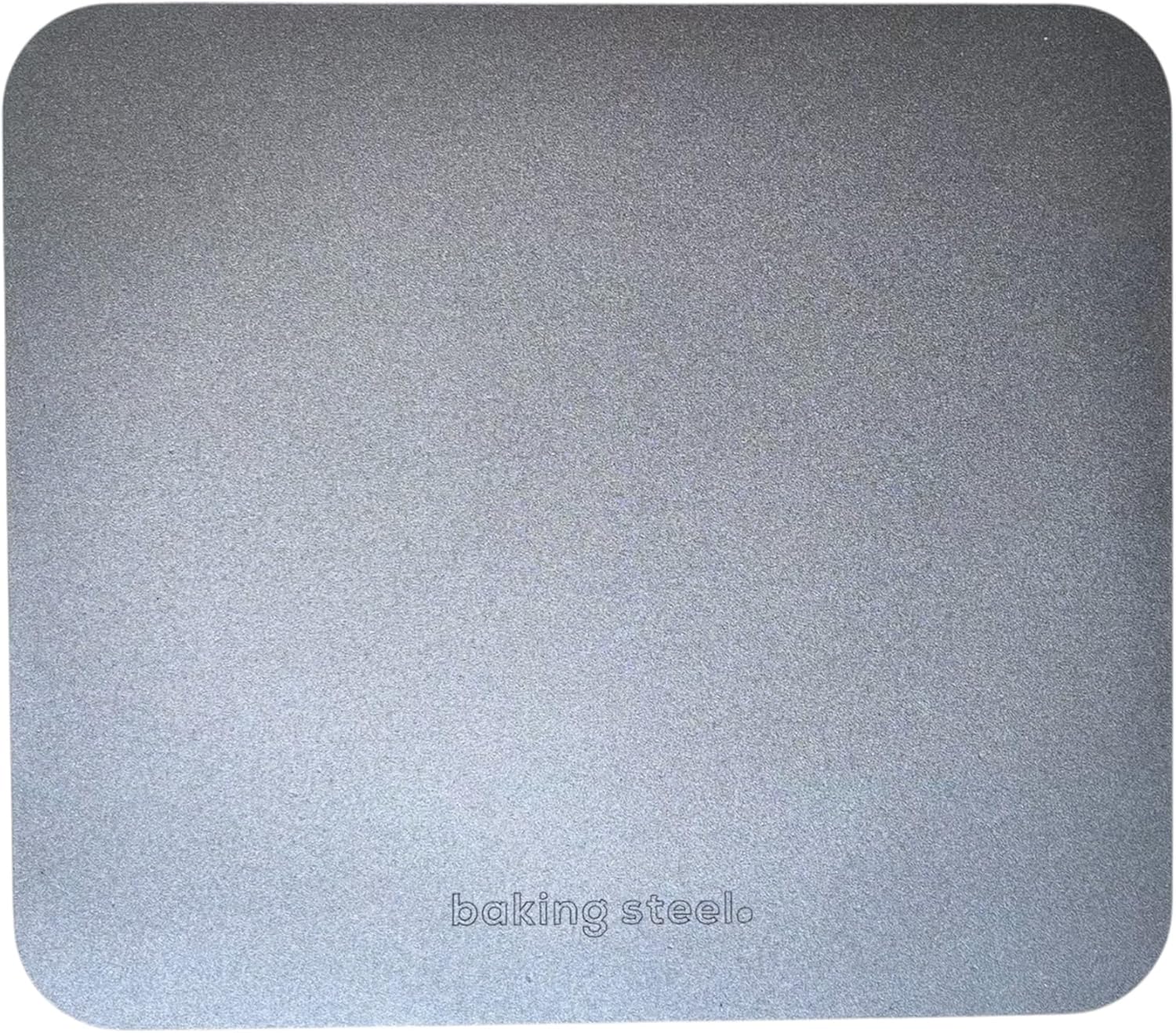
Choosing the correct thickness for your baking steel directly influences how well it retains heat and how long you must wait for it to preheat. A quarter-inch thickness provides a balanced option for home kitchens, heating up within a reasonable timeframe while retaining enough energy to bake multiple crusts in succession. Thinner variants heat faster but lose temperature quickly between pies, whereas ultra-thick alternatives require lengthy preheating periods before they reach optimal baking equilibrium.
Matching your thickness choice to your cooking frequency prevents frustration during meal preparation. If you bake occasionally, a standard quarter-inch plate offers reliable performance without demanding extensive preheat schedules. Assess your oven's power and your own schedule to find a profile that delivers consistent crust browning without excessive energy consumption.
Dimensions and Oven Compatibility
Before purchasing any baking steel or pan, measuring your oven's interior depth and rack width is essential. Standard full-size ovens typically accommodate larger rectangular or square surfaces easily, while compact or European-style appliances require smaller dimensions to maintain proper airflow around the edges. Failing to verify these internal measurements can result in a heavy plate that either jams against the oven walls or fails to fit entirely.
Consider how much physical clearance you need when sliding a wooden peel or metal spatula across the surface. Leaving a few inches of open space around the perimeter allows heat to circulate freely and simplifies the process of loading and retrieving your dough safely.
Seasoning and Initial Maintenance
Unseasoned steel plates require an initial seasoning process to build a natural non-stick patina that protects the metal and prevents dough from sticking. This typically involves washing the plate, applying a thin coat of high-smoke-point oil, and baking it in an oven at a moderate temperature for an hour. Once established, this seasoning darkens naturally with every subsequent use, functioning similarly to traditional cast iron cookware.
Pre-seasoned alternatives bypass this initial setup step, letting you start baking immediately out of the box. Regardless of which option you select, proper care involves hand washing with warm water and drying thoroughly to prevent rust formation, avoiding harsh detergents that strip away the seasoned protective layer over time.
Material Performance and Heat Retention
Steel conducts thermal energy significantly faster than traditional ceramic or stone baking surfaces, transferring heat directly into the raw dough to set the bottom rapidly. This high conductivity allows home ovens to produce professional-quality crusts and bubbling cheese at lower ambient dial settings. Unlike ceramic alternatives that remain vulnerable to thermal shock cracking, solid steel plates are virtually indestructible and endure intense heat without fracturing.
Evaluating your preferred baking style helps determine whether conductive metal or perforated carbon steel suits your recipes best. Solid plates maximize bottom browning for artisan breads and Neapolitan pies, while perforated pans optimize airflow to dry out crusts evenly in standard home ovens.
Multi-Surface Versatility and Grilling
Many baking steels and pans are engineered to transition seamlessly between indoor kitchen ovens, outdoor barbecue grills, campfires, and stovetops. A flat rectangular or square steel plate doubles as a heavy-duty flat-top griddle for smashing burgers, roasting vegetables, or cooking breakfast flatbreads over direct flame. Selecting a versatile design expands your cooking capabilities far beyond standard pizza nights without requiring specialized separate equipment.
When using metal plates on outdoor grills, ensure the cooking grate provides stable support to handle the substantial weight safely. Direct flame exposure requires durable low-carbon steel construction that resists warping, ensuring your baking surface remains perfectly flat across years of varied outdoor and indoor culinary use.
Managing Weight and Handling Safety
High-performance baking steels are dense metal slabs that often weigh between fifteen and twenty pounds, requiring careful lifting and maneuvering. Because they must be preheated inside a hot oven for up to an hour, transferring them safely demands sturdy oven mitts and secure footing. Lighter carbon steel pans offer an alternative for cooks who prefer easier handling and less physical strain during kitchen tasks.
Assessing your own lifting comfort ensures you select a surface you can manage safely when hot. If heavy lifting presents a challenge, opting for a lighter pan or a more compact steel size keeps meal preparation accessible without compromising your ability to bake delicious homemade pizza.
Frequently asked questions
How long should I preheat my baking steel for optimal pizza dough results?
Achieving the best results with a baking steel requires a substantial preheating period to ensure the metal absorbs maximum thermal energy. Manufacturers recommend placing your steel on the oven rack and preheating at 500 degrees Fahrenheit for forty-five to sixty minutes before cooking. This extended window allows the dense steel to soak up heat evenly, creating the necessary thermal mass to bake a crisp, golden crust in under ten minutes. Skipping this vital preheating step results in an undercooked bottom because the metal has not reached peak temperature.
Can I use a baking steel on an outdoor barbecue grill or stovetop?
Yes, many solid metal baking steels are designed to withstand direct flame and high temperatures, making them suitable for outdoor barbecue grills, campfires, and gas or electric stovetops. When placed on a grill grate, a heavy steel plate functions effectively as a flat-top griddle surface for searing smash burgers, roasting vegetables, or baking flatbreads. You should verify that your specific steel model is rated for open flame use and ensure your grill grates provide stable support for the heavy weight of the metal plate before beginning your outdoor cooking session.
What is the difference between a pizza steel and a traditional ceramic stone?
The primary difference lies in thermal conductivity and durability. Solid steel conducts heat up to twenty times more efficiently than ceramic stones, transferring energy rapidly into your raw pizza dough to set and brown the bottom crust much faster. Additionally, while ceramic stones are prone to cracking or shattering from thermal shock if exposed to rapid temperature changes, metal baking steels are virtually indestructible. Steel will never shatter in the oven, providing a long-lasting cooking platform that handles high heat reliably over years of regular use.
How do I clean and maintain my unseasoned baking steel?
Unseasoned baking steels require careful cleaning to preserve their protective patina and prevent rust. After your steel cools completely, hand wash it using warm water and a scrub brush, avoiding harsh dish soaps or chemical detergents that can strip away the seasoned oil layer. Dry the metal thoroughly with a towel immediately after washing, and optionally rub a very thin layer of high-smoke-point oil across the surface before storing it in a dry place. Never place an unseasoned carbon steel plate into an automatic dishwasher.
Do I need to buy a wooden pizza peel along with my baking steel?
While a wooden pizza peel is not strictly mandatory, it serves as a highly practical tool for transferring your prepared pizza dough onto a scorching hot baking steel safely. The smooth wooden surface allows raw dough lightly dusted with flour or cornmeal to slide off easily without sticking, keeping your hands safely away from the extreme heat inside the oven. Some kits include a peel in the package, but if yours does not, acquiring a separate peel or a thin metal spatula greatly simplifies the launching process and prevents accidents.