Appliances · Buying Guide
Best Pizza Dough Baking Temperature Gear for Home Ovens
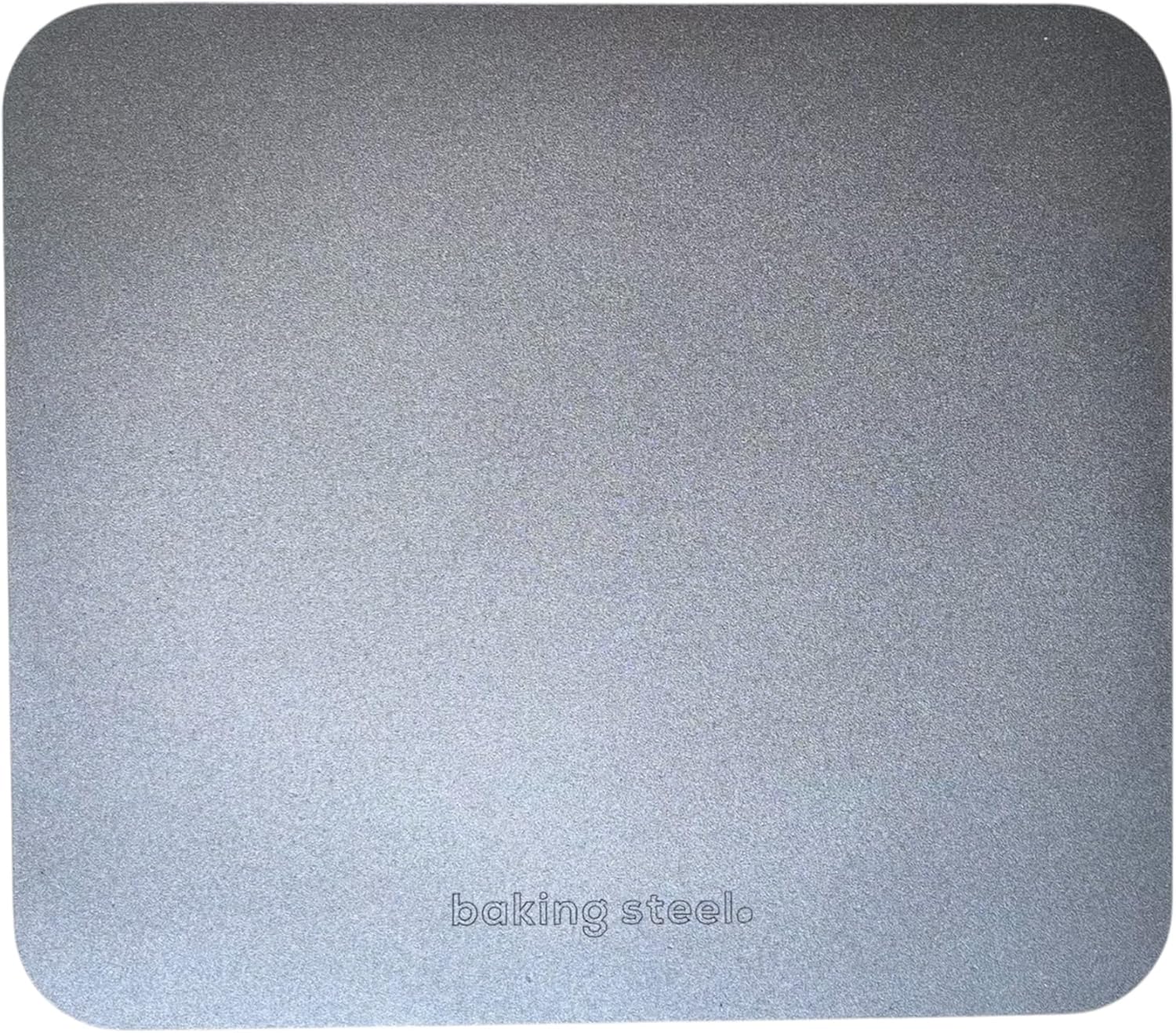
Achieving the ideal pizza dough baking temperature at home requires equipment that can absorb and transfer heat efficiently. Traditional ceramic stones often fall short when paired with standard domestic ovens, which struggle to maintain high ambient cooking levels once the door opens. Steel alternatives change this dynamic entirely by offering superior thermal conductivity compared to standard baking surfaces.
Selecting the right steel plate depends heavily on your oven dimensions, preferred baking style, and whether you plan to cook multiple pies consecutively. Models vary significantly in thickness, weight, and surface area, directly influencing how long they take to preheat and how well they retain heat during heavy use. Understanding these physical attributes helps you match a baking steel to your specific culinary routine.
As an Amazon Associate, StacyLaughs earns from qualifying purchases.
Buying guide
Material Thickness and Thermal Performance
Selecting the correct metal thickness directly influences how efficiently your baking plate stores and transfers thermal energy during the cooking process. Thinner plates heat up relatively quickly but may struggle to maintain steady temperatures during back-to-back baking sessions. Understanding this dynamic helps you avoid undercooked centers when preparing dense sourdough or artisan flatbreads for hungry family members.
Thicker options demand longer preheating cycles yet deliver superior thermal recovery when handling multiple heavy dough rounds consecutively in your home kitchen. Matching the steel gauge to your typical cooking frequency ensures consistent crust development and browning without unexpected temperature drops. This balance determines how smoothly your baking routine operates from start to finish.
Oven Compatibility and Rack Dimensions
Before purchasing any baking steel, you must measure your oven interior carefully to ensure proper hot air circulation around all edges. A plate that blocks perimeter airflow can disrupt heat distribution and cause uneven baking results across your dough crust. Always check both the depth and width of your wire racks against the listed dimensions before finalizing your selection.
Standard full-size kitchen ranges usually accommodate larger square or rectangular plates without difficulty during regular meal preparation. However, compact or European-style appliances often require smaller footprints to prevent installation issues and door closure problems. Verifying these measurements beforehand saves you from frustrating returns and guarantees a secure fit inside your specific cooking appliance.
Surface Area and Pizza Diameter
The overall physical dimensions of your cooking plate dictate the maximum size of the pizzas you can comfortably launch and bake at home. A compact surface suits individual pies perfectly but limits your ability to feed larger groups efficiently during weekend gatherings. Consider whether you prefer making single large meals or multiple smaller portions during standard family dinners.
Rectangular designs offer extended lengths that can accommodate two smaller pies side by side or elongated artisanal bread loaves simultaneously. Square formats provide balanced boundaries for centering standard round crusts easily without hanging over the edges. Choosing the right layout keeps your baking workflow smooth and prevents crowding on the hot metal surface.
Seasoning and Initial Maintenance
Baking steels typically arrive either pre-seasoned or shot-blasted, requiring different preparation steps before your very first cooking session in the kitchen. Pre-seasoned models let you start baking immediately without messy oiling and baking routines. Raw or shot-blasted variants demand a simple initial seasoning cycle using a thin coat of oil and moderate heat to establish a protective base.
Regular maintenance involves simple hand washing with water and drying thoroughly to prevent unwanted rust accumulation over time. Avoiding harsh detergents preserves the developing natural non-stick patina that improves cooking release performance with every subsequent meal. Proper daily care ensures your steel remains a highly durable kitchen staple for years of reliable baking.
Weight Management and Lifting Safety
Because steel is substantially heavier than traditional ceramic stones, physical weight is a critical factor during daily handling and storage routines. Lighter options remain easily manageable for most adults when moving them in and out of hot kitchen ovens. Heavier plates offer exceptional thermal benefits but demand extra caution and two-handed lifting during placement and removal.
Assessing your own lifting comfort prevents accidents involving hot appliances and heavy metal accessories. Ensure you have a secure grip and a clear workspace before shifting heavy plates between interior oven racks. Prioritizing physical safety keeps your cooking experience enjoyable and free from unnecessary strain or awkward dropping hazards in the kitchen.
Multi-Purpose Grill and Range Use
Many baking steels double as versatile flat-top griddles for outdoor grills, gas cooktops, and campfires. This cross-functionality allows you to cook smash burgers, breakfast foods, and roasted vegetables outside of traditional indoor oven baking. Low-carbon steel handles direct flames without warping under typical cooking temperatures, expanding your culinary options significantly.
Utilizing your plate across multiple heat sources expands its everyday utility far beyond pizza and bread preparation. Make sure to match the plate size to your burner layout or outdoor grill grates for even heat distribution across the metal. This multi-purpose design transforms a single baking accessory into a reliable outdoor cooking station for gatherings.
Frequently asked questions
Why use a baking steel instead of a ceramic pizza stone for homemade dough?
Baking steel offers significantly higher thermal conductivity compared to traditional ceramic stones, moving heat rapidly into your pizza dough. This efficient heat transfer allows the bottom of your crust to set and brown evenly at standard home oven temperatures in under ten minutes. Furthermore, steel is virtually indestructible and will never crack or shatter from thermal shock, unlike ceramic alternatives that can break under high heat swings. This durability makes steel a reliable, long-lasting investment for frequent home bakers seeking consistent restaurant-quality crust results.
How long should I preheat my baking steel before cooking pizza dough?
Most manufacturers recommend preheating your baking steel inside the oven at five hundred degrees Fahrenheit for forty-five to sixty minutes. This extended preheating period allows the heavy metal plate to absorb and store enough thermal energy to cook your pizza dough quickly and achieve a crispy bottom crust. Skipping or shortening this preheat window can result in an undercooked base because the steel needs adequate time to saturate fully with heat before you launch your prepared pizza onto the surface.
Can I use my baking steel on an outdoor grill or gas stovetop?
Yes, low-carbon baking steels handle direct flames and high heat sources exceptionally well, allowing you to use them on gas ranges, outdoor grills, and even campfires. When placed over multiple burners or grill grates, the steel functions effectively as a flat-top griddle surface for cooking smash burgers, breakfast items, vegetables, and flatbreads. This versatility extends the utility of your baking accessory far beyond traditional indoor oven pizza preparation, making it a valuable tool for outdoor cooking enthusiasts and backyard hosts.
How do I clean and maintain my baking steel after use?
Cleaning a baking steel is straightforward and requires hand washing with warm water only, avoiding harsh soaps or chemical detergents. After washing, dry the steel thoroughly to prevent rust accumulation on the surface. Over time, applying a very thin coat of oil and cooking builds a natural non-stick patina, similar to cast iron cookware, which improves food release. Following these simple manufacturer care instructions ensures your steel remains in excellent condition for years of continuous baking.
Do I need to season my baking steel before the first use?
Whether you need to season your baking steel depends on how it ships from the manufacturer. Some models arrive pre-seasoned and ready for immediate baking right out of the box, saving you time. Other variants ship shot-blasted and require a simple initial seasoning process before your first meal. This typically involves washing the steel, applying a very thin layer of cooking oil, and baking it in your oven at a moderate temperature for about one hour to build the initial protective layer.