Appliances · Buying Guide
Best Pizza Dough Tools And Accessories For Your Home Oven
Making authentic, restaurant-quality pizza at home starts well before the pie ever touches the direct heat source. Achieving a crispy crust with a tender interior requires proper preparation, from precise dough handling to reliable heat conduction. Home cooks can significantly improve their everyday baking results by using dedicated accessories designed specifically for artisanal pizza making in standard home kitchens.
Whether you are rolling out fresh dough, proofing individual portions in airtight containers, or baking on heavy-duty conductive steel surfaces, having the right equipment transforms your kitchen into a reliable pizzeria. Selecting matching tools ensures consistent results, proper fermentation control, and easier cleanup across every single baking session you undertake at home.
As an Amazon Associate, StacyLaughs earns from qualifying purchases.
Buying guide
Material Selection For Pizza Steels
When selecting a baking surface for your home oven, low-carbon steel offers superior thermal conductivity compared to traditional ceramic stones. Steel transfers heat rapidly to the bottom of your pizza crust, producing an even browning effect. Unlike fragile ceramic alternatives that can crack under extreme thermal shock, solid metal plates provide a virtually indestructible foundation for high-temperature baking.
Buyers should examine how the metal is manufactured, favoring precision laser-cut options that lie completely flat on oven racks. A smooth, uniform surface ensures consistent contact with your dough. Understanding the inherent properties of raw steel helps you appreciate the initial seasoning process required to build a natural non-stick patina over years of regular weekly pizza preparation.
Thickness And Heat Retention Factors
The thickness of your baking steel directly dictates its performance and handling characteristics during cooking sessions. A quarter-inch thickness provides a versatile middle ground, heating up relatively quickly while retaining sufficient energy to crisp crusts effectively. Thicker plates store vastly more thermal energy, making them ideal for households that bake multiple pizzas back-to-back without wanting temperature drop-offs.
Conversely, heavier plates demand longer preheating periods before they reach peak baking temperature. Home cooks must weigh their scheduling preferences against their need for rapid heat recovery. Selecting the correct gauge ensures your equipment matches your cooking style, whether you prepare a single weekly pie or host large gatherings requiring continuous baking cycles.
Sizing Your Equipment For Standard Ovens
Dimensional compatibility is a critical consideration before purchasing any heavy-duty baking steel or rolling accessory. Standard home ovens typically accommodate sixteen-inch square plates, but measuring your interior rack depth is essential to avoid clearance issues. Compact or European-style appliances often require smaller dimensions, such as fourteen-inch variants, to maintain proper airflow around the edges of the metal.
Similarly, dough preparation tools like rollers and proofing containers must fit your available workspace and refrigerator shelves. Ensuring proper measurements prevent storage frustrations. Taking time to map out your kitchen dimensions guarantees that your chosen accessories integrate smoothly into your existing appliance setup without causing overcrowding during food preparation.
Managing Dough Proofing And Fermentation
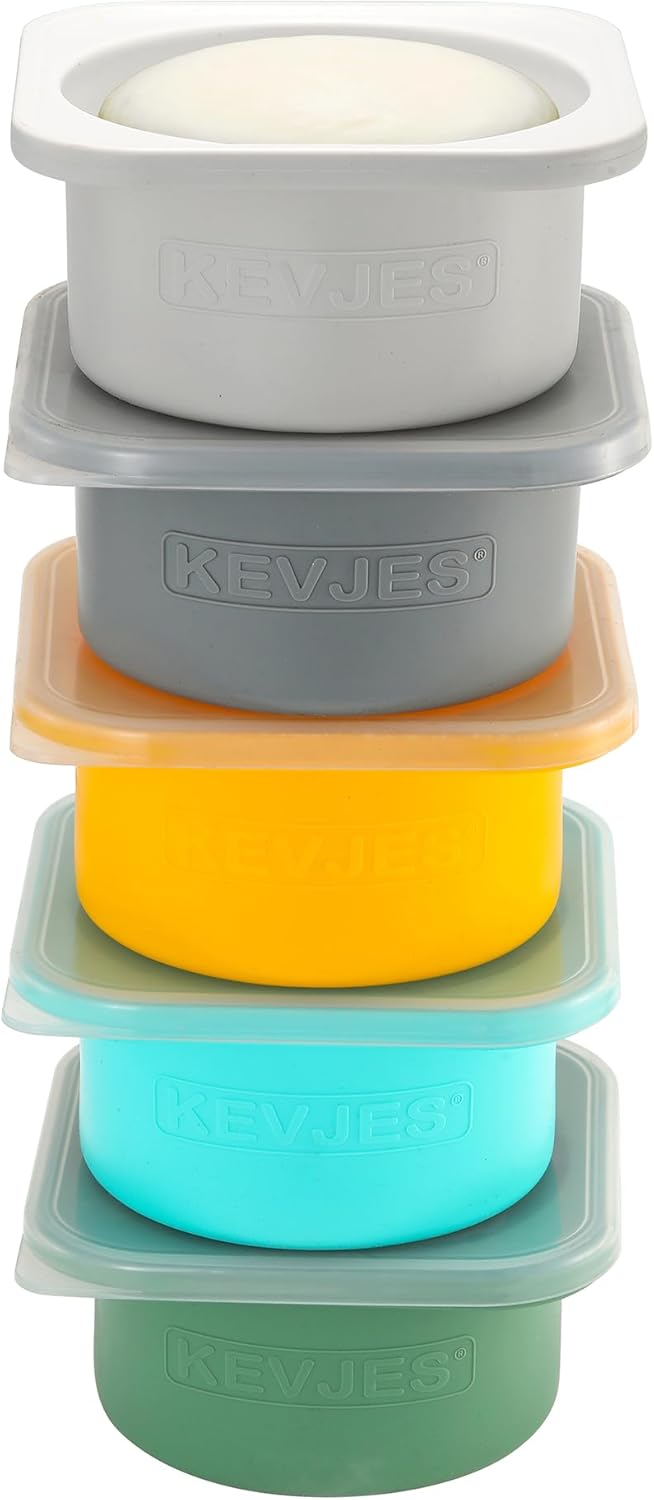
Proper dough management lays the foundation for a successful artisanal pizza bake in any home kitchen. Utilizing dedicated proofing containers with airtight lids prevents individual dough balls from drying out during extended cold fermentation periods. Clear seals also keep unwanted refrigerator odors away from your rising yeast dough, protecting the subtle flavors developed over hours of slow resting.
Stackable designs maximize refrigerator space, allowing you to prepare multiple portions simultaneously without cluttering shelves. When selecting proofing vessels, consider capacity limits to ensure each ball has adequate room to expand naturally. Structured support elements within the container walls further prevent the dough from sticking or distorting before it reaches your prep counter.
Surface Preparation And Seasoning Maintenance
Raw metal baking surfaces require specific maintenance routines to prevent corrosion and build a reliable non-stick cooking layer. Because these plates typically ship untreated, your first task involves washing, applying a thin coat of cooking oil, and baking the steel at moderate temperatures. This initial seasoning process polymerizes the oil, creating a dark, protective patina that strengthens with every subsequent use.
Cleaning requires a gentle approach, usually involving warm water and a scrub brush rather than harsh dish soaps. Avoiding abrasive detergents preserves the seasoned coating. Following these straightforward care guidelines ensures your metal baking surface remains durable, hygienic, and ready to perform reliably across years of homemade pizza nights and family dinners.
Choosing Companion Tools For Crust Control
Controlling dough thickness and managing surface bubbling represents a key skill for achieving professional-grade crust textures. Dough dockers equipped with sharp spikes allow bakers to puncture trapped air pockets quickly, stopping unwanted blisters from forming during the bake. This simple mechanical step ensures uniform heat transfer across flatbreads and pie crusts alike.
Pairing a dock roller with reliable wooden peels and cutting accessories completes a comprehensive pizza preparation kit. Each accessory serves a distinct mechanical purpose, streamlining the transition from dough rolling to final oven transfer. Evaluating your specific baking habits helps you identify which individual tools will genuinely enhance your homemade pizza routine.
Frequently asked questions
Do I need to season a raw steel baking plate before my first pizza bake?
Yes, raw metal baking plates typically ship unseasoned and require a straightforward preparation process before their initial use. You should thoroughly wash the steel, apply a very thin, even coat of cooking oil across all surfaces, and bake it inside your oven at a moderate temperature for about one hour. This heat treatment polymerizes the oil, building a durable, natural non-stick patina that protects the metal from rust and helps release baked crusts easily.
What is the main purpose of using a spiked dough docker tool?
A spiked dough docker is designed to prevent unwanted bubbling, blistering, and puffing when you roll out fresh pizza dough or pastry sheets. By pressing the roller across the surface, you create tiny, evenly spaced holes that allow trapped steam to escape during the baking process. This simple mechanical action ensures your crust maintains a flat, consistent thickness, preventing large hollow pockets from ruining the texture of your homemade pizzas or flatbreads.
How does steel compare to ceramic stones for home oven pizza baking?
Steel conducts thermal energy up to twenty times more efficiently than traditional ceramic stones, allowing it to transfer intense heat directly into your pizza base for rapid cooking. While ceramic stones can crack from thermal shock under extreme temperature shifts, solid metal plates are virtually indestructible and handle high heat without failing. However, steel options are typically heavier to lift and require careful management of preheating times to achieve optimal results in standard kitchen ovens.
Why should I use individual proofing containers instead of one large bowl?
Individual proofing containers allow you to portion your pizza dough balls immediately after mixing, which simplifies the cold fermentation process. Each sealed container protects its specific dough portion from drying out and keeps refrigerator odors away. This controlled environment maintains proper hydration and structural integrity for every single ball. When it is time to bake, you can easily tip an individual portion out onto your flour surface without disturbing neighboring dough sections during preparation.
How do I clean and maintain a heavy metal baking plate?
Cleaning a heavy metal baking plate is straightforward but requires avoiding standard dish soap, which can strip away your accumulated seasoning layer. After the steel has cooled down completely, you should use warm water and a soft brush or scraper to remove any residual food particles. Dry the surface thoroughly immediately after washing to prevent moisture from causing surface rust. Applying a very light wipe of cooking oil before storing will keep the metal conditioned for your next baking session.