Appliances · Buying Guide
Best Pizza Dough from Sourdough Starter Tools and Gear for Home Bakers
Making pizza dough from sourdough starter brings a unique, tangy flavor and wonderful texture to homemade pizza nights. Unlike commercial yeast, wild yeast fermentation requires patience, precise temperature control, and the right equipment to build a strong, active culture. Whether you are mixing your first batch of natural yeast dough or scaling up your weekly baking routine, having dedicated tools simplifies the process significantly.
From specialized jars that track feeding schedules to temperature-controlled proofing boxes and individual storage containers for dough balls, various accessories help optimize every step. This overview examines several practical kits and containers designed to support fermentation, helping you choose the right additions for your kitchen workspace and baking style without guesswork.
As an Amazon Associate, StacyLaughs earns from qualifying purchases.
Buying guide
Cultivating Wild Yeast Cultures
Cultivating wild yeast from flour and water requires patience, dedication, and consistent daily maintenance routines. A dedicated starter jar equipped with clear measurement markings helps you track feeding levels and volume expansion accurately over time. Using an elastic band marked with the days of the week ensures you never lose track of your last feeding session or feeding ratio.
Selecting a glass jar with a wide or funnel-shaped opening simplifies stirring down thick mixtures and adding fresh flour without making a kitchen mess. Clear glass walls allow you to inspect gas bubbles forming inside the culture, giving you reliable visual confirmation of yeast activity before you attempt mixing your final pizza dough recipe.
Managing Temperature for Fermentation
Temperature plays a vital role in determining how fast your sourdough starter and pizza dough ferment. Cooler kitchen environments often slow down yeast activity, leading to prolonged rise times that disrupt baking schedules. Utilizing a dedicated bread proofing box provides a stable, temperature-controlled microclimate that encourages steady and predictable fermentation regardless of weather conditions outside the appliance.
Look for units featuring precision digital controls and adjustable temperature ranges to accommodate different recipes. PID temperature regulation helps maintain exact warmth within a tight margin, preventing overheating that could weaken your wild yeast culture. Foldable designs offer convenience for storage, letting you tuck the proofer away easily when your weekly baking session concludes.
Individual Dough Ball Storage
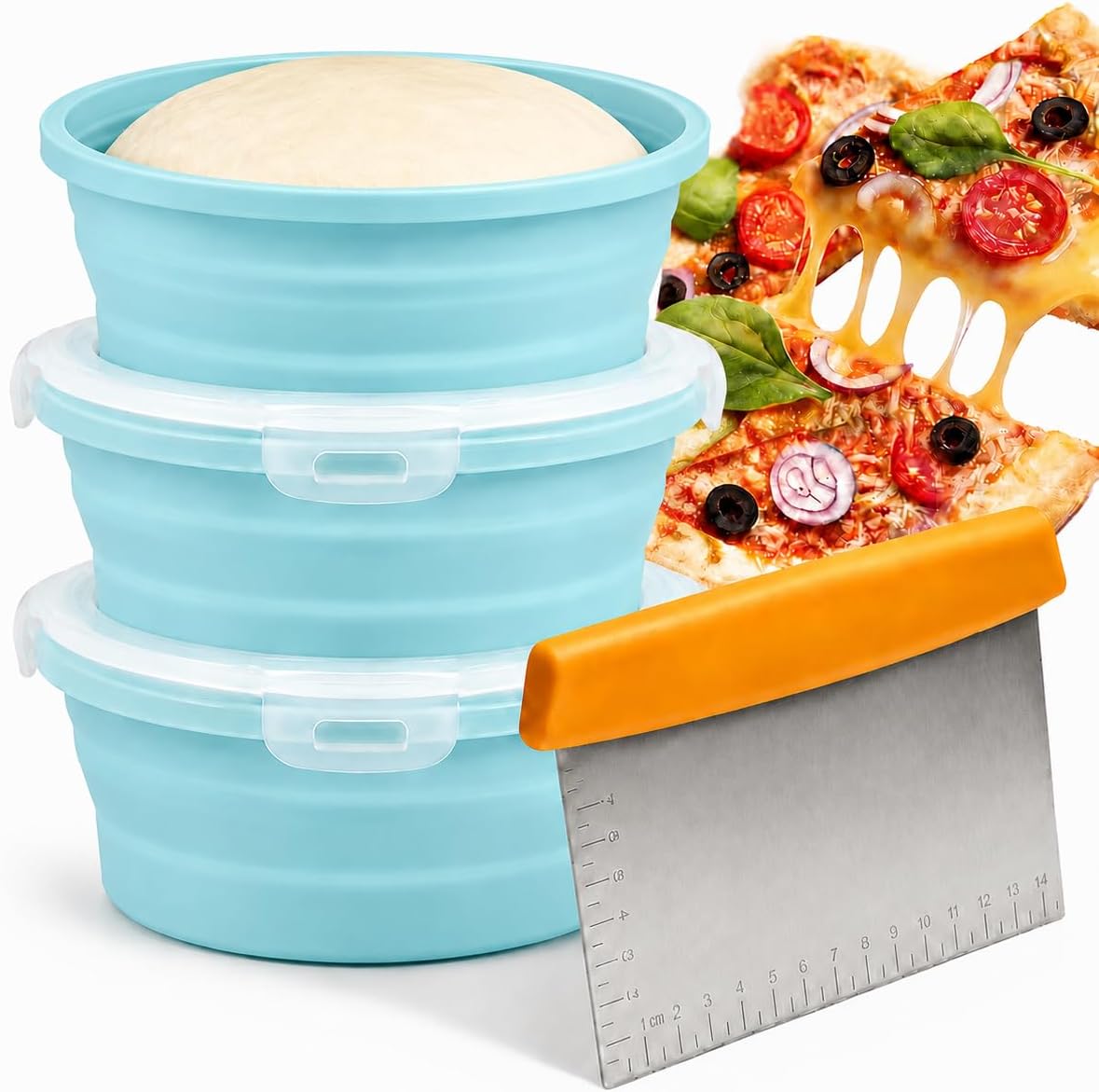
When preparing pizza dough for multiple guests or family members, dividing the dough mass into individual balls is standard practice. Specialized proofing containers designed for single portions keep each piece separated, preventing the dough from sticking together or losing its structural shape during the crucial cold fermentation phase in your refrigerator.
Containers featuring clear airtight lids let you monitor gas development without releasing internal humidity or exposing the sensitive dough to circulating refrigerator air. Stackable configurations save valuable shelf space, while food-grade silicone materials ensure easy release and simplified cleanup after your homemade pizza night concludes successfully without unnecessary physical stress.
Choosing Materials for Baking Gear
Kitchen tools come in various materials, each offering distinct practical advantages for baking workflows. Glass starter jars provide a non-reactive environment for wild yeast cultures, allowing you to monitor internal changes easily. However, glass requires careful handling and hand washing, whereas flexible silicone containers offer dishwasher-safe convenience and space-saving collapsible designs for tight storage cabinets.
Insulated proofing boxes often combine durable polyester exteriors with aluminum foil linings to retain warmth efficiently while keeping overall weight low. Rattan baskets support traditional artisan shaping, promoting optimal airflow around proofing loaves. Evaluating your cleaning preferences and storage limitations will guide you toward materials that suit your daily kitchen routine best.
Optimizing Fermentation Timers
Long fermentation schedules are very common when working with natural sourdough starters for homemade pizza dough and artisan bread. Built-in digital timers on modern proofing equipment allow you to program exact durations ranging from a few hours up to forty-eight hours, taking the guesswork out of complex baking recipes and preventing damaged dough structures.
Digital controls provide precise countdowns, ensuring your dough develops optimal flavor and gluten structure before the actual baking process begins. Automated heating elements add everyday convenience, letting you manage multi-stage fermentation processes safely overnight or while handling other daily household tasks without constant manual monitoring of shifting ambient kitchen temperatures.
Equipping Your Baking Workspace
Setting up an efficient baking workspace involves gathering essential tools that streamline every single phase of dough preparation. From mixing and feeding natural yeast to proofing individual dough balls and baking artisan loaves, having the right accessories on hand reduces frustration and improves overall consistency across your homemade pizza baking projects.
Selecting versatile kits or individual containers depends heavily on your specific recipes and kitchen layout constraints. Reviewing available features such as transparent viewing windows, stackable designs, and washable fabric liners helps you build a practical toolkit tailored to your personal goals, available space, and home baking frequency without unnecessary clutter.
Frequently asked questions
How do I maintain a sourdough starter for pizza dough?
Maintaining a sourdough starter for pizza dough involves regular feedings with flour and water to keep the wild yeast active and vigorous. Using a dedicated starter jar with measurement markings allows you to monitor growth and feeding levels easily. An elastic band marked with the days of the week helps you remember when the culture was last refreshed. Keeping the starter at consistent temperatures ensures it develops enough rise power to leaven heavy pizza dough successfully without commercial yeast additives.
Why use a proofing box for pizza dough fermentation?
A proofing box provides a stable, temperature-controlled environment that removes the guesswork from ambient kitchen climate variations. Wild yeast in sourdough starters thrives within specific warmth ranges, and a proofer lets you dial in precise temperatures for steady fermentation. This consistency prevents your pizza dough from rising too slowly in cold rooms or over-fermenting during hot summer days, resulting in a more predictable texture and reliable rise every time you bake.
What are the benefits of individual pizza dough containers?
Individual pizza dough containers keep your pre-portioned dough balls completely separated during the cold fermentation stage, preventing them from sticking together or losing their shape. Clear lids let you monitor gas bubble development and fermentation progress without opening the container and letting humidity escape. Additionally, stackable and foldable silicone designs save valuable refrigerator and cabinet space, making it easy to organize multiple dough portions for family pizza nights without cluttering your kitchen shelves.
Do I need special tools to bake sourdough pizza at home?
While you can bake sourdough pizza using basic kitchen bowls and baking sheets, specialized tools significantly simplify the workflow. Items like digital proofing boxes maintain exact temperatures for slow fermentation, while rattan baskets and silicone bread slings assist with shaping and transferring loaves if you expand into artisan bread. Dedicated starter jars and individual proofing containers also help keep your ingredients organized, though your specific tool selection depends entirely on your personal baking preferences and recipes.
How do I clean and store my sourdough baking equipment?
Cleaning and maintenance depend heavily on the specific materials of your baking gear. Glass starter jars and silicone containers generally offer straightforward washing routines, though glass items typically require hand washing. Foldable proofing boxes and insulated warmers should be wiped clean with a damp cloth after cooling, avoiding immersion in water or harsh chemicals. Rattan baskets benefit from gentle brushing and proper drying to prevent moisture retention, ensuring your baking tools remain in good condition over years of regular use.