Appliances · Buying Guide
Best Pizza Dough Proofing Containers to Stop Shrinking Crusts
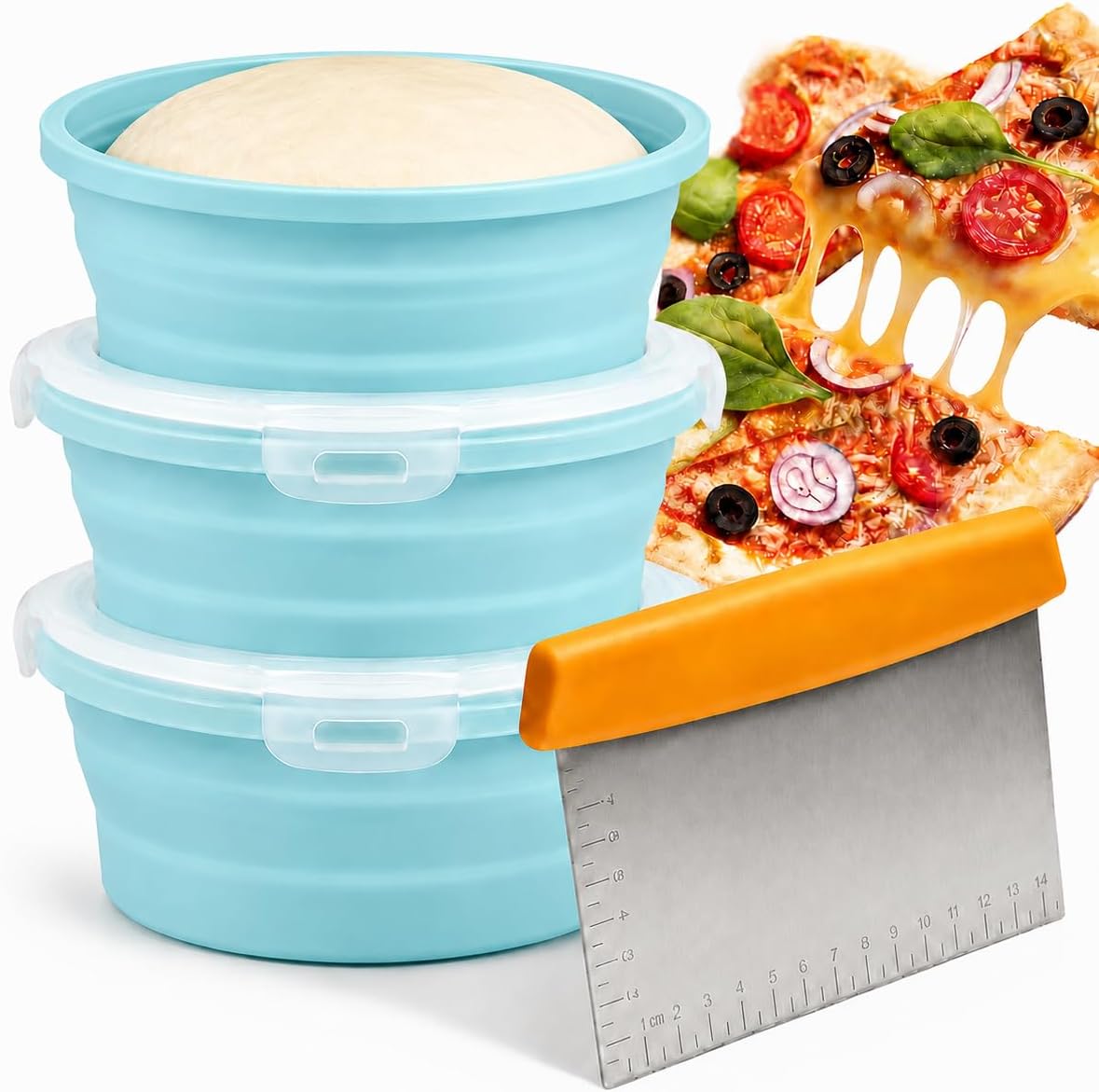
When your homemade pizza dough keeps shrinking back into a tight elastic ball during stretching, improper resting or moisture loss during fermentation is often the culprit. Controlling the environment where your dough rises helps gluten relax so you can roll out uniform crusts without constant snapback. Using dedicated proofing containers traps essential humidity and maintains consistent temperatures while individual portions develop their structure.
Selecting the right vessel depends on whether you prefer compact silicone trays, collapsible designs for tight storage, or heavy-duty glass and large-batch boxes. Each option offers unique sealing mechanisms and capacity ratings to keep your dough soft, pliable, and easy to shape. Exploring these different proofing solutions helps you find the ideal match for your kitchen setup and baking routine.
As an Amazon Associate, StacyLaughs earns from qualifying purchases.
Buying guide
Material Composition and Durability
Choosing the ideal material for your proofing container directly impacts how easily sticky dough releases and how long the vessel lasts through frequent baking sessions. Flexible silicone offers effortless folding and collapsible storage, while heavy-duty glass provides exceptional stain resistance and high-heat versatility. Rigid polypropylene gives you lightweight durability for managing massive bulk batches without extra bowls.
Consider your typical kitchen cleanup routine and available storage constraints when evaluating these different structural options. Flexible silicone surfaces need careful handling around sharp kitchen utensils, whereas glass requires separate care instructions for its matching lids. Matching the material properties to your daily habits ensures your baking accessories remain reliable over years of frequent use.
Capacity and Portion Sizing
Selecting the correct volume capacity prevents your dough from overflowing or forcing lids open prematurely during active fermentation stages. Individual vessels holding around 400 to 650 milliliters comfortably accommodate single pizza balls ranging from 180 to 400 grams. Larger multi-liter boxes handle bulk recipes and high-hydration doughs effortlessly, giving your gluten network plenty of room to develop properly.
Think carefully about whether you prefer dividing your dough immediately after mixing or letting a massive batch rest together in one place. Individual cups keep portions completely separate to prevent sticking, while large bulk boxes let you perform stretch and fold techniques easily. Aligning container capacity with your preferred recipe style prevents dough shrinkage issues caused by improper environmental spacing.
Sealing Mechanisms and Moisture Control
Maintaining adequate humidity around your rising dough stops a dry outer crust from forming and causing uneven stretching resistance later. Airtight snap lids trap natural moisture effectively during extended room-temperature proofs and long cold fermentation schedules. Clear lid designs also let you observe the rise visually without constantly releasing built-up humidity and altering the internal microclimate.
A reliable seal protects your proofing dough from absorbing unwanted refrigerator odors while maintaining stable internal temperatures throughout the rest cycle. Look for snug snap-fit closures or secure locking gaskets that keep the proofing environment entirely consistent. Proper moisture management ensures your dough stays soft, elastic, and ready to stretch smoothly without sudden snapback.
Storage Footprint and Stackability
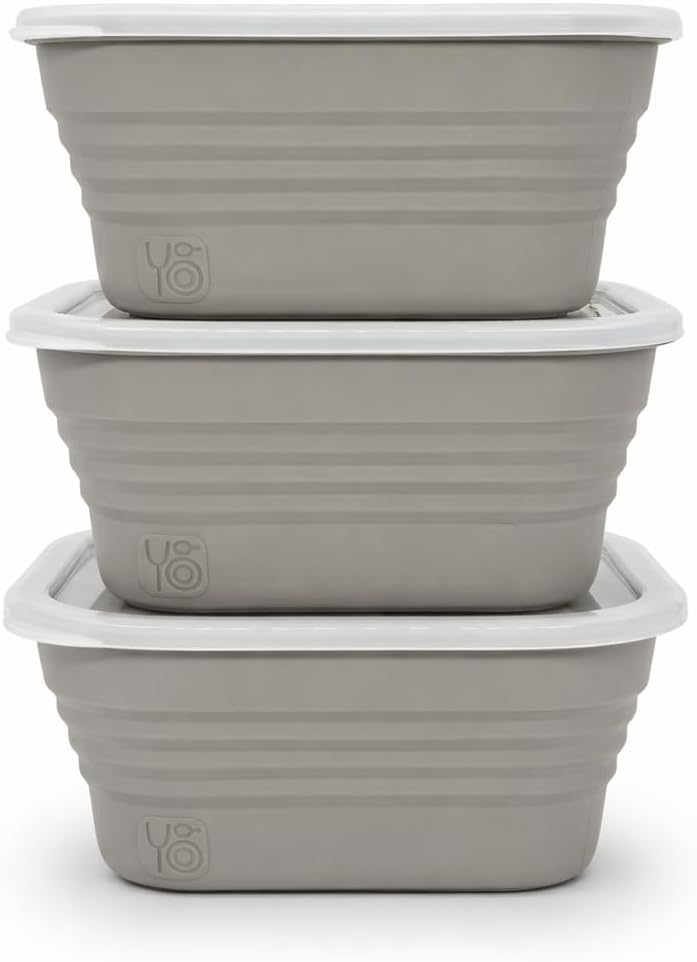
Efficient kitchen storage matters significantly when your refrigerator is already packed with fresh ingredients and other meal prep containers. Stackable proofing boxes maximize vertical shelf space, letting you organize multiple dough balls securely without creating clutter. Collapsible silicone models offer an extra space-saving advantage by folding completely flat when empty.
Measure your refrigerator shelves and kitchen cabinet clearance carefully before choosing tall bulk boxes or wide multi-packs. Low-profile stackable units slide easily onto crowded shelves without tipping over during retrieval, keeping everything stable and secure. Prioritizing space-saving designs keeps your kitchen organized and streamlines your weekend pizza-making routine from start to finish, avoiding frustrating storage jams.
Ease of Cleaning and Maintenance
Sticky dough residue can make cleaning quite tedious if your proofing containers lack smooth inner walls or proper non-stick material finishes. Dishwasher-safe silicone, glass, and polypropylene surfaces significantly simplify cleanup after a busy baking session. Selecting dishwasher-friendly components saves valuable time and effort in the kitchen.
Always check manufacturer care instructions regarding plastic lids and special reinforcing rings before running your containers through the automated dishwasher. Some delicate components require gentle hand washing to preserve their tight seals and structural integrity over time. Following these simple maintenance guidelines prevents premature wear and keeps your proofing gear hygienic for every bake.
Tracking Fermentation Progress
Monitoring how your dough expands helps you identify the exact moment it reaches peak fermentation before shaping your pizza crusts. Clear walls and transparent lids let you watch the rise closely without lifting the cover and losing precious moisture. Built-in volume markings take the guesswork out of tracking dough expansion through every stage of development.
Knowing when your dough has successfully doubled in size prevents over-proofing or under-proofing errors that lead to dense, chewy crusts. Measurement lines printed directly onto the container walls provide clear visual milestones during the bulk rise cycle. Utilizing these tracking features ensures your pizza dough develops optimal gluten structure and elastic manageability.
Frequently asked questions
Why does my pizza dough keep shrinking when I try to roll it out?
When pizza dough keeps shrinking back into a tight ball, the gluten network is usually too tense and hasn't relaxed enough. Allowing the dough to rest at room temperature covered in a dedicated proofing container helps the gluten strands relax. Additionally, if moisture escapes during fermentation, a dry skin forms on the surface, creating resistance during stretching. Using airtight proofing boxes maintains optimal humidity and gives your dough the ideal resting environment to eliminate stubborn springback.
Should I proof my pizza dough in individual containers or one large bulk box?
Choosing between individual containers and a large bulk box depends on your preferred workflow and recipe size. Individual proofing vessels keep separate dough balls completely isolated, preventing them from touching or sticking together during cold fermentation. This method is ideal if you want pre-portioned balls ready for immediate shaping. Conversely, a large bulk box lets you mix, fold, and rise a massive batch of dough together before dividing it later, making it great for high-hydration sourdough and multi-pie family baking sessions.
How do clear lids and measurement markings help prevent shrinking issues?
Clear lids and measurement markings give you precise visual control over the entire fermentation process without needing to open the container. Opening a proofing box prematurely releases accumulated humidity, causing the dough surface to dry out and develop a crust that resists stretching. By watching the rise through clear walls and tracking volume expansion against built-in markings, you can catch the dough at its peak moment of relaxation, resulting in soft, elastic dough that stretches easily without shrinking back.
Are silicone proofing containers better than glass or plastic boxes?
Silicone proofing containers offer unique advantages like flexibility, non-stick properties, and collapsible storage designs that save valuable cabinet space when empty. However, glass and rigid polypropylene boxes provide distinct benefits such as stain resistance, high-heat microwave and oven safety, or sturdy unyielding walls for stacking heavy loads. The best material depends entirely on your kitchen storage limits, cleaning preferences, and whether you value collapsible flexibility over rigid structural durability during transport and refrigerator storage routines.
How should I clean and maintain my pizza dough proofing containers?
Most silicone, glass, and polypropylene proofing container bases are fully dishwasher safe, allowing for quick and effortless cleanup after sticky baking sessions. However, you must always check specific manufacturer guidelines, as many matching plastic lids or embedded steel reinforcing rings require gentle hand washing. Keeping lids away from direct flames and abrasive cleaning tools preserves their airtight seals. Proper maintenance ensures your containers remain hygienic, preventing residual buildup and ensuring reliable performance bake after bake.