Appliances · Buying Guide
Best Tools For Pizza Dough Not Stretching Issues
Dealing with pizza dough not stretching can quickly turn a fun homemade baking night into a frustrating chore. When gluten tightens up and resists your hands, the base refuses to cooperate, snapping right back instead of flattening evenly. This common kitchen challenge often leaves bakers struggling to form a uniform crust for their favorite pies, tarts, and pastries.
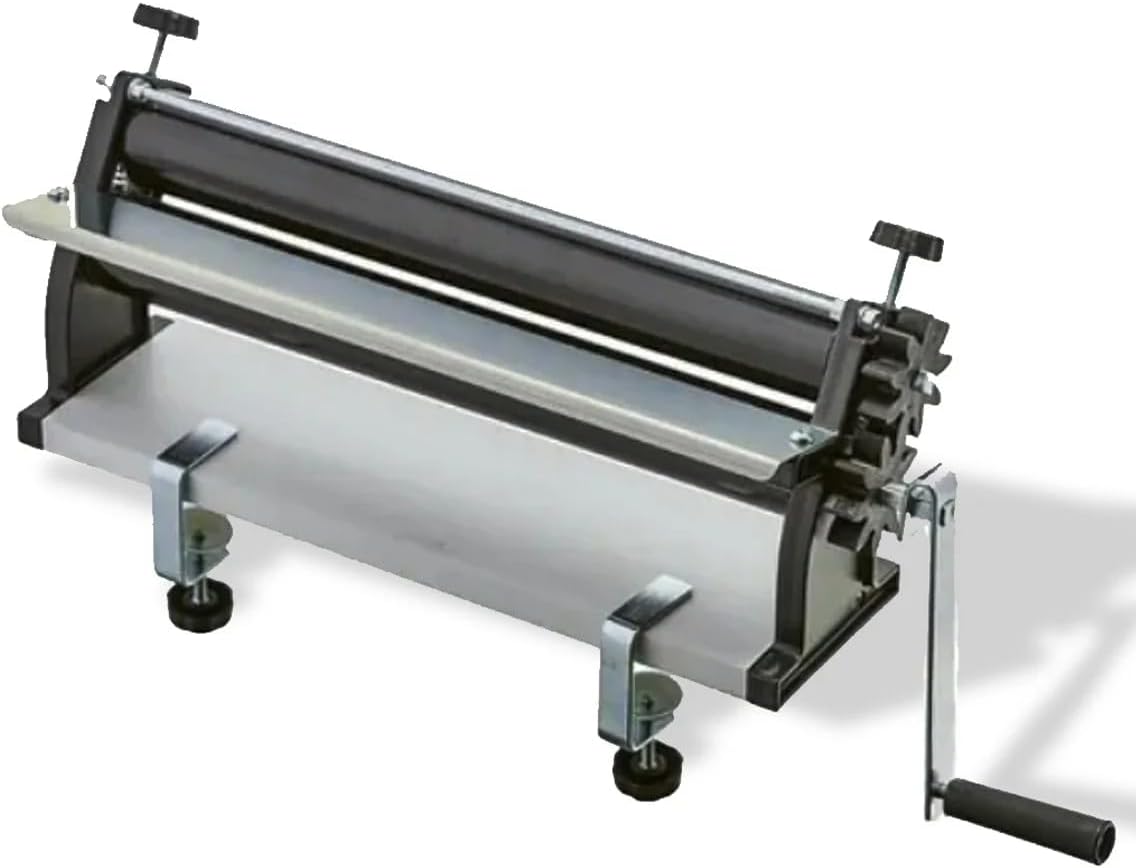
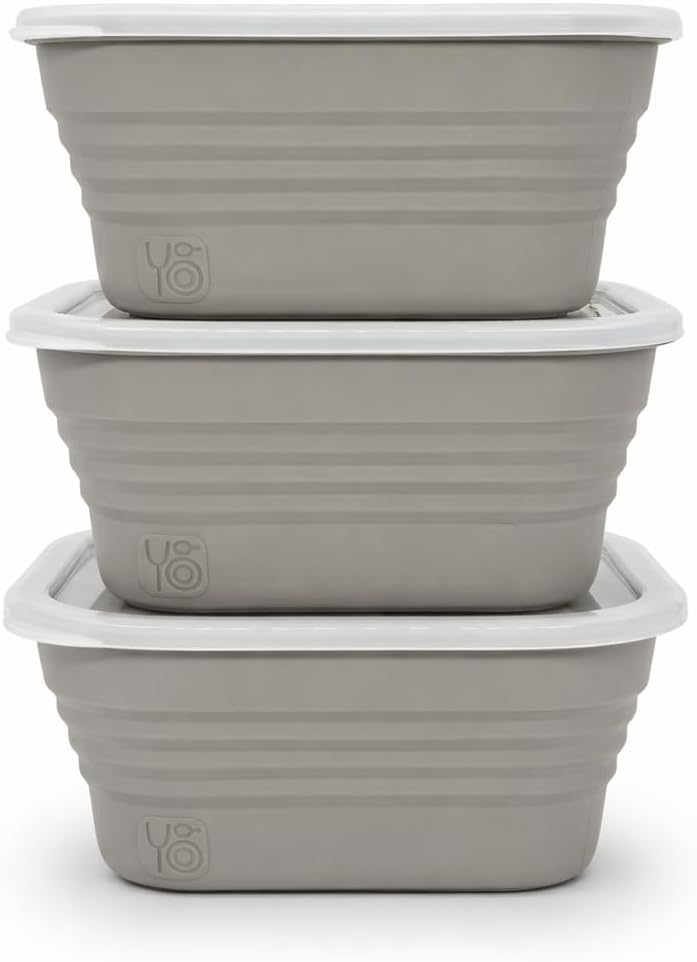
Fortunately, using the right kitchen accessories helps resolve these frustrating textural hurdles. Whether you need a manual rolling machine to flatten stubborn masses or specialized proofing containers designed to let individual portions relax properly, having the right equipment makes shaping smooth, consistent crusts much easier for home cooks at any skill level.
As an Amazon Associate, StacyLaughs earns from qualifying purchases.
Buying guide
Material Composition and Durability
Selecting baking tools crafted from robust materials ensures long-term reliability in a busy home kitchen environment. Heavy-duty stainless steel and aluminum parts provide solid resistance against mechanical wear, successfully handling repetitive pressing tasks without bending or breaking under pressure. When dealing with stubborn gluten structures that refuse to cooperate, investing in these sturdy components prevents premature equipment failure during heavy preparation sessions.
Conversely, lightweight food-grade plastics offer easier maneuverability for quick tasks like surface docking. Carefully weighing these distinct material choices against your typical baking frequency helps determine whether heavy metal machinery or portable handheld accessories best suit your daily cooking routine and available cabinet storage setup.
Capacity and Portion Sizing
Evaluating container capacity is essential when preparing multiple portions for family pizza nights or weekend baking projects. Proofing boxes holding around one thousand milliliters accommodate standard individual dough balls effectively. These specific dimensions give dense masses enough room to expand naturally during fermentation without crowding neighboring portions or sticking together prematurely inside the refrigerator storage space. Proper sizing is critical.
Matching box volume to your specific recipe scale ensures consistent texture and rise across every finished crust. Selecting appropriately sized compartments prevents wasted refrigerator space and keeps your ingredients completely organized from the initial bulk rise straight through to the final stretching process. This planning avoids kitchen chaos.
Surface Management and Docking
Controlling how your dough behaves on the counter requires effective surface management tools during preparation. Spiked rollers help puncture trapped air pockets that cause unsightly bubbles and blisters during baking. Choosing between plastic and stainless steel spike configurations directly affects how smoothly the tool glides over resistant, highly elastic dough surfaces without tearing the delicate gluten strands prematurely.
Efficient docking saves considerable preparation time compared to painstakingly using standard kitchen forks. Ensuring the roller width matches your typical baking dimensions allows you to cover large rounds swiftly, resulting in uniform crust thickness and preventing uneven rising issues across the board. Incorporating this step ensures better results.
Storage and Space Efficiency
Maximizing kitchen cabinet and refrigerator space is vital when building a comprehensive home baking toolkit. Collapsible silicone containers offer a clever solution by folding down flat when empty, reducing their vertical height significantly between baking sessions. Stackable designs further optimize crowded refrigerator shelves, allowing multiple boxes to nest together neatly without creating unnecessary clutter in your food storage zones.
Mechanical rollers require more permanent countertop or dedicated cabinet space due to their solid metallic frames and heavy weight. Balancing your available storage area against equipment dimensions ensures your kitchen remains functional, tidy, and fully organized throughout the week without feeling overwhelmed by bulky gear.
Maintenance and Cleaning Practicalities
Keeping your pizza preparation gear clean prevents residue buildup and maintains proper food safety standards in the home kitchen. Many silicone containers and metal dockers feature dishwasher-safe construction, simplifying post-baking cleanup routines significantly after a long cooking session. However, checking specific manufacturer care instructions remains important, as some clear plastic lids or specialized parts may require gentle hand washing to preserve their structural integrity over time.
Utilizing included accessories like specialized cleaning brushes helps remove sticky dough from tight crevices on spiked rollers effortlessly. Choosing easy-to-clean materials minimizes cleanup frustration, letting you spend more time enjoying your homemade meals and less time scrubbing stubborn flour residue from complex mechanisms.
Workflow Integration and Handling
Integrating new tools into your daily routine should streamline the challenging process of shaping stubborn dough masses. Manual crank machines provide mechanical assistance to flatten elastic sheets, significantly reducing physical hand strain during large batch preparation tasks. Meanwhile, dedicated proofing boxes keep individual portions organized as they rest, ensuring each ball reaches the ideal relaxed state before final stretching on the counter.
Assessing how each accessory fits your personal cooking style helps prevent purchasing equipment that ultimately sits unused in crowded cabinets. Selecting the right combination of mechanical rollers and airtight proofing containers transforms a frustrating baking hurdle into an efficient, highly manageable routine for any home cook.
Frequently asked questions
Why does pizza dough keep shrinking back when I try to stretch it?
Pizza dough shrinks back because the gluten network inside the flour is tight and elastic, causing it to snap toward its original shape. When kneading or mixing occurs, gluten strands develop tension. If the dough is worked heavily and not given enough time to relax at room temperature, it resists stretching. Using proofing containers helps individual portions rest properly, while mechanical rollers or thickness controllers can help flatten stubborn elastic masses evenly without relying purely on hand-stretching techniques.
How do pizza dough dockers prevent the crust from blistering?
Pizza dough dockers feature sharp plastic or stainless steel spikes that pierce the surface of rolled dough. When baking, trapped air pockets expand inside the crust and create large, unsightly bubbles if they have nowhere to escape. Poking uniform holes across the sheet allows steam to vent evenly during the baking process. This simple action keeps the crust flat, promotes even cooking, and prevents large blisters from ruining the texture of your homemade pizzas and pastries.
Are collapsible proofing boxes safe to use in the refrigerator and dishwasher?
Many modern proofing containers are designed with refrigerator and freezer safety in mind, allowing you to store and ferment dough portions safely throughout the week. Silicone bases typically withstand dishwasher cycles for convenient cleanup, though specific components like clear lids often require hand washing to maintain their airtight seal and structural condition. Always review the manufacturer care instructions provided with your specific set to ensure proper maintenance and longevity of the materials over time.
What is the benefit of using a manual dough roller machine instead of a rolling pin?
A manual dough roller machine replaces traditional rolling pins by using a hand crank and adjustable rollers to flatten dough sheets uniformly. This setup provides mechanical advantage, making it easier to press out stubborn, elastic dough without wearing out your arms. Built with sturdy steel and aluminum materials, these machines offer adjustable thickness controls ranging from thin sheets to thicker crusts, giving you precise control over your final baking results for pizzas, tortillas, and pastries.
How do I choose between plastic and stainless steel pizza dockers?
Choosing between plastic and stainless steel dockers depends on your preference for durability and weight. Stainless steel spikes offer enhanced sturdiness and longevity for frequent baking sessions, resisting wear over time. Food-grade plastic models provide a lightweight alternative that feels effortless to roll across delicate pastry surfaces and usually cleans quickly in the top rack of a dishwasher. Both options effectively pierce dough to prevent blistering, so your choice rests on material sturdiness and personal handling comfort.