Appliances · Buying Guide
Best Pizza Dough Proofing Containers for Homemade Bread
Baking artisan pizza or traditional bread at home requires precise fermentation management to achieve a light, airy crust with optimal texture and flavor. Using a dedicated pizza dough proofing container helps home bakers control the rising environment, keeping individual dough balls separated, protected from drafts, and properly hydrated throughout the entire cold fermentation or overnight proofing process.
Choosing the right container involves evaluating material options like food-grade stainless steel, collapsible silicone, or durable plastic, alongside capacity requirements and refrigerator storage footprints. Options range from compact individual bowls to multi-compartment trays, each offering practical advantages for kitchen organization, easy dough release, and efficient handling during busy baking preparation sessions at home.
As an Amazon Associate, StacyLaughs earns from qualifying purchases.
Buying guide
Material Selection for Dough Containers
Choosing the correct material for your dough proofing container significantly impacts thermal stability, dough release, and overall cleaning ease during baking routines. Stainless steel offers excellent thermal properties, keeping yeast fermentation environments consistent while resisting stubborn stains and lingering odors over time. However, metal lacks flexibility, meaning sticky artisan doughs require careful scraping techniques during final removal.
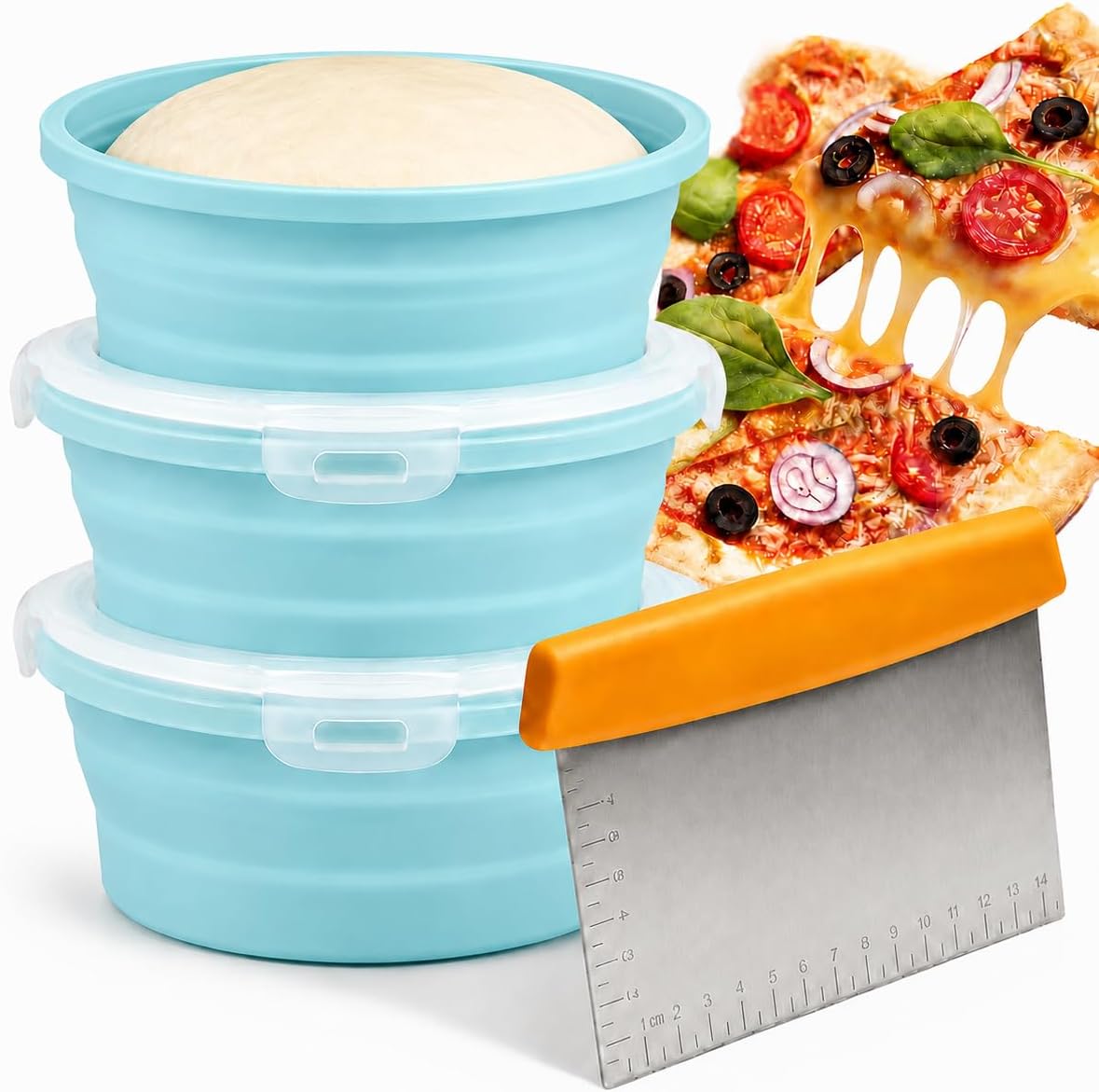
Alternatively, food-safe silicone provides natural non-stick surfaces and collapsible walls for compact kitchen cabinet storage. Some silicone boxes incorporate embedded steel frames to maintain structural rigidity during transport. Plastic trays offer lightweight handling for large multi-batch batches, though they may require more attention to prevent surface scratching over years of heavy use.
Capacity and Sizing Requirements
Sizing your proofing container correctly ensures individual dough balls have adequate room to expand without merging prematurely. Smaller individual containers holding around 1000ml to 1300ml accommodate single pizza portions comfortably, preventing cross-contamination during active fermentation. These individual vessels help maintain uniform rising temperatures across separate dough balls for predictable crust textures and professional-quality results every single time.
Larger rectangular trays accommodate multiple dough balls simultaneously, making them ideal for feeding groups or preparing big weekend baking sessions. When selecting capacity, always measure your refrigerator shelf depth and width carefully to ensure the containers fit without crowding other groceries or blocking essential air circulation channels.
Storage and Stackability Options
Kitchen storage space is often at a premium in modern homes, making stackable container designs essential for active home bakers. Vertical stacking allows you to proof multiple dough portions simultaneously in a minimal refrigerator footprint. Look for lids that nest securely or flat top surfaces that support stacked weight without shifting during overnight cold fermentation.
Collapsible silicone models offer an extra advantage by shrinking in height when emptied, freeing up crowded cabinet shelves between active baking days. Rigid metal or plastic boxes require permanent vertical storage room, so carefully evaluating your available kitchen space and refrigerator shelf clearance before purchasing ensures long-term baking satisfaction without clutter.
Lid Types and Airtight Seals
An airtight lid is crucial for successful dough proofing, protecting delicate yeast mixtures from drying out and forming an unwanted dry crust on the upper surface of the dough balls. Clear lids offer the distinct advantage of letting you monitor fermentation progress visually without lifting the cover and releasing accumulated internal humidity.
Some advanced lids feature integrated manual timers and air release valves, helping bakers manage rising schedules and internal pressure during fermentation sessions. Snap-fit or clip-on mechanisms ensure the seal remains secure, preventing expanding dough from pushing the cover open prematurely during warm room-temperature risings or extended cold storage periods.
Cleaning and Maintenance Needs
Proper sanitation is essential for food safety and preventing residual yeast buildup in your baking equipment between active uses. Most proofing containers are dishwasher safe, allowing for convenient cleanup after messy, sticky dough sessions. Stainless steel and high-grade silicone materials resist staining and lingering odors effectively, maintaining a clean surface over years of regular use.
When maintaining containers with complex parts like collapsible silicone folds, internal steel reinforcements, or manual timer lids, ensure thorough rinsing in all crevices. Following manufacturer cleaning guidance prevents flour and moisture accumulation, ensuring your baking kit remains hygienic and ready for your next batch of homemade bread or artisan pizza crust.
Multi-Purpose Kitchen Utility
While designed primarily for pizza dough proofing, many of these specialized containers offer versatile utility for other everyday kitchen food preparation tasks. Stainless steel bowls and plastic trays can easily double as mixing bowls, salad prep dishes, or marinade containers for meats. This dual functionality helps reduce kitchen clutter by serving multiple food preparation roles throughout the week.
Silicone and plastic boxes also work exceptionally well for storing leftover ingredients, fresh fruits, or crisp vegetables in the refrigerator or freezer. Selecting containers with broader utility maximizes your equipment investment, turning dedicated baking tools into reliable everyday kitchen helpers when your weekend pizza-making sessions successfully and deliciously conclude.
Frequently asked questions
Why should I use a dedicated pizza dough proofing container?
Using a dedicated pizza dough proofing container ensures that individual dough balls maintain their shape and moisture during the crucial fermentation stage. When dough balls rise in separate compartments, they do not stick together or interfere with each other's expansion, resulting in uniform textures for your crusts. Furthermore, airtight lids prevent the outer layer of the dough from drying out and forming an undesirable crust. These containers also help organize crowded refrigerators by utilizing stackable designs, making the entire home pizza-making process much cleaner and more efficient.
How much dough should I place in each proofing container?
The ideal amount of dough depends on the specific capacity of the container you are using. For standard 1200ml to 1300ml containers, manufacturers typically recommend placing about 400g of pizza dough inside, which provides the correct volume for crafting a 12 to 14-inch pizza. Smaller 1000ml boxes are often optimized for approximately 300g dough balls. Overfilling a container can restrict the rising process and push lids open prematurely, while underfilling leaves excess air space, so following these sizing guidelines ensures optimal yeast activity and consistent crust development.
Can I use these proofing containers in the refrigerator and freezer?
Many pizza dough proofing containers are engineered to withstand both refrigerator and freezer environments, making them ideal for cold fermentation schedules. Cold fermentation slows down yeast activity, allowing complex flavors to develop in the dough over 24 to 72 hours. Silicone and stainless steel options handle low temperatures reliably, but you should always verify specific material ratings before transferring containers directly from deep freezing temperatures to hot environments. Using airtight lids during cold storage keeps the dough perfectly hydrated throughout the entire resting period.
Are stainless steel or silicone containers better for dough proofing?
Both stainless steel and silicone offer distinct advantages depending on your baking preferences and kitchen storage situation. Stainless steel provides exceptional thermal stability to keep yeast temperatures consistent, resists staining, and lasts indefinitely, though it lacks flexibility. Silicone offers collapsible walls that save valuable cabinet space and flexible non-stick surfaces that make removing sticky dough balls effortless. Some silicone models even feature steel reinforcements for added stability. Your choice ultimately depends on whether you prioritize rigid durability or collapsible storage convenience.
How do I clean and maintain my dough proofing containers?
Proper cleaning ensures your proofing equipment remains hygienic for future baking sessions. Most listed containers are dishwasher safe, allowing for straightforward maintenance after handling sticky dough. When washing silicone boxes with collapsible folds or lids featuring mechanical timers and air release valves, ensure you rinse all crevices thoroughly to remove residual flour and yeast. Following manufacturer care instructions protects the materials from premature wear, ensuring your containers remain odor-free, stain-resistant, and ready for your next artisan pizza night.