Appliances · Buying Guide
Best Pizza Dough Storage Fridge Containers for Fresh Baking
Properly managing homemade pizza dough requires precise environmental control to regulate fermentation and prevent the outer crust from drying out during extended cold storage. Finding suitable containers that fit neatly inside standard household refrigerators while keeping individual dough balls safely separated is a crucial step for achieving consistent, professional-level baking results at home.
Modern specialized proofing boxes and bowls offer reliable airtight seals, space-saving stackable profiles, and durable food-grade materials specifically designed to streamline your daily kitchen routine. Whether you prefer sturdy stainless steel, flexible silicone, or rigid plastic trays, these dedicated storage solutions help maintain steady internal temperatures, protect your ingredients effectively, and maximize overall refrigerator shelf space.
As an Amazon Associate, StacyLaughs earns from qualifying purchases.
Buying guide
Material Selection and Durability
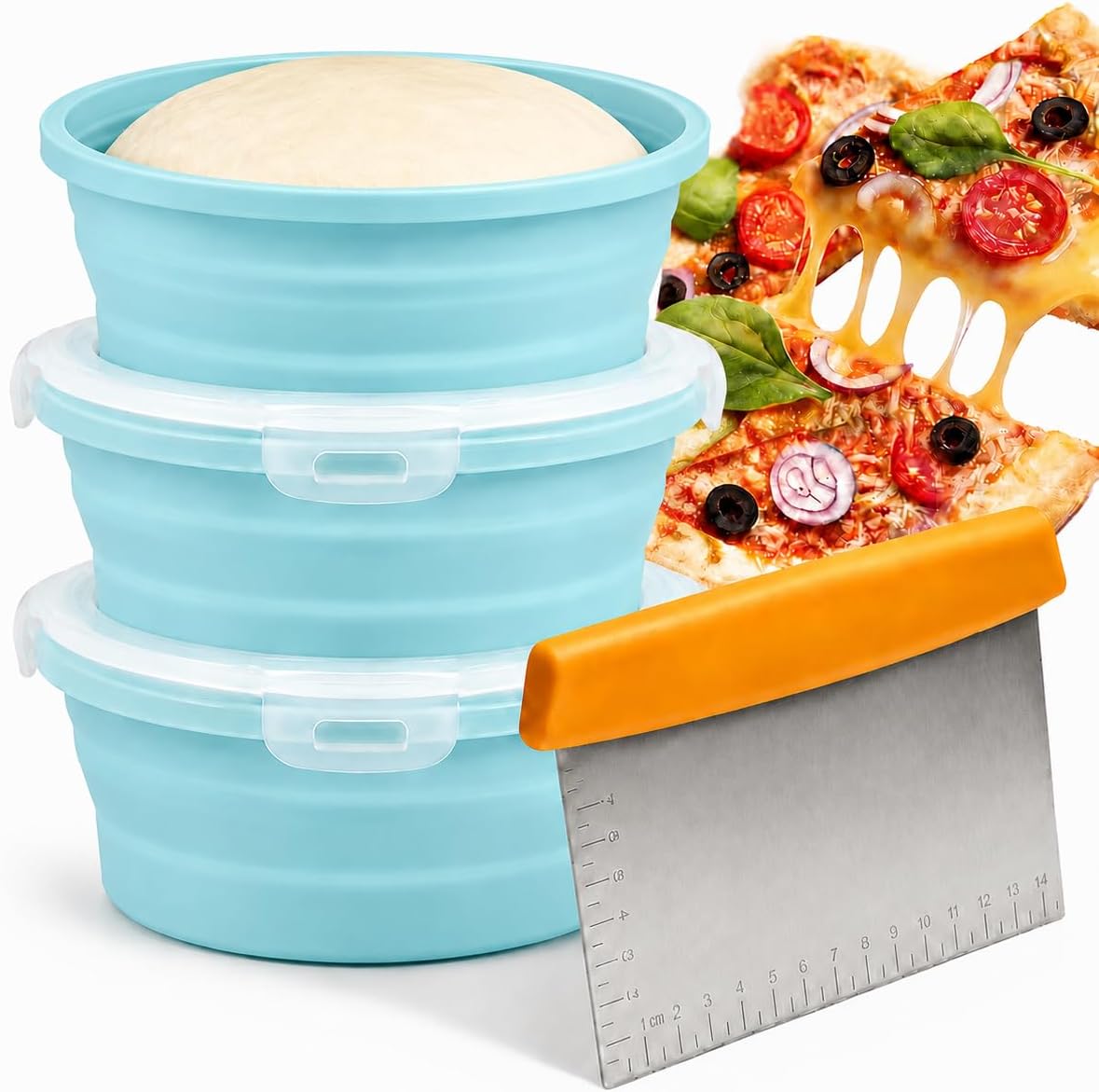
Choosing the ideal material for your pizza dough storage container directly impacts temperature retention, cleaning routines, and long-term kitchen durability. Stainless steel surfaces naturally resist lingering odors and stubborn stains while helping maintain stable internal temperatures for active yeast. Plastic offers lightweight handling alongside low-temperature resistance, whereas flexible silicone provides a collapsible structure that optimizes cramped cabinet space.
Each material introduces distinct practical trade-offs regarding weight, rigidity, and ongoing maintenance requirements. Metal bowls withstand years of heavy use without absorbing smells, whereas plastic trays provide transparent visibility or high multi-pack counts for busy bakers. Carefully evaluate your personal kitchen storage habits to select a surface material that aligns with your preferred cleanup style and physical workspace limitations.
Capacity and Sizing for Dough Balls
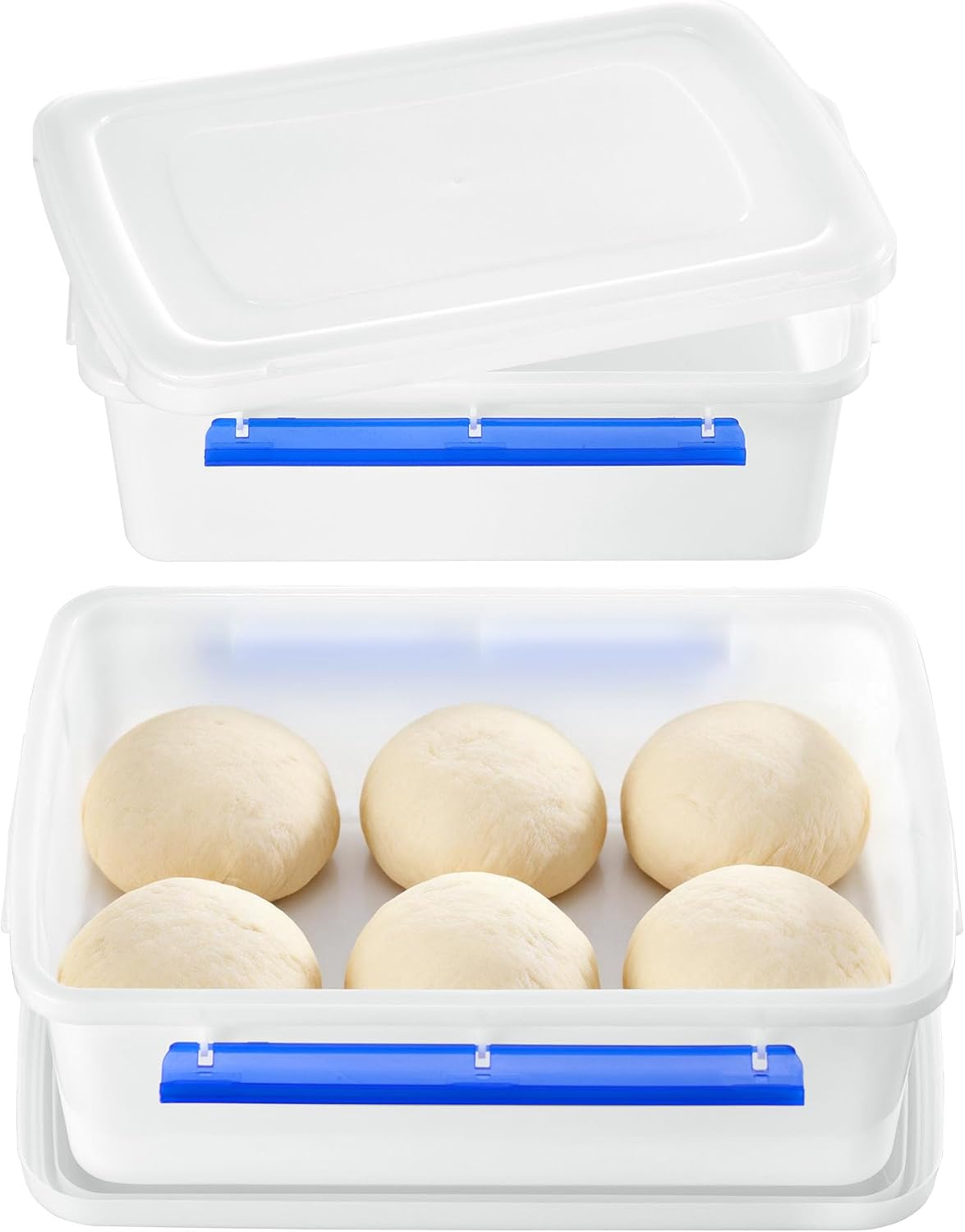
Matching container volume to your specific dough ball weight ensures proper expansion and prevents structural overflow during the active fermentation cycle. Smaller one-thousand milliliter bowls easily suit individual portions, while twelve-hundred milliliter sizes comfortably accommodate larger amounts of flour and water. Larger multi-ball boxes let you store several portions together within a single shared enclosure to streamline preparation.
Always consider your typical pizza dimensions when selecting container capacities to avoid dough cramping or insufficient rising space inside the fridge. Individual containers keep balls safely separated to prevent sticking, whereas shared boxes maximize open shelf area. Balancing individual portion control with your refrigerator layout guarantees optimal results for your regular homemade baking schedule.
Refrigerator Space and Stackability
Maximizing cold storage efficiency depends heavily on container geometry, stackable designs, and vertical shelf clearances within your household refrigerator. Stackable bowls and boxes let you build secure vertical columns, freeing up valuable horizontal shelf space for other everyday groceries. Collapsible silicone options further reduce their height when empty, making off-season cabinet storage effortless.
Wide rectangular trays require substantial shelf depth, whereas compact round bowls fit easily into narrow refrigerator corners. Always thoroughly assess your available shelf dimensions before purchasing to ensure smooth kitchen organization. Proper stacking stability also prevents accidental tipping or shifting when loading or unloading other ingredients from crowded cold storage compartments.
Lid Seals and Fermentation Monitoring
Maintaining adequate moisture during cold proofing prevents unwanted crust formation and keeps your pizza dough in optimal condition for stretching. Clear airtight lids provide a dependable barrier against dry refrigerator air while allowing easy visual progress checks without opening the container. Secure snap-fit closures and latches keep the protective seal firmly in place throughout the rise.
Certain specialized lids feature integrated manual timers and air release valves to help track fermentation duration and manage internal pressure effectively. Evaluate whether transparent windows or venting functions matter for your specific baking routine. Choosing the right lid design eliminates guesswork and protects your dough throughout extended overnight cold storage.
Cleaning and Maintenance Practicalities
Keeping your proofing containers hygienic requires understanding manufacturer cleaning guidelines and material care instructions. Many plastic and silicone options are fully dishwasher-safe, allowing for effortless cleanup after heavy baking sessions. Stainless steel units frequently specify hand washing to preserve their specialized finishes and structural integrity over years of use.
Consider how much time you prefer to spend on manual dishwashing versus running standard machine cycles. Removable gaskets, integrated timers, and complex lid mechanisms may require extra careful attention during routine maintenance. Selecting containers that match your personal cleaning preferences ensures long-term satisfaction and keeps your baking gear ready for action.
Portion Management and Batch Workflow
Managing multiple dough portions efficiently helps streamline pizza preparation for family dinners or weekend gatherings. Single-container sets let you divide ingredients accurately, giving each dough ball an independent environment to rise without mutual interference. Including handy tools like dough cutters further simplifies the initial portioning stage before proofing begins.
Large multi-ball trays reduce the total number of separate pieces to handle, though they require opening a shared space. Assess whether you prefer handling individual bowls or managing a unified tray setup for your homemade dough. Aligning your container count with your typical batch size creates a seamless workflow from mixing to baking.
Frequently asked questions
Why use dedicated proofing containers instead of standard bowls for pizza dough?
Dedicated proofing containers provide airtight seals that prevent the outer layer of your pizza dough from drying out and forming an unwanted crust during cold fermentation. Standard kitchen bowls often lack proper fitting lids, exposing the dough to circulating refrigerator air. Specialized proofing boxes also help maintain consistent temperatures, keep individual dough balls separated so they do not stick together, and feature stackable profiles that maximize your available refrigerator shelf space compared to random bowls.
How do I choose the correct container size for my pizza dough balls?
Choosing the correct container size depends directly on the weight of your dough and your target pizza diameter. Most standard single-portion containers hold between one thousand and twelve hundred milliliters, which comfortably accommodates portions designed for medium-sized pizzas. If you are making multiple pizzas, calculate whether you need individual bowls to keep balls completely separated or a larger shared tray that houses several portions together. Always check manufacturer recommendations regarding maximum gram weights to prevent overflow.
Are stainless steel proofing containers better than plastic or silicone options?
Stainless steel proofing containers offer exceptional durability, resisting rust, stains, and lingering food odors far better than traditional plastic alternatives. They also maintain stable internal temperatures effectively to support consistent yeast activity. However, plastic options provide lightweight handling and high multi-pack counts, while silicone models offer a foldable design that collapses flat to save cabinet space. Your choice depends on whether you prioritize odor-resistance, collapsible storage, or multi-tray convenience for your baking routine.
Can I store other foods in these pizza dough containers?
Yes, most dedicated pizza dough proofing containers feature versatile food-grade construction that makes them suitable for storing a wide variety of kitchen ingredients. Beyond proofing bread and pizza dough, you can use these containers to marinate meats, mix salads, store leftover meals, or prep fruits and vegetables for the week. Their airtight lids and stackable designs help keep your refrigerator organized regardless of whether you are storing active yeast dough or weekly meal prep items.
How should I clean and maintain my dough proofing boxes?
Cleaning and maintenance depend entirely on the specific materials and manufacturer instructions provided with your chosen containers. Many plastic and silicone proofing boxes are fully dishwasher-safe, allowing for hassle-free cleanup after your baking session finishes. Conversely, stainless steel models and items with specialized lid mechanisms like built-in timers or valves frequently recommend manual hand washing to preserve their structural integrity and ensure long-term performance. Always follow the specific care guidelines to protect your investment.