Appliances · Buying Guide
Best Pizza Dough Using Sourdough Starter Tools and Trays
Crafting homemade pizza dough using sourdough starter requires the right combination of fermentation jars, proofing baskets, and dedicated storage containers. Natural wild yeast cultivation transforms simple flour and water into a bubbling culture, setting the foundation for a deeply flavorful crust. Whether you are maintaining a daily feeding schedule or managing individual portions, specialized tools help streamline the entire baking process from start to finish.
Selecting proper equipment ensures your dough retains optimal hydration and structure during the fermentation cycle. From glass fermentation vessels equipped with feeding indicators to stackable silicone boxes built for cold fermentation, each accessory serves a distinct purpose in the kitchen. Exploring these specialized kits and containers helps you find the ideal setup for your unique baking space and recipe requirements.
As an Amazon Associate, StacyLaughs earns from qualifying purchases.
Buying guide
Selecting Fermentation Vessels
Choosing the right container for your sourdough starter sets the foundation for successful baking. Glass jars offer transparency so you can easily observe yeast bubble activity and volume growth. Look for jars with wide openings that simplify flour and water additions during daily maintenance routines. Accurate volume markings help you track feeding levels and determine peak fermentation stages before mixing your main pizza dough batch.
Consider whether your vessel includes thermal accessories or specialized lids for refrigerator storage. A secure cover prevents surface crusting while your culture develops strength. Selecting a jar sized appropriately for your baking frequency ensures you maintain a healthy starter without wasting excess flour. Proper vessel selection eliminates guesswork, allowing you to cultivate vigorous wild yeast for flavorful crusts every time you bake homemade pizza.
Managing Dough Capacity
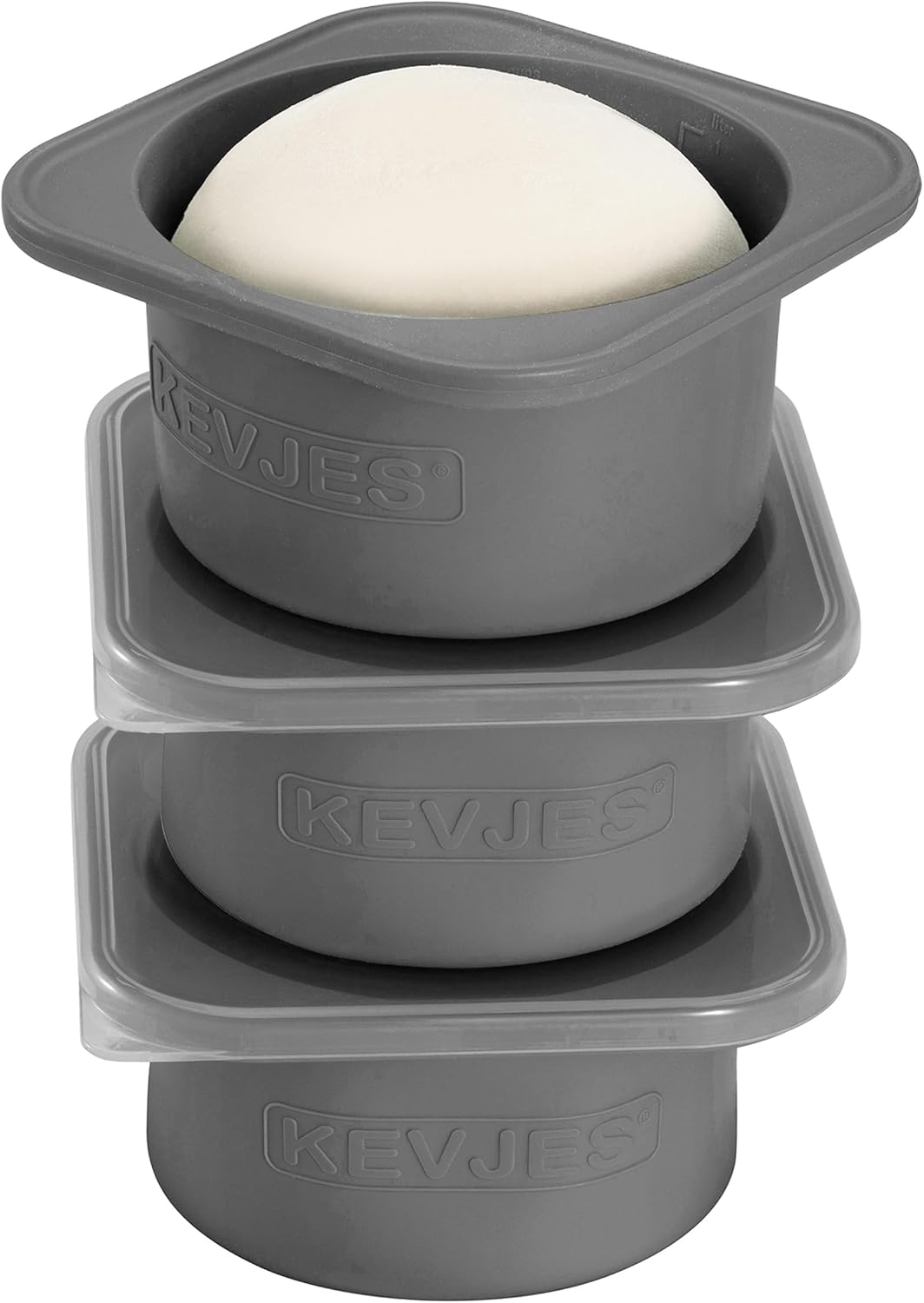
Dough volume dictates container selection, especially when working with fermented pizza recipes. Smaller 500ml trays suit individual 250g dough balls, keeping portions separate during cold fermentation. Larger 1000ml containers accommodate expansive batches required for family-sized artisan pies. Matching container dimensions to your typical baking volume prevents overcrowding and ensures your dough maintains its structural integrity throughout the resting and proofing phases.
Stackable capabilities save valuable refrigerator space when you ferment multiple dough portions simultaneously. Look for sturdy materials like steel-reinforced silicone that support vertical stacking without collapsing under weight. Airtight lids are essential to protect the dough surface from drying out while locking in moisture. Evaluating your refrigeration space helps you decide between compact individual trays and larger multi-portion proofing boxes.
Material Considerations
Kitchen tools come in various materials, each affecting maintenance routines and baking performance. Food-grade silicone offers flexibility, non-stick properties, and easy dishwasher cleanup, making it popular for modern proofing boxes. Traditional rattan baskets provide natural breathability, supporting artisanal bread crust development through optimal airflow. Glass jars give you a non-reactive environment for cultivating wild yeast cultures safely without absorbing odors or stains.
Understanding material maintenance ensures your baking accessories last for years of regular use. Silicone containers often benefit from a light oil spray to release sticky dough effortlessly. Rattan baskets require proper drying routines and gentle brushing to prevent moisture buildup after proofing. Selecting materials that align with your preferred cleaning habits keeps your kitchen workflow smooth and enjoyable.
Cold Fermentation Benefits
Cold fermenting pizza dough in the refrigerator develops complex flavors and improves crust texture significantly. Airtight containers prevent the outer dough layer from forming a dry crust during extended resting periods. Stacking boxes effectively save cold storage space, letting you prepare several portions for use throughout the week. Temperature control slows yeast activity, resulting in a mature dough that stretches easily and bakes with characteristic bubbles.
Proper container seals also keep unwanted food odors from penetrating your developing sourdough dough. Clear lids allow you to monitor expansion visually without opening the container and releasing cool air. Choosing dedicated proofing boxes ensures consistent results across every pizza you bake. Embracing cold fermentation transforms simple ingredients into pizzeria-quality crusts right in your home kitchen.
Beginner Tool Bundles
Starting your sourdough journey is easier with comprehensive accessory kits that gather essential tools in one purchase. Bundles often combine starter jars, banneton baskets, dough scrapers, whisks, and scoring lames into a single package. These collections eliminate the confusion of sourcing individual items separately. Beginner-friendly manuals or companion apps help guide you through initial starter cultivation, feeding schedules, and basic baking techniques with confidence.
Assess whether a large bundle matches your actual baking goals before making a purchase decision. While all-in-one sets provide great value, they require adequate storage space for multiple specialized accessories. If you only plan to bake occasionally, a streamlined kit with fewer pieces might suit your kitchen better. Choosing the right bundle ensures you have practical tools without overwhelming your cabinet space.
Maintenance and Care
Proper upkeep extends the lifespan of your sourdough starter jars and dough proofing containers. Follow manufacturer care instructions, noting whether items require gentle hand washing or tolerate dishwasher cycles. Glass jars and silicone boxes generally clean up quickly with warm soapy water. Rattan proofing baskets demand completely dry storage environments to maintain their natural integrity over years of regular artisan baking.
Regular cleaning prevents flour buildup and maintains food safety standards across all your baking supplies. Store washable liners and cloth covers properly between baking sessions to keep them fresh. Establishing a routine maintenance habit protects your investment in quality kitchen accessories. Well-cared-for tools remain ready to support your next batch of homemade sourdough pizza dough whenever inspiration strikes.
Frequently asked questions
Why is sourdough starter recommended for pizza dough?
Sourdough starter introduces wild yeast and lactobacilli into your flour and water mixture, creating a complex fermentation process. This natural biological leavening not only makes the dough rise but also develops rich, tangy flavors that commercial yeast cannot replicate. The slow fermentation breaks down proteins in the flour, which often results in a lighter crust that is easier to digest. Additionally, sourdough dough yields a superior texture with characteristic blistering and a chewy crumb when baked at high temperatures.
How do proofing boxes improve homemade pizza dough?
Proofing boxes provide a controlled, airtight environment that protects your pizza dough from drying out during the critical resting phase. Clear lids allow you to monitor expansion visually without disturbing the delicate fermentation process. Specialized boxes often feature stackable designs that optimize refrigerator space during cold fermentation cycles. By keeping individual dough balls separated and secure, these containers ensure uniform shape and hydration, preventing sticking and making it easier to transfer your stretched dough.
What capacity jar do I need for a sourdough starter?
A jar capacity between twenty-four and thirty-four fluid ounces provides ample space for a healthy sourdough starter to expand during peak feeding cycles. This volume allows room for the culture to double or triple in size without overflowing the container. Wide or funnel-shaped openings simplify the process of adding flour and water during daily maintenance. Choosing a dedicated glass jar with clear measurement markings also helps you accurately track feeding levels and determine when your yeast is active.
Do I need a banneton basket for pizza dough?
Banneton baskets are primarily designed to support round artisan bread loaves during their final rise rather than flat pizza dough. While traditional bread makers rely on rattan baskets to wick moisture and create decorative spiral patterns on crusts, pizza dough is typically proofed in flat trays or individual containers. If you only plan to make pizza, focusing on stackable proofing boxes or trays will suit your culinary workflow better than investing in bread-proofing baskets.
How should I clean and store my sourdough baking tools?
Cleaning methods vary depending on the specific material of your baking accessories. Glass jars and food-grade silicone boxes typically wash easily by hand or in the dishwasher, depending on manufacturer guidelines. Rattan banneton baskets require gentle brushing and thorough air drying to prevent moisture accumulation and preserve natural fibers. Always ensure every component is completely dry before storing them in cabinets to maintain hygiene and extend the lifespan of your complete baking collection.