Appliances · Buying Guide
Best Tools For When Pizza Dough Won T Stretch And Shape
When your pizza dough won t stretch and repeatedly snaps back into a stubborn, tight ball, achieving a smooth, even crust feels intensely frustrating. Frequently, trapped internal air pockets, insufficient gluten relaxation, or improper proofing environments cause uneven textures and unwanted surface blisters that completely ruin your homemade pie ambitions.
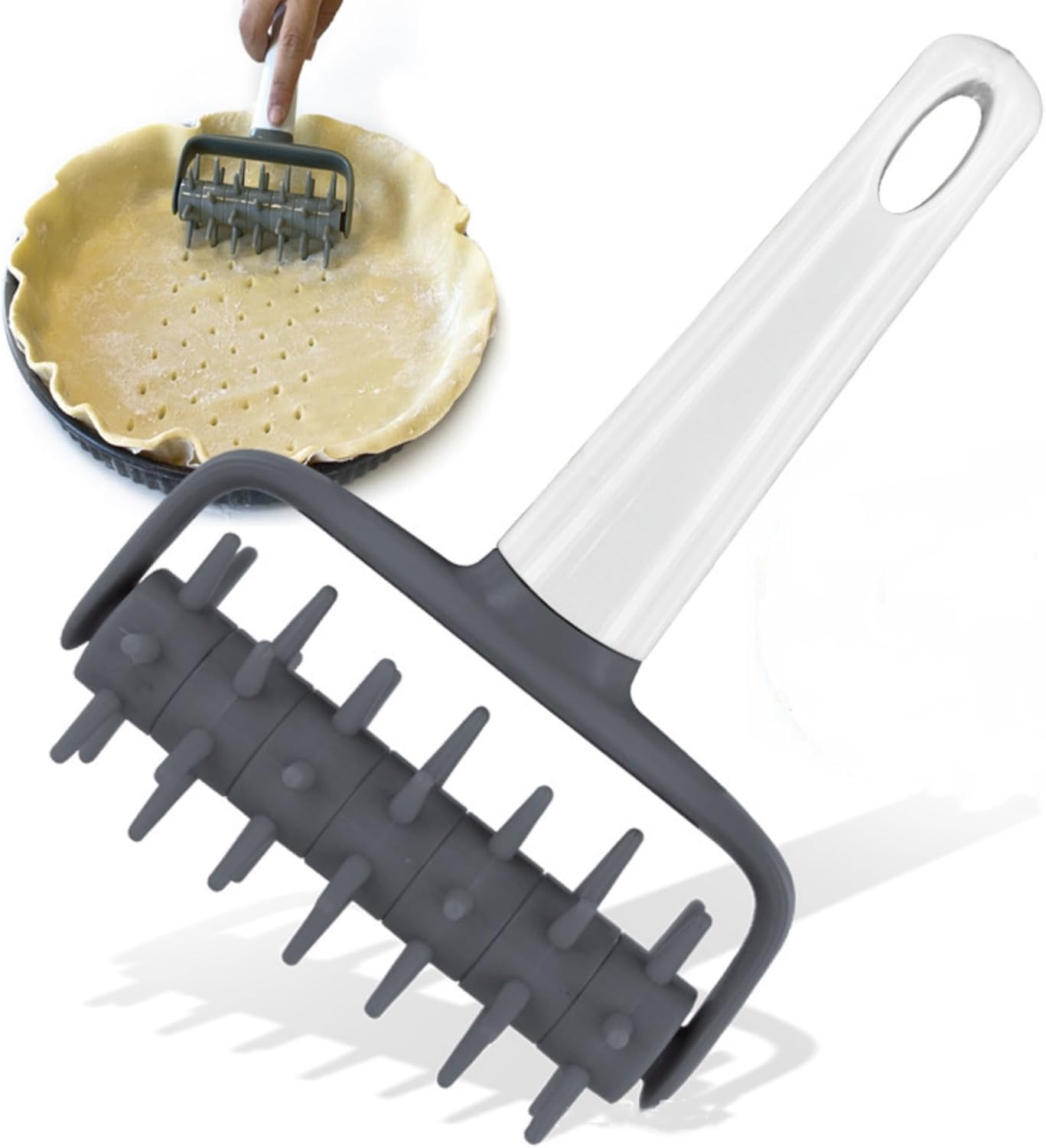
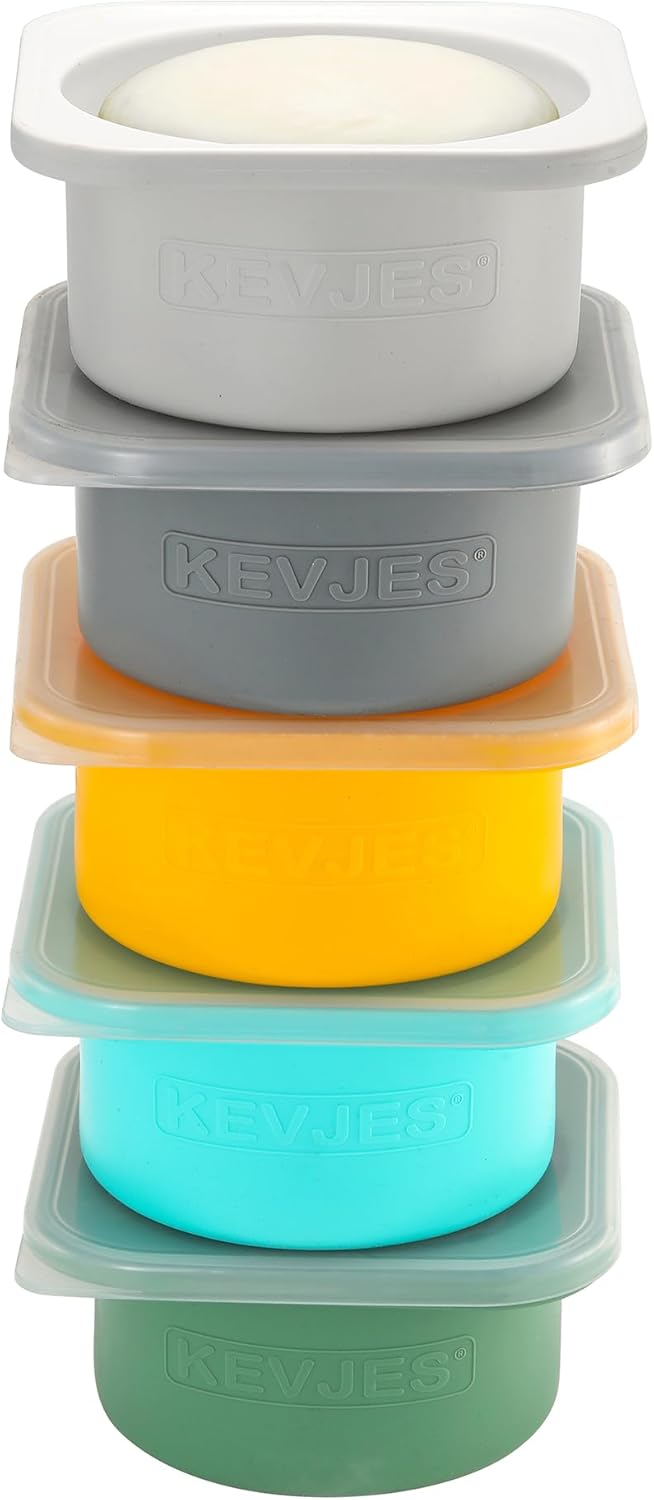
Using specialized preparation accessories helps you actively manage dough tension and drastically improve daily workability. Dedicated dough dockers pierce trapped gas bubbles instantly, while structured proofing containers let individual dough portions ferment and relax properly before final shaping. These practical tools ensure much easier handling, consistent thickness, and superior baking results in any home kitchen setup every single time.
As an Amazon Associate, StacyLaughs earns from qualifying purchases.
Buying guide
Choosing the Right Docker Material
When selecting a pizza dough docker, the blade material choice directly influences how easily the tool pierces your unyielding crust. Plastic models offer lightweight handling and resist corrosion entirely, making them exceptionally convenient for casual home bakers who want simple maintenance without extra weight during frequent baking routines.
Stainless steel spikes provide significantly greater rigidity and long term longevity, punching through stubborn, elastic dough without flexing or bending. Consider your typical baking frequency and dough density to decide whether lightweight plastic or robust metal best supports your regular kitchen tasks.
Managing Proofing Capacity and Container Size
Proofing container capacity plays a massive role in how well your dough relaxes and stretches before baking. Smaller five hundred milliliter trays work wonderfully for individual portions, keeping each ball compact and tightly sealed. However, larger family sized batches require expansive one thousand milliliter containers to give the expanding dough adequate room to rise without spilling over the edges.
Assess your typical pizza making volume to select the right container size. Matching your batch requirements prevents overcrowding and ensures every single dough ball maintains its ideal structure and moisture balance during cold fermentation in your refrigerator.
Structural Stability and Reinforcement Features
High quality proofing boxes often feature integrated steel reinforcement frames embedded directly within the silicone walls. This clever construction adds crucial structural stability, preventing the flexible containers from bowing or warping when you stack multiple trays in your refrigerator. Sturdy walls make transporting filled proofing boxes much easier and safer, reducing accidental spills or disturbances to delicate fermenting dough balls.
Evaluating these structural enhancements helps ensure your equipment withstands regular kitchen use. While standard silicone bowls work fine, steel reinforced boxes offer superior durability and reliable stacking capability for busy home chefs managing multiple dough portions throughout the week.
Airtight Seals and Moisture Control
Maintaining proper moisture balance is essential when your pizza dough won t stretch easily due to surface drying. Airtight lids protect fermenting dough balls from ambient refrigerator air, locking in vital humidity while blocking unwanted food odors. A secure seal prevents a tough outer skin from forming on your dough, ensuring optimal elasticity and smoothness during the final hand stretching process.
Look for tight fitting or clip on lids that create a dependable barrier against drying out. Proper sealing keeps your dough hydrated and elastic, giving you the best possible texture when shaping your homemade pizza crust from scratch in your kitchen.
Ease of Cleaning and Maintenance
Kitchen accessories should simplify your baking routine rather than add tedious cleanup chores. Dough dockers and silicone proofing boxes with dishwasher safe ratings save you valuable time after preparing homemade pizzas. Smooth plastic handles, stainless steel pins, and nonstick silicone surfaces allow you to rinse away flour and dough residue quickly under the kitchen faucet without hassle.
Checking maintenance requirements ensures your tools remain hygienic and ready for future baking sessions. Choosing dishwasher safe options or models that include dedicated cleaning brushes helps you keep your docker and proofing containers in top condition over years of use.
Ergonomics and Handle Comfort
Comfortable grips and thoughtful handle designs matter significantly when you are pressing and rolling multiple pizza crusts. Ergonomic handles reduce hand fatigue, allowing you to apply steady, even pressure across the dough surface without straining your wrists. Look for features like textured grips or balanced weighting that make maneuvering your docker roller smooth and effortless during meal preparation.
Additionally, built in hanging holes or compact profiles make storing these tools straightforward in crowded kitchens. Prioritizing comfortable ergonomics ensures that preparing homemade pizza crust remains an enjoyable and physically effortless experience every time you bake.
Frequently asked questions
Why does my pizza dough keep shrinking back when I try to stretch it?
When pizza dough persistently shrinks or refuses to stretch, it usually means the gluten network is overly tight and under significant internal tension. Allowing the shaped dough ball to rest undisturbed at room temperature for twenty to thirty minutes lets the tight gluten strands relax significantly, making expansion much easier. Additionally, using dedicated proofing containers helps manage controlled fermentation properly, while specialized docking tools pierce trapped gas pockets that fight against your manual shaping and stretching efforts.
Do I need a dough docker if my crust always bubbles up in the oven?
If your pizza crust constantly forms large, unwanted blisters and puffs up unevenly during baking, a dough docker is an extremely practical accessory. Rolling the spiked tool across your flattened dough creates small, orderly punctures that allow trapped steam and air to escape safely. This simple step prevents massive air pockets from forming, resulting in a flatter, more uniform crust texture for your homemade pizzas, pies, and flatbreads.
How do I keep my pizza dough from sticking inside proofing containers?
To prevent dough from sticking to proofing containers, many experienced home bakers recommend lightly spraying the interior surface with cooking oil before placing the ball inside. Nonstick silicone materials also help minimize adhesion, making it much easier to slide the proofing dough out cleanly when you are ready to stretch and shape it. Choosing airtight containers with smooth interior walls ensures your dough retains its ideal round shape without tearing.
What is the advantage of using steel reinforced proofing boxes?
Proofing boxes featuring inlaid steel reinforcement frames offer exceptional structural stability compared to standard, flexible silicone trays. When you stack multiple containers filled with heavy dough balls inside your refrigerator, the rigid steel frame prevents the boxes from bowing or collapsing. This robust design protects your fermenting dough from accidental squishing, ensures even stacking, and extends the overall durability of your baking equipment through frequent kitchen use.
Should I choose a plastic or stainless steel pizza dough docker?
Choosing between a plastic and stainless steel docker depends on your personal baking preferences and dough density. Plastic docker rollers are lightweight, corrosion resistant, and very easy to handle for casual baking tasks. On the other hand, stainless steel spike models offer greater rigidity and robust piercing power, making them exceptionally efficient when working through tough or chilled dough. Both styles clean up easily and help prevent unwanted crust blistering.