Appliances · Buying Guide
Best Pizza Steel for Oven: Choosing the Right Heavy-Duty Baking Plate
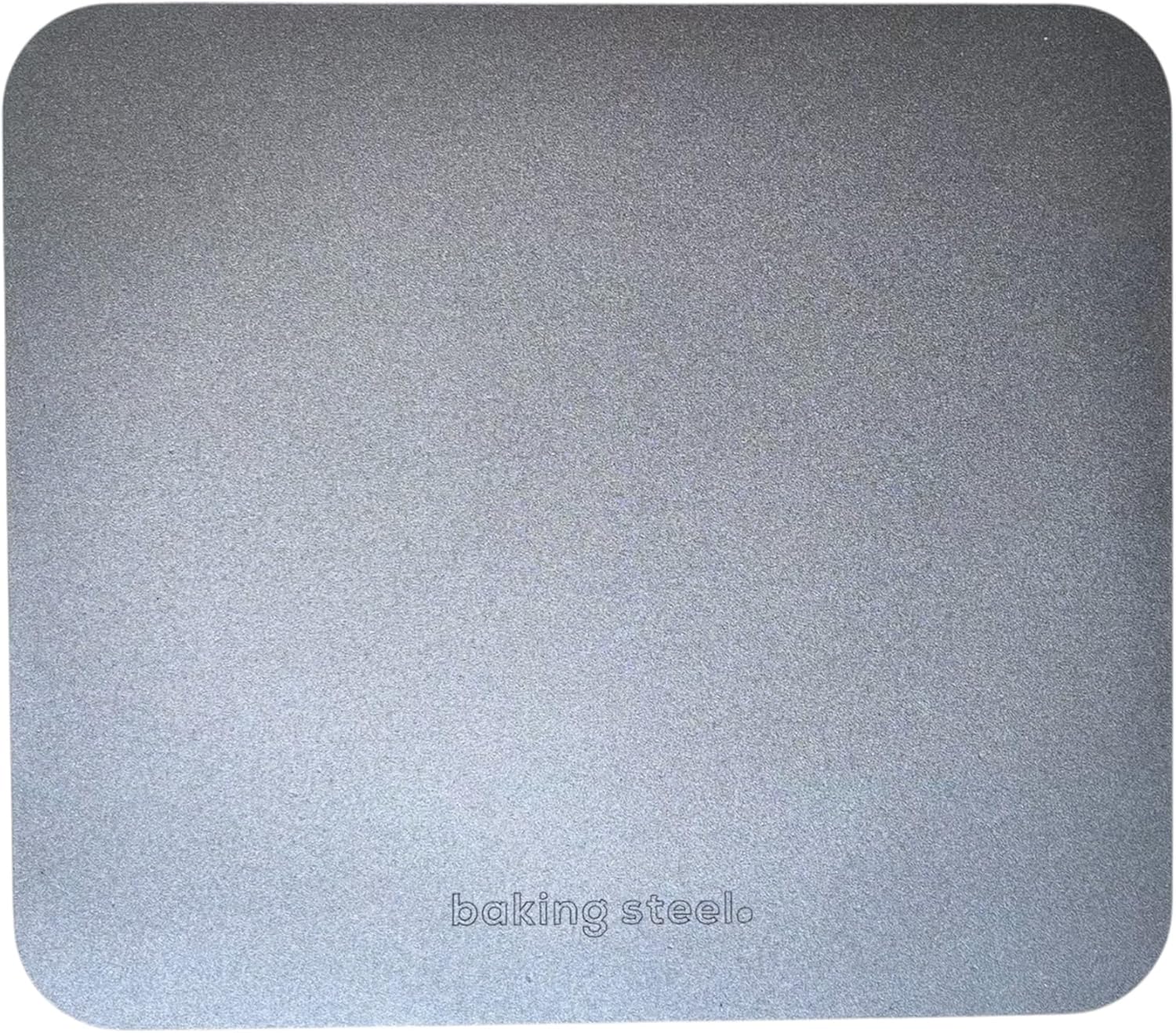
Upgrading your homemade pizza routine starts with ditching fragile ceramic stones for a durable metal baking surface. A quality pizza steel for oven use conducts thermal energy far more efficiently than traditional ceramic, transferring intense, even heat straight into your raw dough for that sought-after pizzeria crispness and deep-brown crust every single time.
Whether you are baking artisan sourdough loaves, savory flatbreads, or large family-size pies, choosing the right metal thickness and surface dimensions ensures reliable heat retention and steady performance. We examine five popular steel baking plates to help you find the ideal match for your specific oven dimensions and cooking style.
As an Amazon Associate, StacyLaughs earns from qualifying purchases.
Buying guide
Material Composition and Heat Transfer
When shopping for a pizza steel for oven cooking, material composition dictates how efficiently thermal energy transfers into your dough. Low-carbon and carbon steel plates conduct heat dramatically faster than traditional ceramic baking stones. This rapid transfer helps set bottom crusts quickly, creating that classic crisp texture without requiring excessively high ambient kitchen temperatures.
Unlike ceramic options that risk cracking from thermal shock over time, solid metal plates are virtually indestructible. They absorb intense oven heat and distribute it evenly across the entire cooking surface. Selecting a pure steel plate ensures long-term durability, letting you bake countless pizzas, flatbreads, and artisan loaves year after year without structural failure.
Thickness and Heat Retention
Thickness is a critical factor when evaluating baking plates for home use. A quarter-inch thickness strikes a reliable balance between reasonable preheating times and sufficient thermal mass. Plates built to this standard heat up within standard timeframes while storing enough energy to bake consecutive pizzas without experiencing a significant drop in cooking temperature.
Thicker plates hold more heat for heavy back-to-back baking sessions, but they also require much longer preheat cycles before reaching optimal cooking temperatures. Thinner options heat up faster but may struggle to maintain steady heat when launching multiple pies in a row. Consider your typical baking volume and patience level to choose the ideal thickness.
Sizing and Oven Compatibility
Before selecting any baking plate, measuring your oven interior depth and rack width is essential. Standard home ovens accommodate sixteen-inch square or rectangular plates comfortably, but smaller European or apartment-sized appliances often require compact thirteen-inch models. Ensuring proper clearance around all edges allows adequate hot air circulation during the extended preheating process inside the oven cavity.
Choosing the right dimensions also dictates your maximum pizza diameter. Wider surfaces provide extra room for stretching large homemade dough rounds or baking multiple smaller flatbreads simultaneously. Matching the plate size to your specific oven rack guarantees a secure fit, preventing awkward angles or stability issues when loading and unloading heavy food items safely.
Surface Preparation and Seasoning
Raw steel plates typically ship shot-blasted rather than pre-seasoned, requiring an initial home seasoning process before your very first baking session. This straightforward procedure involves washing the metal, applying a thin coat of high-smoke-point cooking oil, and baking it at a moderate temperature for an hour to build a protective, non-stick polymer layer.
Pre-seasoned options allow you to skip this initial preparation step and start baking right out of the box. Over time, both types develop a natural dark patina that improves with every single use. Following manufacturer maintenance guidelines ensures your baking surface remains rust-free and functional for years of dependable regular home cooking.
Versatility Beyond Pizza
While designed primarily for pizza, a heavy metal baking plate functions as an exceptionally versatile kitchen tool. You can place the steel inside a standard home oven, position it over multiple gas or electric burners on your stovetop, or set it directly on an outdoor barbecue grill for high-heat searing tasks.
This multi-surface capability lets you bake artisan sourdough bread, roast hearty vegetables, cook breakfast items, or smash burgers on a smooth flat surface. Choosing a model that handles direct flame without warping expands your cooking repertoire far beyond traditional pizza routines, making the equipment investment worthwhile for everyday home meal preparation tasks.
Maintenance and Cleaning Care
Proper maintenance keeps your metal baking plate in top condition and prevents unwanted rust accumulation over time. Most manufacturers recommend simple hand washing with warm water only, avoiding harsh dish soaps that can strip away the accumulated seasoning patina. Drying the metal thoroughly after washing is vital for carbon steel and low-carbon surfaces alike.
Storing the plate in a dry kitchen environment prevents moisture from forming surface blemishes between uses. If minor rust spots ever appear, a quick scrub and re-seasoning restore the cooking surface easily. Adhering to these basic upkeep routines guarantees your steel plate remains a reliable, long-lasting fixture in your home kitchen toolkit.
Frequently asked questions
How long should I preheat a pizza steel for oven baking?
Preheating your baking steel properly is essential for achieving a crisp crust because the metal needs adequate time to absorb and store thermal energy. Most manufacturers recommend placing the steel on an upper or middle oven rack and preheating your oven to its maximum temperature—often around 500 degrees Fahrenheit—for forty-five to sixty minutes before baking. Rushing this preheating cycle prevents the steel from reaching the high temperatures required to bake the pizza base quickly and evenly.
Can I use a pizza steel on an outdoor grill or stovetop?
Yes, many high-quality carbon steel baking plates are designed for versatile multi-surface use, including outdoor charcoal or gas grills and stovetops. Because low-carbon steel withstands extreme heat and handles direct flame without cracking like ceramic stones, you can successfully use it as a flat-top griddle for smash burgers, flatbreads, or roasted vegetables. Always check the specific manufacturer guidelines for your exact model to confirm whether it spans multiple burners or handles open flames safely during outdoor cooking sessions.
Do I need to season my pizza steel before using it?
Whether you need to season your baking plate depends entirely on how it ships from the manufacturer. Some steel plates arrive factory pre-seasoned and ready for immediate baking right out of the box, allowing you to skip initial preparation. Other raw steel models ship shot-blasted and require a one-time seasoning process at home, which involves washing the metal, applying a thin coat of oil, and baking it in your oven for an hour to build a protective non-stick patina.
How do I clean and maintain my baking steel after use?
Cleaning and maintaining a metal baking plate is straightforward if you follow basic manufacturer care instructions. Always allow the steel to cool down completely before handling or washing it. Wash the surface by hand using warm water only, avoiding harsh dish soaps or automatic dishwashers that can strip away the natural seasoning patina. After washing, dry the metal thoroughly with a towel or low heat to prevent rust from forming on carbon steel surfaces during storage.
Will a pizza steel crack under high oven temperatures?
Unlike traditional ceramic or stone baking surfaces that are prone to shattering from thermal shock when exposed to rapid temperature changes, solid metal baking steels are virtually indestructible. They are engineered to handle extreme oven temperatures reaching up to one thousand degrees Fahrenheit or more without cracking or breaking. This robust metal construction provides peace of mind when baking at maximum heat, ensuring your cooking surface remains structurally sound over years of frequent use.