Appliances · Buying Guide
Best Pizza Steel Options for Crispy Crusts at Home
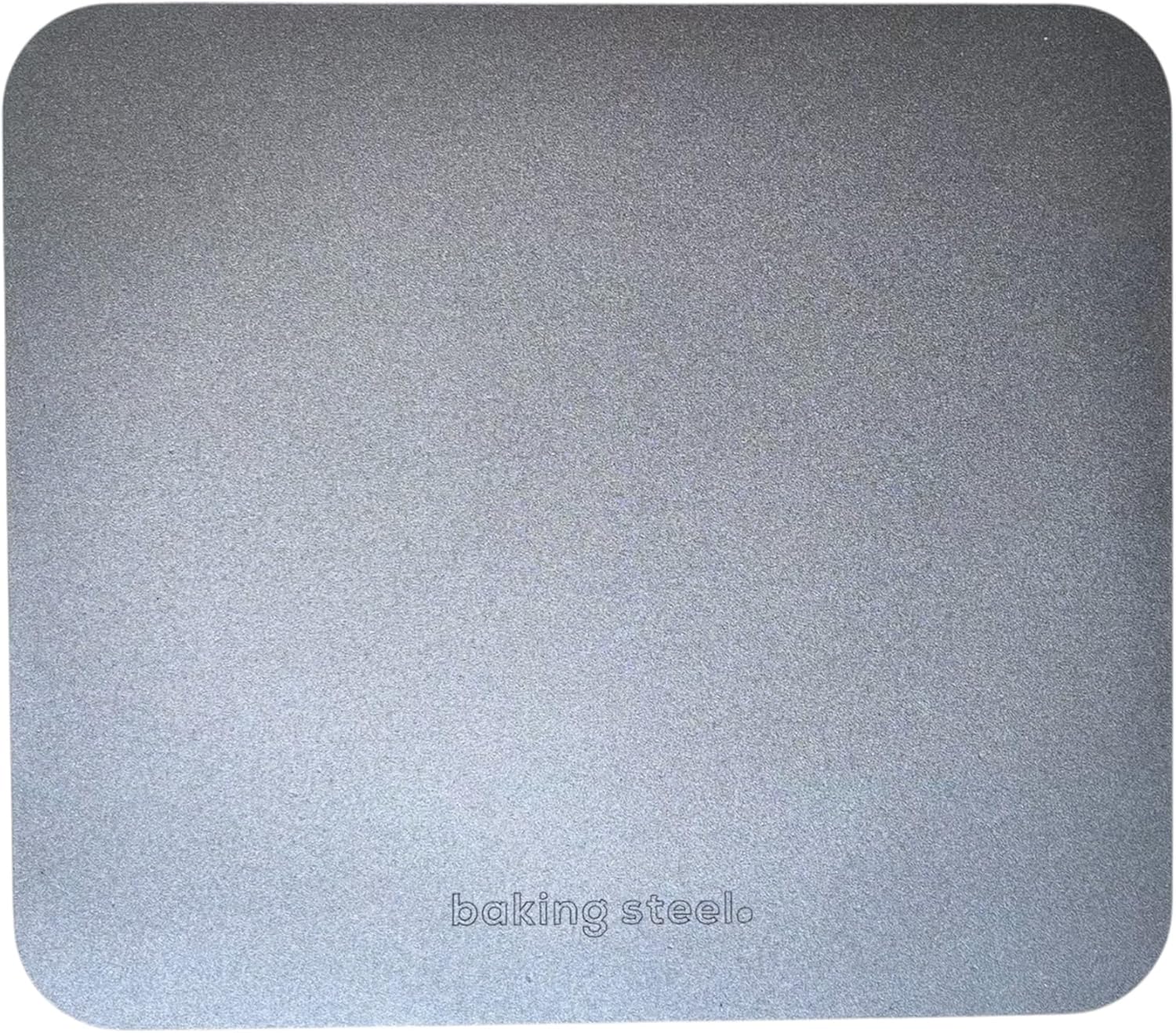
Finding the right baking surface can completely change how you bake flatbreads, artisan loaves, and pies in a standard home kitchen. Switching from fragile ceramic options to heavy metal slabs allows home bakers to harness high thermal conductivity for evenly browned crusts. These durable metal plates absorb heat quickly and transfer it efficiently directly into the dough.
Whether you prefer cooking outdoors on an open flame or inside your kitchen oven, a solid carbon or low-carbon steel sheet handles intense temperatures without cracking. Selecting the ideal size and thickness depends on your oven dimensions, baking style, and how many portions you plan to prepare in a single session.
As an Amazon Associate, StacyLaughs earns from qualifying purchases.
Buying guide
Material Composition and Thermal Conductivity
Choosing a metal baking plate over traditional ceramic stones fundamentally changes how heat transfers into your bread and pizza dough. Carbon steel and low-carbon steel offer vastly superior thermal conductivity, moving heat directly into the base of the pie to create crisp crusts quickly. Unlike fragile ceramic alternatives that can shatter under extreme thermal shock, solid metal slabs remain virtually indestructible during high-heat preheating cycles.
When evaluating options, look for sturdy metallic construction that handles temperatures up to one thousand degrees Fahrenheit safely. This resilience allows you to transition the plate seamlessly from standard kitchen ovens to outdoor grills or campfire setups. Understanding these foundational material benefits helps ensure you select a durable cooking surface built to withstand decades of regular baking tasks.
Thickness Options and Heat Retention
Thickness plays a critical role in determining how well a baking plate retains and distributes thermal energy during a cooking session. A quarter-inch thickness provides the most versatile balance for home kitchens, heating up within a reasonable timeframe while holding enough thermal mass to bake multiple pies. Thinner variations heat faster but lack sustained heat retention, while thicker slabs demand extended preheat durations.
Balancing plate thickness against your schedule ensures you do not waste electricity or gas waiting hours for the metal to reach cooking temperature. Consider how often you bake back-to-back portions when deciding whether a standard or heavy-duty profile fits your routine. Proper thickness matching prevents uneven crust browning and optimizes overall kitchen efficiency.
Sizing and Oven Compatibility
Before purchasing any metal cooking plate, carefully measure your oven interior depth, width, and rack dimensions to guarantee a safe fit. Standard ovens easily accommodate fourteen or sixteen-inch widths, but compact or European-style appliances may require smaller dimensions to allow proper airflow and door closure. Leaving enough space around the perimeter prevents trapped heat from damaging your appliance controls.
Rectangular and square configurations offer different layout advantages depending on what you plan to bake most frequently. Wider surfaces accommodate elongated artisan loaves or family-sized pies, whereas more compact squares fit neatly inside restricted kitchen cavities. Taking precise measurements beforehand eliminates frustrating return hassles and ensures your chosen plate slides smoothly onto your existing oven racks.
Seasoning and Maintenance Requirements
Maintaining a raw metal cooking surface requires understanding proper seasoning techniques and regular hand-washing routines. Many metal plates ship shot-blasted, requiring an initial oiling and baking cycle to build a protective non-stick patina, while other options arrive pre-seasoned for immediate use. Over time, regular cooking helps develop a dark, seasoned layer that improves food release and protects against oxidation.
Cleaning instructions typically advise using warm water and hand-washing without harsh dish soaps or chemical detergents that can strip the developing seasoning. Following manufacturer care guidelines preserves the protective coating and extends the lifespan of your baking plate significantly. Simple scraping and thorough drying after each use keep the metal in optimal condition for future meals.
Weight and Handling Considerations
Solid metal baking plates possess substantial physical weight, often ranging from thirteen to nearly eighteen pounds depending on their dimensions and thickness. This heavy mass is necessary for heat retention, but it introduces lifting challenges when transferring the hot slab in and out of the oven. Some models feature built-in lifting holes or come paired with wooden peel accessories to assist with safe maneuvering.
Assessing your own comfort level with heavy cast or carbon metal items helps prevent accidents during kitchen tasks. If managing a fifteen-pound steel sheet feels burdensome, consider selecting a slightly smaller or lighter configuration. Prioritizing secure handling features ensures you can cook comfortably without risking burns or dropping hot cookware.
Multi-Surface Cooking Versatility
A quality metal baking plate is rarely limited to indoor oven pizza preparation, as its robust construction excels across multiple cooking environments. Many models work exceptionally well on outdoor charcoal or gas grills, functioning as flat-top griddles for searing smash burgers or roasting vegetables. Some square versions even span across two burners on standard kitchen ranges.
Evaluating how often you cook outdoors or use stovetop burners can guide you toward a versatile model that doubles as a griddle plate. Choosing a rugged carbon steel design allows you to experiment with flatbreads, breakfast foods, and artisan sourdough loaves across various heat sources. This flexibility expands your culinary repertoire beyond traditional oven-baked meals.
Frequently asked questions
How do I clean and maintain a metal baking plate after cooking?
Cleaning a metal baking plate is a straightforward process that does not require harsh chemical detergents or scouring pads. After the plate has cooled down completely, use a rigid spatula or scraper to remove any stuck-on food residue. Rinse the surface with warm water only, and dry it thoroughly with a towel or low-heat oven cycle to prevent rust formation. Avoid using regular dish soap, as it can strip away the natural non-stick seasoning patina that builds up with regular use over time.
Do I need to season a new metal baking sheet before using it?
Seasoning requirements depend entirely on the specific manufacturing finish of the plate you purchase. Some carbon steel models ship shot-blasted rather than pre-seasoned, meaning you must perform an initial conditioning step before your first bake. This involves washing the plate, applying a very thin layer of cooking oil across all surfaces, and baking it in your oven at a moderate temperature for about one hour. Other options arrive factory pre-seasoned and ready for immediate cooking without extra preparation.
Why are these metal plates better than traditional ceramic stones?
Metal baking plates offer significantly higher thermal conductivity compared to standard ceramic stones, transferring heat into dough up to twenty times faster. This rapid energy transfer helps set and brown pizza crusts evenly at standard home oven temperatures. Furthermore, solid metal sheets are virtually indestructible and will never crack or shatter from thermal shock, whereas ceramic stones are prone to breaking if subjected to sudden temperature shifts or accidental drops during handling.
Can I use my baking plate on an outdoor grill or campfire?
Many heavy-duty carbon and low-carbon steel plates are specifically engineered to withstand direct flames and extreme temperatures up to one thousand degrees Fahrenheit or higher. You can place them directly onto outdoor gas or charcoal grills to use as a flat-top griddle for searing meats, roasting vegetables, or baking outdoor pizzas. Always verify the manufacturer temperature limits and dimensions before placing any steel plate over an open campfire flame or high-output grill burner.
How long should I preheat the metal plate before baking a pizza?
Achieving optimal crust results requires preheating your oven and baking plate thoroughly for forty-five to sixty minutes before cooking. Because these heavy metal slabs absorb and store large amounts of thermal energy, giving them sufficient time to heat up ensures the surface is hot enough to bake a pizza in under ten minutes. Skipping this vital preheating window will result in an undercooked crust because the steel will not have reached its peak cooking temperature.