Appliances · Buying Guide
Best Pizza Steel Options for Crispy Home-Baked Crusts
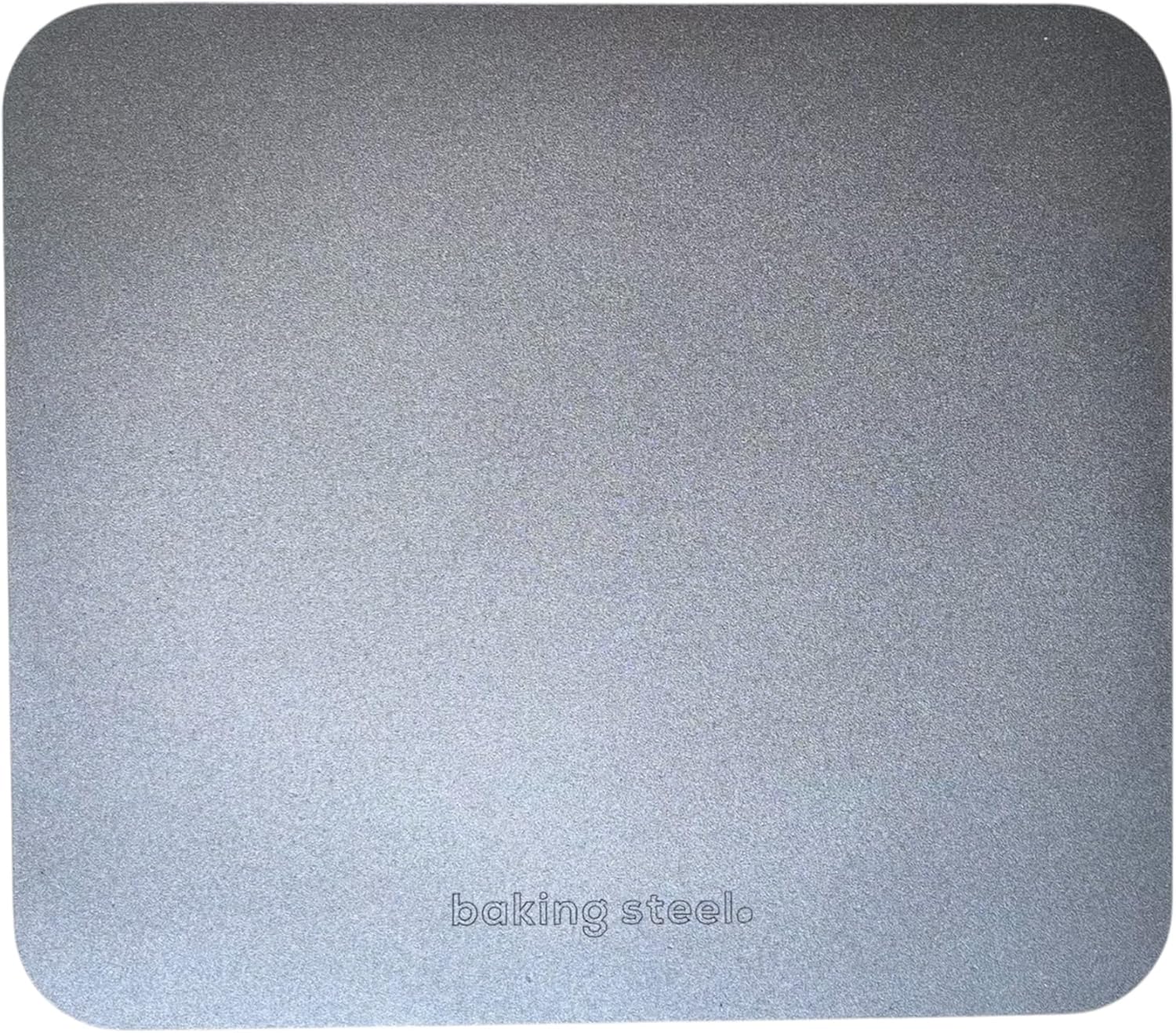
Transitioning from traditional ceramic stones to carbon or low-carbon steel baking sheets changes how home ovens handle pizza, bread, and flatbreads. Steel conducts thermal energy much faster than ceramic, transferring intense heat directly into raw dough for a blistered crust without requiring a commercial wood-fired setup. These heavy-duty metal slabs absorb preheat energy efficiently, maintaining stable cooking temperatures across multiple rounds of baking.
Choosing the right baking steel depends heavily on your interior oven dimensions, preferred pie size, and whether the plate arrives pre-seasoned or requires initial preparation. Options range from compact square models to wide rectangular surfaces built for heavy everyday baking across indoor ranges, standard home ovens, and outdoor grills.
As an Amazon Associate, StacyLaughs earns from qualifying purchases.
Buying guide
Understanding Steel Thickness and Heat Retention
Baking steel thickness directly influences how thermal energy transfers into your pizza dough. A quarter-inch thickness strikes a reliable balance for home kitchens, absorbing enough heat to bake multiple pies without dropping temperature. Thinner sheets heat up faster but may struggle to maintain steady heat during back-to-back baking sessions.
Heavier options retain more thermal capacity, mimicking high-temperature wood-fired ovens. However, selecting an overly thick plate increases total preheating time, requiring up to an hour in the oven. Match your choice to your typical baking schedule and patience level.
Measuring Oven Dimensions and Weight Limits
Before purchasing a heavy baking steel, measure your oven interior depth and rack width carefully. Solid steel plates block heat circulation if they fit too snugly against oven walls. Ensuring adequate clearance around the edges keeps your appliance operating safely.
Weight is another practical factor. Steel plates often weigh between thirteen and eighteen pounds. Ensure your oven racks are sturdy enough to support this concentrated mass without bending, and consider how easily you can lift the plate during cleaning.
Pre-Seasoned Versus Raw Metal Surfaces
Some baking steels arrive pre-seasoned with oils like flaxseed, allowing you to bake immediately out of the box. These factory-treated options save time and help prevent initial sticking during your first few baking attempts.
Other models ship raw or shot-blasted, requiring an initial cleaning and oven-seasoning cycle with cooking oil. While raw steel requires extra effort upfront, it lets you establish a personalized non-stick patina from day one using your preferred culinary oils.
Surface Texture and Dough Release
Surface finishing affects how easily raw dough slides off a peel and onto the hot steel. Sanded or textured low-friction surfaces reduce drag, minimizing the chance of mishaps when launching pizzas into the oven.
As you continue using a baking steel, a natural non-stick patina develops over time. Regular maintenance and proper oiling enhance this dark coating, improving dough release and protecting the bare metal against moisture and corrosion.
Versatility Across Ovens Grills and Stovetops
Baking steel plates function in diverse cooking environments beyond standard kitchen ovens. Many models handle direct flame on outdoor barbecue grills, transforming standard grates into flat cooking surfaces for smash burgers and flatbreads.
Some large square models span across multiple gas or electric range burners. This multi-appliance compatibility lets you use your baking steel as an indoor griddle, expanding its usefulness beyond weekend pizza nights.
Maintenance and Cleaning Requirements
Proper care keeps a baking steel in service for a lifetime. Most manufacturers recommend hand washing with warm water only, avoiding harsh dish soaps that can strip away the developed seasoning patina.
After cleaning, drying the steel completely and applying a very thin layer of cooking oil prevents rust formation. Storing the plate in a dry location ensures it remains ready for your next baking session without degradation.
Frequently asked questions
How long should I preheat a baking steel before cooking pizza?
Most manufacturers recommend preheating your baking steel inside the oven at high temperatures, typically between 450 and 500 degrees Fahrenheit, for forty-five to sixty minutes. This extended preheating window allows the heavy metal slab to absorb enough thermal energy to cook your pizza crust evenly and quickly, often in under ten minutes.
Do baking steels require seasoning before the first use?
It depends entirely on the specific product version you purchase. Some baking steels ship pre-seasoned with oils and are ready for immediate use out of the box. Other models arrive raw or shot-blasted, requiring you to wash them, apply a thin coat of cooking oil, and bake them in the oven for an hour before your first recipe.
Can I use soap when cleaning my baking steel?
Manufacturers generally advise against using dish soap or harsh detergents on baking steels. Because these surfaces rely on a seasoned patina similar to cast iron, washing them with warm water and a scrub brush is sufficient to remove food residue without stripping away the protective non-stick coating you have built.
Can baking steels crack from thermal shock like ceramic stones?
Unlike ceramic or stone baking surfaces that can crack or shatter when exposed to rapid temperature changes, solid steel plates are virtually indestructible. They handle extreme oven and grill temperatures safely without thermal shock fracturing, making them a durable alternative for high-heat baking over many years of regular use.
What else can I cook on a baking steel besides pizza?
Baking steels are highly versatile tools suitable for a wide variety of foods. Beyond pizzas, you can bake artisan sourdough boules, baguettes, flatbreads, and pastries. Many home cooks also place their steel on outdoor grills or stovetop burners to cook smash burgers, roasted vegetables, and breakfast items.