Appliances · Buying Guide
Best Pizza Stone For Blackstone Grills And Outdoor Cooking Setups
Cooking pizza on an outdoor flat top or grill requires a reliable baking surface that can handle high heat without cracking. Baking stones crafted from porous cordierite materials absorb excess dough moisture to help produce a wonderfully crisp crust. Whether you are firing up a backyard barbecue or using a standard indoor oven, matching the right stone size to your cooking setup ensures evenly baked flatbreads, homemade pizzas, and artisan loaves every single time.
Choosing the proper kit depends on whether you prefer a round or rectangular shape, along with bundled accessories like wooden paddles and cutters. High-temperature resistance allows these durable stones to absorb intense heat and release it steadily across the entire cooking area. Reviewing the physical dimensions and included tools helps you select a reliable baking setup that fits your specific outdoor griddle or grill configuration seamlessly.
As an Amazon Associate, StacyLaughs earns from qualifying purchases.
Buying guide
Material Composition and Heat Resistance
When selecting a baking stone for outdoor griddles and grills, material composition is the primary factor determining longevity and performance. Cordierite is widely favored because its porous structure handles extreme thermal shock without cracking. This natural mineral absorbs excess moisture from raw dough, creating an authentic pizzeria-style crispness. Checking temperature ratings ensures the stone can withstand your specific cooking temperatures.
High-end stones often endure temperatures exceeding one thousand degrees Fahrenheit safely. Choosing a robust cordierite model prevents premature degradation during intense charcoal or gas cooking sessions. Always verify that the chosen material relies on natural minerals without artificial binders to guarantee safe food preparation.
Sizing and Cooking Surface Dimensions
When matching the dimensions of your baking stone to your cooking appliance, careful measuring prevents uneven heating and dangerous airflow obstruction inside the firebox. Round stones fit nicely inside circular kettle grills and specific smokers, while rectangular variants maximize workspace on flat rectangular griddles. Measuring your cooking grate before purchasing ensures proper clearance around the outer edges.
A compact thirteen-inch surface works well for smaller meals or couples, whereas expansive sixteen-inch options accommodate large family-sized portions effortlessly. Keep in mind that larger surfaces require more storage space and add considerable weight to your everyday routine. Balancing physical dimensions with your specific appliance layout guarantees smooth baking operations.
Thickness and Thermal Mass Retention
Stone thickness directly influences how well a baking surface stores and distributes thermal energy during prolonged cooking sessions. Thicker stones, typically around zero-point-six inches, maintain higher thermal mass. This characteristic allows you to bake multiple pizzas back-to-back without experiencing a drop in cooking temperature. Thinner alternatives heat up faster but lose heat more quickly.
Evaluating your typical baking volume helps determine the ideal thickness for your needs. If you regularly host gatherings requiring continuous pizza production, investing in a thicker cordierite slab is advantageous. Casual bakers who only prepare a single pie at a time can easily manage lighter, thinner stones without sacrificing quality results.
Included Accessories and Companion Tools
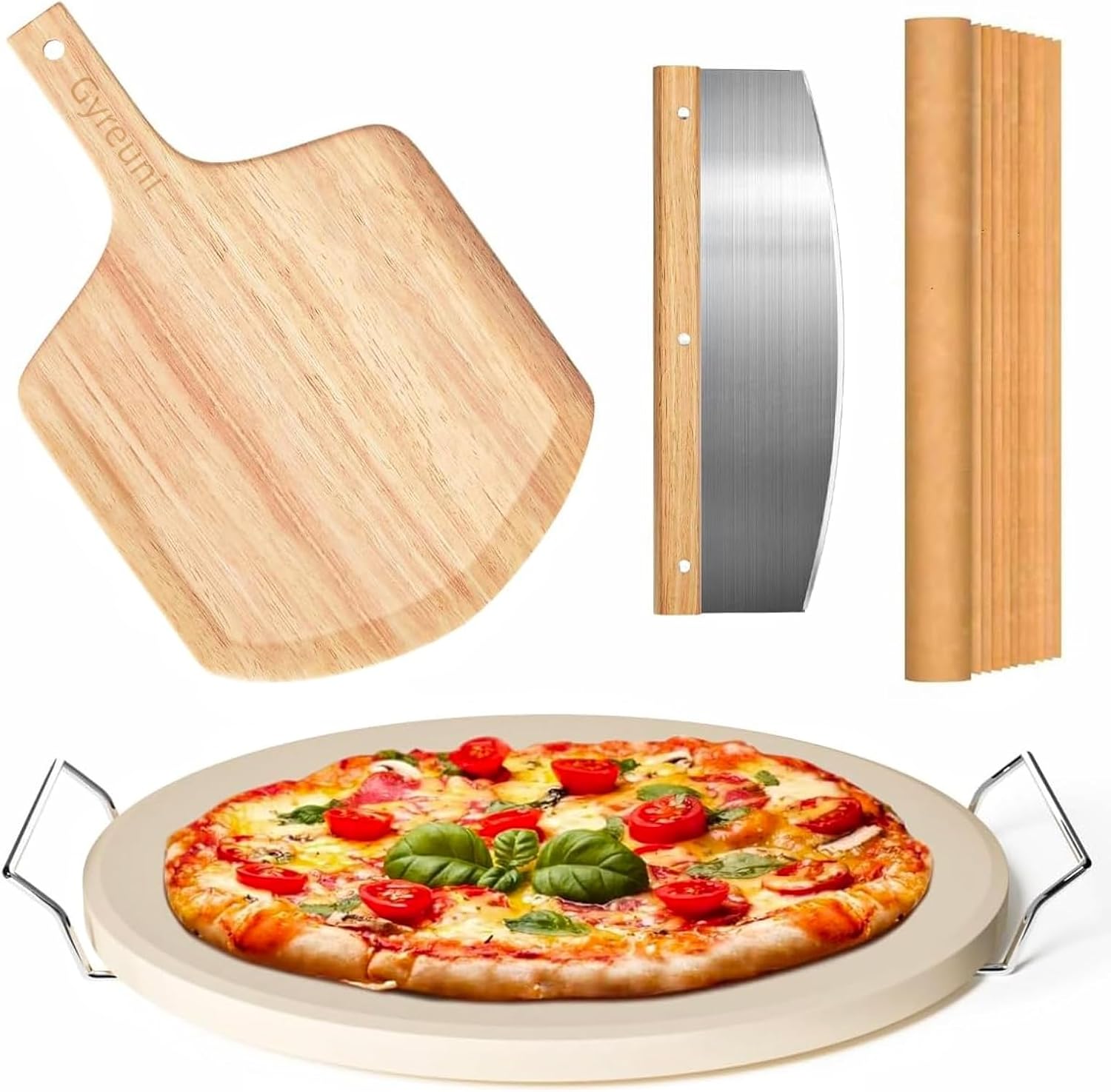
Many baking stones come bundled with helpful accessories like wooden peels, stainless steel cutters, and protective racks. A quality peel allows you to slide raw dough onto the scorching hot stone safely. Stainless steel cutters ensure clean slices without tearing the delicate crust. Reviewing bundle contents can save you time and money compared to buying separate tools.
Some advanced kits even provide detachable handles or specialized scrapers to simplify maintenance tasks. Assess whether these included items match your cooking style and skill level. Having the right companion tools makes transferring heavy, hot stones much safer and more convenient during outdoor cooking adventures.
Maintenance and Cleaning Requirements
Proper maintenance is essential for preserving the lifespan and performance of a natural porous baking stone. Manufacturers strictly advise against using soap or harsh detergents because the porous material absorbs chemical residues. Instead, let the stone cool completely before scraping off food debris with a stiff brush or spatula. Warm water alone is sufficient for cleaning.
Developing dark brown stains over time is a completely normal occurrence caused by absorbed cooking oils and baking sugars. These discoloration marks do not impact cooking functionality and often indicate a well-seasoned, highly effective baking surface. Following these straightforward care guidelines protects your investment and ensures delicious, uncontaminated crusts for years to come.
Shape Selection for Grills and Griddles
Choosing between round and rectangular pizza stones depends heavily on the specific geometry of your cooking appliance. Circular grills and smokers pair naturally with round stones, allowing proper heat circulation around the perimeter. Rectangular stones excel on flat top griddles, providing an expansive, linear workspace for shaping oblong flatbreads, calzones, and pastries alongside traditional round pizzas.
Consider how your appliance distributes flame and whether a particular shape leaves adequate ventilation gaps. Proper airflow prevents burner flare-ups and ensures uniform heat transfer across the entire cordierite surface. Selecting the correct shape optimizes both your cooking efficiency and overall baking success during outdoor cooking.
Frequently asked questions
Can I use soap to clean my cordierite pizza stone?
You should never use soap, dish detergent, or chemical cleaners on a cordierite pizza stone. Because the material is highly porous, it readily absorbs soapy residues that will later emit unpleasant odors and taint the flavor of your food during subsequent cooking sessions. Instead, allow the stone to cool completely after use, scrape away any stubborn food residue with a spatula or brush, and rinse it exclusively with warm water while scrubbing gently.
Why is my pizza stone developing dark stains and discoloration?
Developing dark spots, brown stains, or discoloration is a completely normal and expected part of using a natural cordierite baking stone. As you bake, the porous surface absorbs natural oils, melted cheese, and sugars from your dough and toppings. These marks do not negatively affect the performance, functionality, or safety of the stone in any way. Many experienced outdoor cooks even prefer a well-used stone, as these aesthetic marks indicate regular use.
How do I prevent my pizza dough from sticking to the stone?
Preventing dough from sticking starts with thoroughly preheating your pizza stone so the crust begins cooking immediately upon contact. You can also dust your wooden peel with cornmeal or flour to help the dough slide off smoothly. Additionally, many baking sets include kitchen parchment paper, which can be placed underneath your first pizza during initial use to eliminate sticking entirely while the stone seasons and reaches proper operating temperatures.
Can I put a cold pizza stone directly into a preheated hot oven or grill?
Placing a cold pizza stone directly into a scorching hot oven or grill can cause severe thermal shock, leading to cracking or shattering. To prevent this damage, always place your stone into a cold oven or grill and allow it to preheat gradually alongside the appliance. Manufacturers generally recommend preheating the stone for thirty minutes to an hour to ensure even heat distribution and protect the structural integrity of the cordierite material.
What foods can I bake on a pizza stone besides pizza?
A quality baking stone is highly versatile and suitable for preparing a wide variety of foods beyond traditional pizzas. You can use it to bake artisan sourdough breads, soft pretzels, calzones, cookies, biscuits, and flaky pastries. It is also excellent for reheating leftover pizza slices or flatbreads, restoring their crispy texture without making the dough soggy or burning the bottom. The even heat retention enhances numerous baked goods at home.