Appliances · Buying Guide
Best Pizza Stone for Convection Oven Options for Crispy Crusts

Finding a reliable pizza stone for convection oven setups can completely change how you bake bread, delicate pastries, and delicious homemade pizzas at home. These specialized baking surfaces are designed to absorb heat rapidly and distribute it evenly across the entire cooking area, ensuring your dough achieves a wonderfully crispy base without burning or developing unwanted soggy spots. Whether you are baking inside a kitchen convection oven or grilling outdoors under the stars, choosing the right material and size makes all the difference for your culinary results.
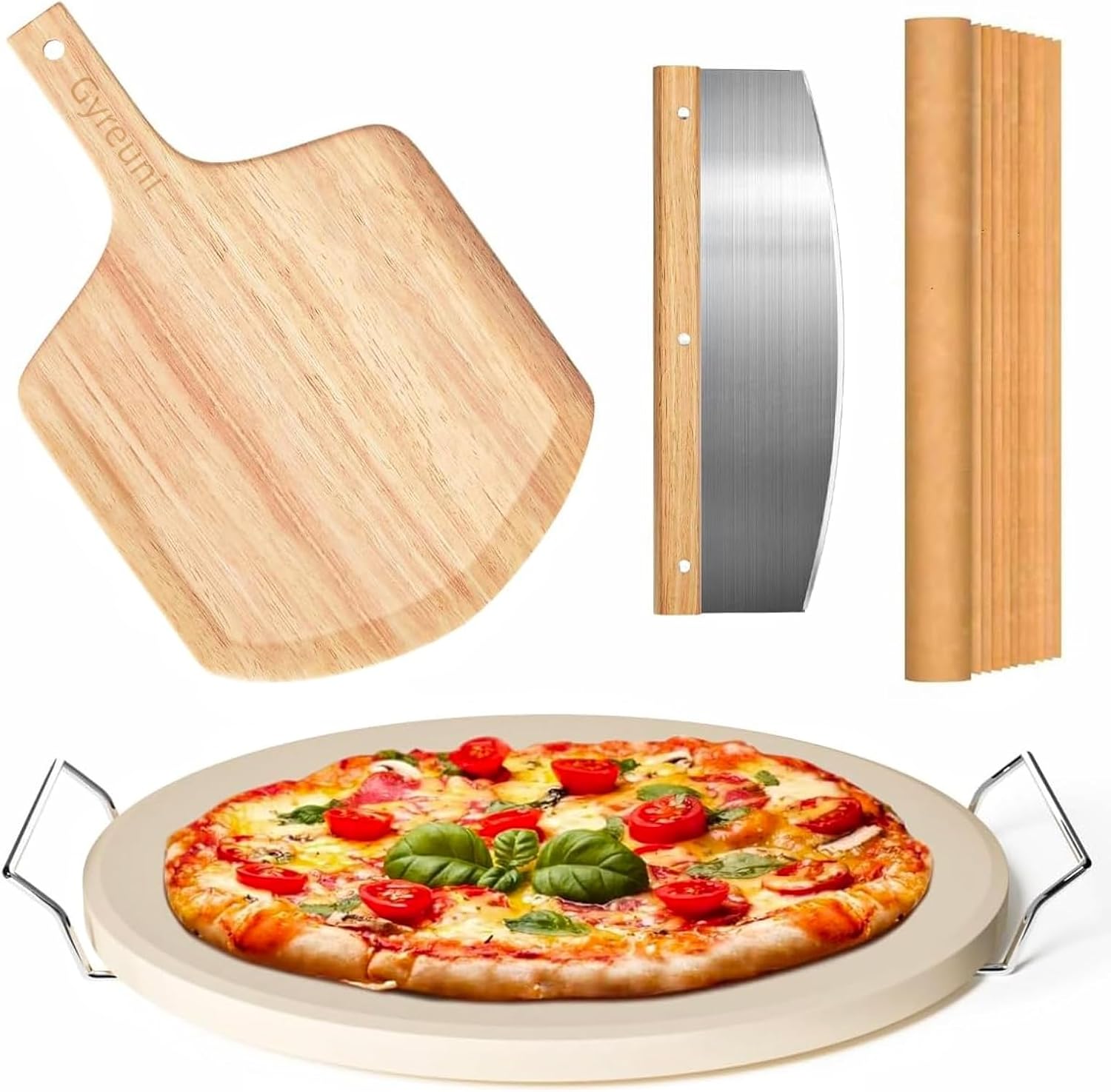
Natural cordierite options handle extreme temperatures and resist thermal shock safely, while bundled sets often include helpful wooden peels, metal racks, and cutting blades to streamline your entire baking routine effectively. Evaluating your available oven space, preferred cooking temperatures, and whether you require included accessories will guide you toward the most suitable baking stone for your household. Each option brings distinct physical properties and practical advantages to your daily baking endeavors.
As an Amazon Associate, StacyLaughs earns from qualifying purchases.
Buying guide
Material Composition and Cordierite Quality
When selecting a baking stone for your kitchen, the underlying material dictates how well the surface performs under heat. Natural cordierite is widely favored because it offers remarkable thermal shock resistance and durability. This porous ceramic material absorbs excess moisture from dough, allowing your crusts to develop an authentic texture without becoming soggy during baking.
Choosing a high quality mineral formulation ensures the stone can endure repeated heating cycles without cracking. Inferior ceramic alternatives often struggle with rapid temperature shifts, whereas cordierite maintains its structural integrity. Inspecting the material specifications helps you invest in a reliable baking accessory that delivers consistent thermal distribution across your homemade pizzas and breads.
Shape and Oven Dimension Compatibility
Evaluating the shape and physical dimensions of a baking stone is crucial before making a purchase. Rectangular stones often maximize usable space for elongated loaves of bread and large pies, while circular models fit traditional round ovens neatly. You must measure your interior oven racks carefully to guarantee proper clearance on all sides.
Inadequate airflow around a large baking surface can disrupt the heat circulation inside a convection oven. Ensuring there is sufficient gap between the stone edges and the oven walls prevents uneven baking results. Matching the physical footprint of the stone to your specific appliance dimensions guarantees a smooth and successful cooking experience every time.
Maximum Temperature Ratings
Understanding temperature thresholds ensures your baking stone can handle your preferred cooking style safely. Many standard stones withstand heat up to eleven hundred degrees Fahrenheit, while heavy duty options handle even higher ranges. If you plan on using an outdoor grill or specialized high heat oven, checking this rating is essential.
Exceeding the manufacturer maximum temperature rating can compromise the structural stability of the ceramic material. Matching your cooking heat sources to the specified limits prevents premature wear and thermal cracking. Always review the thermal limits to ensure the stone aligns with your typical indoor baking and outdoor grilling habits.
Thickness and Heat Retention
The thickness of a baking stone directly influences how efficiently it accumulates and releases thermal energy. Thicker stones generally retain heat longer, providing a steady baseline temperature that helps crisp up heavy dough bases effectively. This thermal mass is particularly beneficial when baking multiple consecutive pizzas or dense artisan loaves.
While thicker profiles offer superior heat storage, they also add substantial weight to the cookware. Lifting and storing a heavy stone requires additional caution during routine kitchen tasks. Balancing your need for sustained thermal performance against manageable physical weight ensures you select a practical stone for everyday use.
Included Accessories and Tools
Many baking stones are sold as complete kits that include helpful ancillary tools like wooden peels and cutting blades. A tapered wooden peel makes transferring unbaked dough onto a scorching hot surface much safer and easier. Having a dedicated pizza cutter or parchment paper included adds immediate value to your purchase.
Assessing whether you already own these tools or need a bundled package helps streamline your shopping decision. Complete sets eliminate the need to source separate wooden paddles or serving racks independently. Reviewing the bundled components ensures you receive practical additions that support your home baking workflow right away.
Maintenance and Cleaning Procedures
Proper maintenance habits significantly extend the lifespan of a natural cordierite baking stone. Most manufacturers strictly prohibit the use of soap or detergents because porous materials can absorb chemical residues and impart unpleasant tastes to food. Instead, cleaning typically involves scraping away excess food and washing with warm water only.
Developing stains from oils and cheese over time is entirely normal and does not impair the cooking performance of the stone. Accepting these cosmetic changes is part of regular maintenance for unglazed ceramic cookware. Following the specified care instructions carefully protects your investment and ensures safe, odor-free baking sessions for years.
Frequently asked questions
Can I use a pizza stone in a convection oven?
Yes, you can use a pizza stone in a convection oven, and the circulating air helps distribute heat evenly around your food. When placing the stone inside, ensure your oven has adequate space around the edges for proper airflow. Preheating the stone thoroughly before baking is essential for achieving a crispy crust. Always follow the manufacturer instructions regarding maximum temperature limits and preheating times to protect the ceramic material from thermal shock.
Why should I avoid using soap when cleaning my pizza stone?
You should avoid using soap because natural cordierite baking stones feature microscopic pores that absorb liquids and chemical residues easily. If soap penetrates these pores, it can release an unpleasant taste or chemical odor the next time the stone is heated in a hot oven. Instead, manufacturers recommend scraping off excess food particles and rinsing the cooled stone with warm water only. Embracing natural discoloration without harsh detergents ensures your food remains safe and untainted.
How long should I preheat my pizza stone before baking?
Preheating your pizza stone typically requires placing it inside the cold oven and heating it up gradually for at least thirty minutes at high temperatures, often four hundred degrees Fahrenheit or more. This gradual heating process allows the dense cordierite material to absorb thermal energy evenly, preventing cracking from sudden temperature shifts. Placing dough onto an insufficiently preheated stone often results in soggy crusts and uneven cooking. Always allow the stone to heat alongside the appliance.
Is it normal for a pizza stone to develop stains over time?
Developing dark marks and stains from oils, cheese, and baked crusts is completely normal during the regular lifecycle of a pizza stone. These cosmetic changes do not affect the structural performance or cooking function of the ceramic surface in any way. Many experienced home cooks even prefer a well-used stone that has accumulated character over months of baking. If you prefer to minimize direct contact with stains, using parchment paper is a helpful alternative provided in many sets.
What is the purpose of a wooden pizza peel?
A wooden pizza peel is designed to help you safely slide unbaked dough, calzones, or artisan bread onto a scorching hot baking stone without burning your hands or arms. The tapered blade slips smoothly beneath food items, while natural wood prevents raw dough from sticking as easily as metal might. Using a peel streamlines your kitchen routine when transferring items in and out of a hot convection oven or outdoor grill, keeping your baking process efficient and safe.