Appliances · Buying Guide
Best Plastic Mixing Bowl Set Options for Your Kitchen Prep
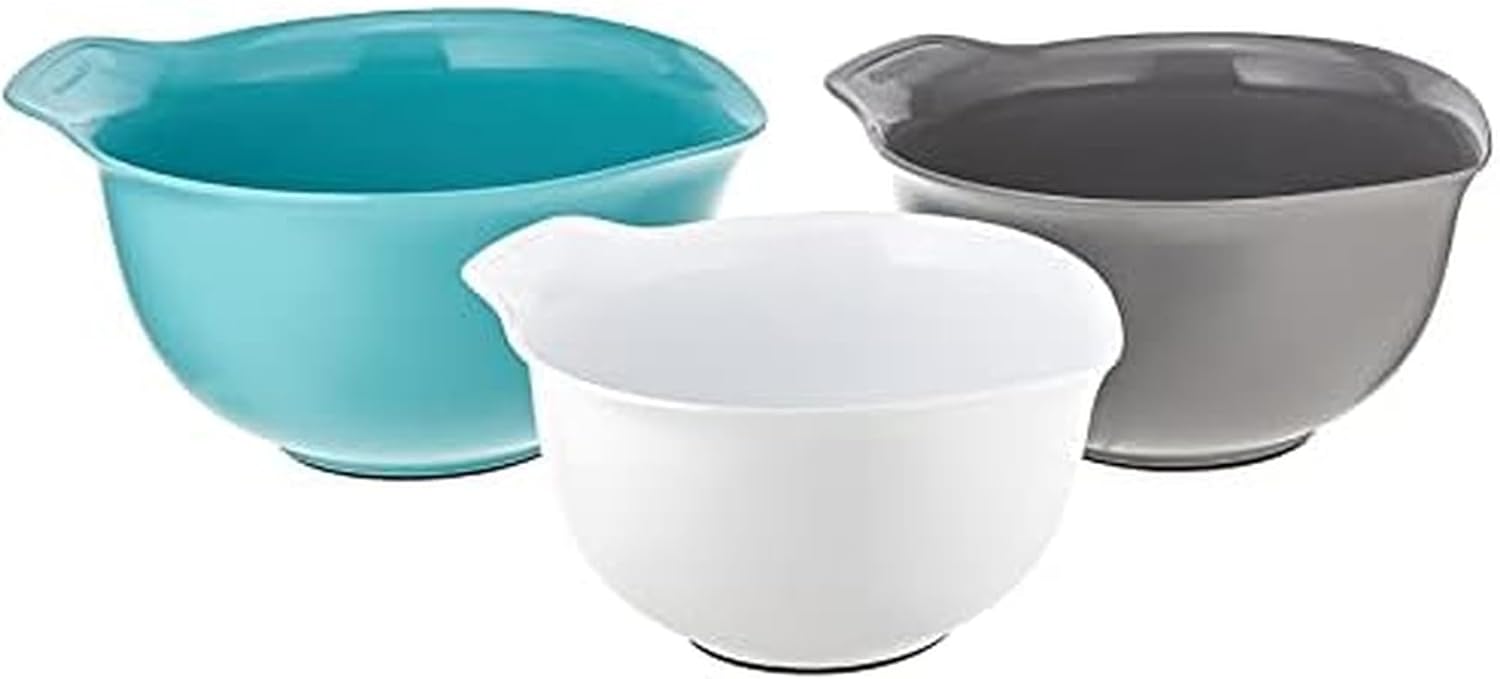
Finding the right plastic mixing bowl set can significantly simplify daily food preparation, baking projects, and kitchen organization tasks. Home cooks often look for reliable sets that balance multiple bowl capacities with stable designs to handle everything from light whipping to heavy batter mixing without slipping across the counter during active preparation.
Modern options include various helpful features like nonslip bases, convenient pour spouts, and space-saving nesting structures that keep cabinets tidy between recipes. Evaluating different configurations helps you select a set matching your specific cooking habits, ingredient volumes, and storage limitations without adding unnecessary clutter to your kitchen spaces. Choosing durable materials ensures your bowls withstand frequent dishwasher cleaning cycles.
As an Amazon Associate, StacyLaughs earns from qualifying purchases.
Buying guide
Capacity and Sizing Considerations
Choosing the correct bowl capacities depends heavily on your typical cooking and baking habits. Small bowls under one quart work exceptionally well for holding chopped herbs, measured spices, and minor recipe ingredients during active preparation stages. Medium sizes ranging between two and four quarts easily handle standard cake batters, tossing fresh salads, and thoroughly combining dry baking ingredients.
Larger bowls exceeding five quarts provide ample room for kneading heavy bread dough, whipping large batches of cream, or tossing family-sized vegetable servings without accidental kitchen spills. Selecting a comprehensive multi-piece set ensures you always have the correct volume readily available for simple prep tasks or complex multi-step culinary recipes.
Material and Construction Quality
Plastic mixing bowls offer lightweight handling compared to heavy ceramic or traditional glass alternatives. Food-grade plastic constructions provide durable performance while remaining remarkably easy to lift, tilt, and carry across the busy kitchen workspace. Many modern sets utilize thick polypropylene designs that successfully resist bending when subjected to electric hand mixers and heavy cake batters.
Selecting verified BPA-free materials ensures safe food contact for everyday meal preparation and baking tasks. Durable plastic also withstands accidental drops onto hard kitchen flooring much better than fragile glass alternatives, making plastic bowl sets exceptionally practical for busy family environments, active baking projects, and routine daily use without shattering risks.
Stability and Non-Slip Bases
Maintaining stability during vigorous mixing is essential for preventing counter spills and frustrating kitchen messes. Many plastic bowls feature specialized non-slip bases constructed with rubberized or textured materials that grip work surfaces firmly. This added friction keeps the container completely stationary while you aggressively stir, whisk, or combine thick ingredients together without sliding.
Without a stable base, mixing bowls can easily slide across smooth granite, wood, or laminate countertops during high-speed blending tasks. Choosing models with engineered bases significantly reduces the need to awkwardly hold the bowl with one hand while trying to safely operate a hand mixer with the other hand during daily food preparation sessions.
Pouring Features and Spouts
Pouring batters and liquid mixtures into baking pans or secondary containers can often create messy drips along the exterior side of the bowl. Integrated pour spouts guide the flow of ingredients smoothly, significantly reducing accidental spills. This design feature simplifies transferring thick pancake batter, cake mixes, and liquid sauces without unnecessary splashing across the counter.
When evaluating bowl sets, check for well-defined spouts that direct liquids cleanly away from the outer walls. Combined with comfortable grip handles or wide rims, a dedicated pour spout streamlines multi-step baking tasks and keeps your kitchen workspace much cleaner throughout your daily recipe preparation sessions without extra cleanup hassle or mess.
Storage and Nesting Options
Kitchen cabinet space is frequently at a premium, making efficient storage a major consideration when purchasing new mixing bowls. Nesting designs allow smaller bowls to fit entirely inside larger ones, creating a single compact stack that occupies minimal shelf space between cooking projects and busy baking days in the home kitchen environment.
Before buying, carefully consider both the horizontal diameter and the vertical height of the nested stack to ensure it fits comfortably within your specific cabinet dimensions. Sets featuring matching storage lids may require slightly more vertical clearance but offer the added benefit of organized refrigerator and freezer storage for leftover food items.
Cleaning and Maintenance Guidelines
Proper cleaning and maintenance keep your plastic mixing bowls hygienic and clear of lingering food residues, unpleasant odors, or stains. Most modern plastic sets are designated as dishwasher safe, allowing for effortless cleanup after preparing messy meals or baking projects involving sticky doughs and rich cake batters without excessive scrubbing effort at all.
Always follow manufacturer guidelines regarding rack placement, as some sets explicitly require top-rack dishwasher cleaning to prevent heat warping from lower appliance heating elements. Selecting dishwasher-safe materials ensures your mixing bowls remain clean and ready for your next cooking creation with minimal manual washing effort required during busy weekly kitchen routines.
Frequently asked questions
Are plastic mixing bowls safe for use with electric hand mixers?
Many sturdy plastic mixing bowls feature thick, rigid construction designed to resist bending and flexing when used with electric hand mixers. However, you should always check the specific product details to ensure the plastic material is thick enough for high-speed blending tasks. Selecting bowls equipped with non-slip rubberized bases also helps keep the container entirely stationary on your counter while the mixer is running, preventing accidental slips or spills during daily food preparation sessions.
Can plastic mixing bowls be used in the microwave and freezer?
Compatibility with microwaves and freezers varies significantly depending on the specific plastic mixing bowl set you choose to purchase. Some polypropylene sets are explicitly rated as microwave safe and freezer safe, allowing you to thaw ingredients, heat foods, or store leftovers directly in the container. Always verify the manufacturer care instructions before placing any plastic bowl into a microwave or freezer to prevent material damage, heat warping, or unsafe food contact issues.
Do plastic mixing bowls absorb food odors and stains over time?
Food-grade plastic materials are generally designed to resist absorbing strong odors and food stains during normal kitchen use. However, mixing certain acidic ingredients or highly pigmented foods like tomato sauce and turmeric can occasionally leave marks or lingering smells on plastic surfaces. Washing your bowls promptly after food preparation with warm soapy water or running them through the dishwasher helps maintain a clean, fresh surface over years of regular baking and cooking use.
How do I store multiple mixing bowls without taking up too much cabinet space?
Nesting storage is the most effective way to keep multiple mixing bowls organized in limited kitchen spaces. Most plastic bowl sets feature a stackable design where smaller bowls fit neatly inside the larger ones, forming a single compact unit. Before purchasing a set, check the nested dimensions and overall height to ensure the combined stack fits comfortably onto your specific cabinet shelves without interfering with adjacent kitchenware or closing doors.
Are mixing bowls with pour spouts better than standard round bowls?
Mixing bowls featuring integrated pour spouts offer distinct advantages when you regularly transfer liquid batters, pancake mixes, or sauces into baking pans and secondary dishes. The specialized spout channels the flow neatly, significantly reducing messy drips down the outer walls of the bowl. If you primarily mix dry ingredients or knead bread dough, standard round bowls work equally well, but a pour spout adds valuable convenience for baking projects involving lots of liquid transfers.