Appliances · Buying Guide
Best Pre Cut Baking Paper Sheets for Easy Cooking
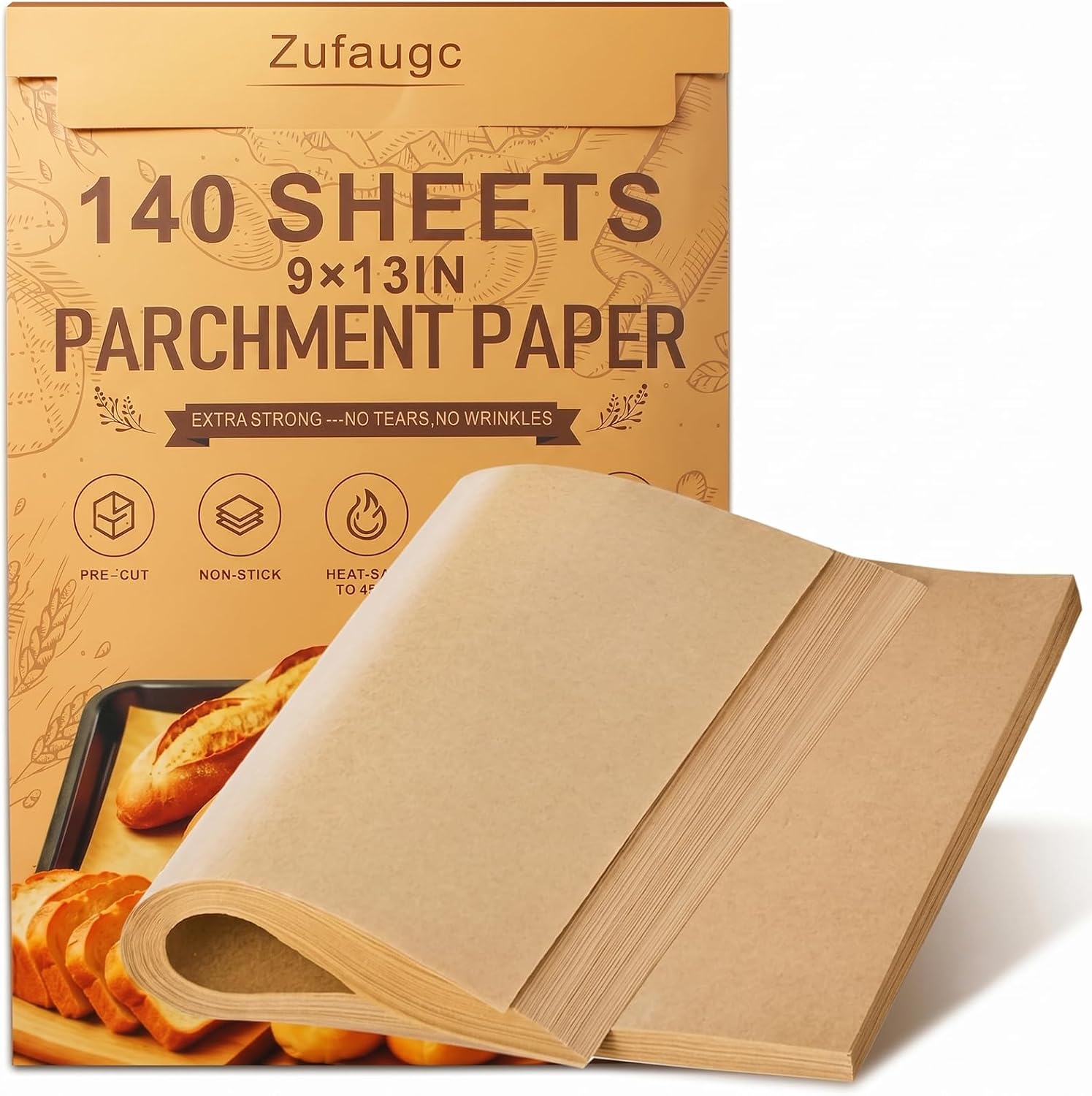
Baking at home often involves messy cleanups, sticky dough, and frustrating struggles with rolled parchment paper that curls back up on the tray. Pre cut baking paper removes this hassle by offering flat, perfectly sized sheets ready for immediate use. Whether you are baking batches of holiday cookies, roasting vegetables, or lining an air fryer, these sheets save time and protect your pans.
Available in various sheet counts and common pan dimensions like quarter and half sizes, these liners simplify kitchen tasks. Materials range from unbleached natural wood pulp to standard paper options featuring grid lines or heavy-duty thickness. Selecting the right option depends on your specific pan size, baking frequency, and desired temperature tolerance, ensuring a smooth baking experience from preparation to cleanup.
As an Amazon Associate, StacyLaughs earns from qualifying purchases.
Buying guide
Sheet Dimensions and Pan Compatibility
Choosing the right pre cut baking paper starts with matching sheet dimensions to your existing cookware. Common marketplace options include compact quarter sheet sizes for smaller pans and large half sheet sizes designed for standard baking trays. Selecting correctly sized sheets prevents awkward folding, curling edges, or trimming while ensuring complete coverage of the metal cooking surface. Taking time to measure your trays beforehand guarantees a flat and secure fit during use.
Using properly fitted parchment also stops food from sliding into unlined corners, keeping your pans pristine. Whether you roast vegetables, bake delicate macarons, or prepare holiday cookies, proper sizing improves overall kitchen efficiency. Poorly matched sheets can bunch up or leave gaps, leading to localized burning or messy pan contact that requires extra cleanup effort after meals conclude.
Material Composition and Bleaching
Parchment paper materials vary between natural unbleached wood pulp and standard processed white paper options. Unbleached brown sheets generally appeal to shoppers seeking chlorine-free and fluorescent-free construction for direct food contact. These natural options maintain eco-friendly profiles while delivering dependable non-stick performance for everyday baking, roasting, and air frying tasks.
White paper variants undergo additional processing but often include helpful features like printed grid lines for precise food placement. Evaluating your household preferences regarding chemical additives, environmental impact, and visual appearance helps narrow down the ideal selection. Both material types handle baking tasks effectively, so your choice ultimately depends on specific functional preferences and desired surface aids.
Paper Thickness and Durability
Paper thickness directly influences how well a sheet handles heavy food items, moisture, and repeated handling during meal preparation. Standard options work well for light cookies and pastries, while extra-thick forty-five gram sheets resist tearing when lifting heavier roasted meats or dense doughs.
Durable sheets prevent grease seepage and remain intact under heavy loads, reducing the risk of accidental rips during kitchen transfers. Thicker paper also provides better structural integrity if you need to slide baked goods directly from the pan onto cooling racks. Assess your typical recipes to determine whether standard thickness or heavy-duty construction best serves your cooking habits and prevents frustrating kitchen mishaps.
Temperature Ratings and Appliance Safety
Heat resistance is a critical factor when selecting baking paper for high-temperature ovens, grills, or air fryers. Most quality parchment sheets withstand temperatures up to four hundred fifty degrees Fahrenheit, safely covering standard baking requirements and everyday roasting tasks. Checking these ratings ensures safe operation across different kitchen appliances.
Exceeding the manufacturer stated temperature limit can cause the paper to char or burn during cooking. Always verify the maximum heat threshold of your chosen sheets before using them under broilers or in high-heat specialty appliances. Proper placement beneath sufficient food also prevents the paper from lifting into heating elements and catching fire, keeping your meals safe.
Pack Counts and Storage Considerations
Pack quantities range from compact bundles to bulk supplies containing up to four hundred individual sheets. High-volume packs offer long-term convenience and reduce replenishment frequency for frequent bakers, though large storage boxes require dedicated pantry or cabinet space. Evaluating your available storage area helps prevent cluttered kitchen drawers and messy countertops throughout the year.
Smaller pack counts fit tightly packed kitchens and occasional bakers who only line pans during weekend baking projects. Consider your storage availability, household consumption, and baking frequency when selecting pack sizes to ensure you do not overcrowd your living space or run out of paper prematurely during busy holiday meal preparations.
Surface Treatments and Special Features
Many parchment sheets feature silicone or oil-proof surface treatments designed to enhance non-stick performance and prevent moisture soak-through. These protective coatings eliminate the need to grease pans with butter, oil, or cooking spray, significantly simplifying post-baking cleanup. Food easily slides off treated surfaces without leaving sticky residue behind on your cookware.
Some specialty sheets include printed grid lines to guide food spacing or allow multi-use durability across several separate baking cycles. Reviewing these built-in extra features helps you choose paper that addresses specific cooking challenges, such as sticky cookie dough or messy marinated meats. Matching special features to your daily cooking style ensures maximum utility, better results, and long-term convenience.
Frequently asked questions
Do I need to grease pre cut baking paper before placing food on it?
Most pre cut baking paper sheets feature a silicone or oil-proof coating specifically designed to prevent food from sticking. Because of this built-in non-stick property, you generally do not need to apply extra butter, oil, or cooking spray to the paper before adding cookies, bread, or roasted vegetables. Skipping grease saves preparation time and reduces excess fats in your recipes. However, always check the specific product attributes to confirm its surface treatment before bypassing traditional pan-greasing methods for sticky ingredients.
Can I use pre cut baking paper in an air fryer?
Many pre cut parchment paper sheets are safely rated for air fryer use, provided they fit comfortably inside the basket without blocking airflow or touching heating elements. Because air fryers circulate hot air rapidly, you must always place enough heavy food on top of the paper to hold it securely in place. Unsecured paper can lift into the heating coil and create a fire hazard. Always verify your specific sheet dimensions and temperature ratings before attempting air fryer cooking.
How do I choose between unbleached and white parchment paper?
The choice between unbleached and white parchment paper often comes down to material processing preferences and added features. Unbleached brown sheets are manufactured from natural wood pulp without chlorine or fluorescent brighteners, making them popular among shoppers seeking chlorine-free options. White paper variants undergo additional bleaching processes but frequently offer helpful extras like printed grid lines for cookie spacing. Both types deliver reliable heat resistance and non-stick performance, so your decision depends on whether you prefer natural brown aesthetics or grid guidelines.
Can parchment paper sheets be reused for multiple batches?
Whether parchment paper sheets can be reused depends entirely on the specific brand instructions and the type of food cooked on them. Certain durable parchment products are explicitly rated to withstand multiple cooking cycles for dry items like cookies or bread. However, if the paper becomes soaked in grease, torn, or charred from high heat, you should discard it immediately after a single use. Always inspect the condition of the sheet before attempting a second baking cycle to ensure food safety and prevent sticking.
How should I store my pre cut baking paper to prevent damage?
Proper storage keeps your pre cut parchment paper clean, flat, and ready for immediate kitchen use. Most products arrive in flat boxes or rectangular packaging designed to protect the sheets from creasing or moisture exposure. Keep the box stored in a dry pantry, cabinet, or wide drawer away from direct humidity and excessive heat sources. Storing the package flat prevents the corners from bending, ensuring each sheet lays smoothly across your baking trays without frustrating curls.