Appliances · Buying Guide
Best Tools to Proof Pizza Dough in Oven and Countertop Settings
Finding the right environment to proof pizza dough in oven setups or specialized containers can transform your homemade baking routine. Temperature fluctuations often ruin a good rise, leaving home cooks searching for reliable methods to achieve professional-quality crusts. Whether you prefer using a controlled warming box or dedicated stackable containers, having the proper equipment makes all the difference for your next pizza night.
This guide explores top-rated proofing boxes and silicone containers designed to take the guesswork out of fermentation. By examining individual product features, capacities, and practical limitations, you can select the ideal setup for your kitchen workflow. Discover how these dedicated tools help your dough reach its full potential without relying on inconsistent ambient temperatures.
As an Amazon Associate, StacyLaughs earns from qualifying purchases.
Buying guide
Temperature Regulation and Consistency
Maintaining consistent ambient temperatures is essential when you want your pizza dough to rise properly during weekend prep sessions. In cooler kitchens, natural yeast activity slows down drastically, leading to flat and dense crusts that lack proper texture. Investing in reliable thermal control ensures your favorite recipes ferment predictably every single time you bake at home.
Specialized proofing boxes featuring adjustable heating zones provide an ideal solution by keeping your dough in a stable thermal window regardless of outdoor weather. This eliminates seasonal baking frustrations and gives you professional control over your fermentation timeline, making homemade pizza nights much more successful and repeatable for your family.
Capacity and Portion Sizing
Choosing the correct container capacity depends entirely on how many people you plan to feed and your preferred pizza style. Smaller individual cells hold single portions around 300 to 400 grams, which work wonderfully for personal 12-inch pies. Larger multi-liter boxes accommodate bulk fermentation, allowing you to divide massive dough quantities right before shaping and baking your artisan creations.
Always evaluate your typical batch size before selecting equipment to avoid cramped containers or wasted space. Matching your recipe volume to the right storage container prevents messy overflows while ensuring each dough ball has ample vertical room to expand naturally during its final proofing stage without sticking to adjacent surfaces or lids.
Material Durability and Maintenance
Kitchen gear must withstand frequent washing and exposure to flour, yeast, and oils without degrading over time. Food-grade silicone containers offer flexibility, non-stick surfaces, and excellent resistance to staining. Meanwhile, fabric proofing boxes rely on insulated linings and metal frames that require gentle spot cleaning to preserve their internal heating mechanisms and waterproof coatings for long-term reliability.
Reviewing manufacturer cleaning guidelines helps protect your investment and maintain hygiene standards. While silicone bases often tolerate high-temperature dishwasher cycles, lids and electronic heating components frequently demand hand washing. Balancing your desire for effortless cleanup with the structural needs of your chosen proofing equipment ensures lasting satisfaction in your daily kitchen routine.
Storage Efficiency and Design
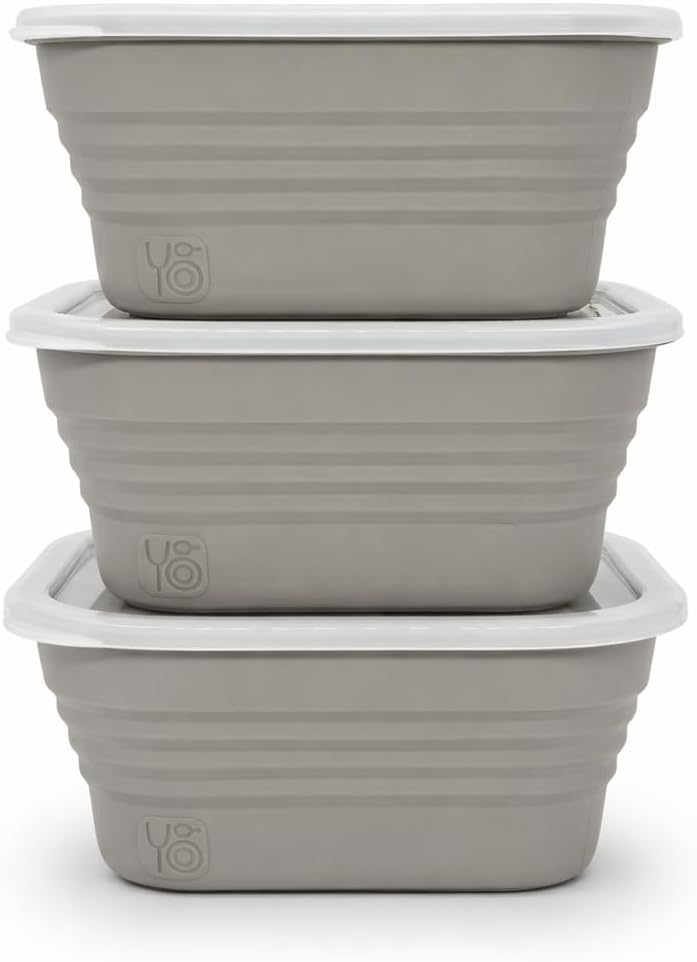
Countertop and cabinet space is precious in any modern kitchen, making space-saving design a critical purchasing criterion. Collapsible silicone boxes shrink down significantly when empty, allowing you to stack multiple units neatly in tight cupboards. Folding electric proofers similarly flatten out after use, tucking away easily compared to rigid, permanent appliances that permanently claim valuable workspace.
Consider how easily your chosen equipment stores away when baking season slows down or your counters need clearing. Stackable designs maximize vertical refrigerator shelf space during overnight cold fermentation, keeping your ingredients organized without creating clutter in shared family food storage areas or crowded kitchen pantries.
Monitoring and Observation Features
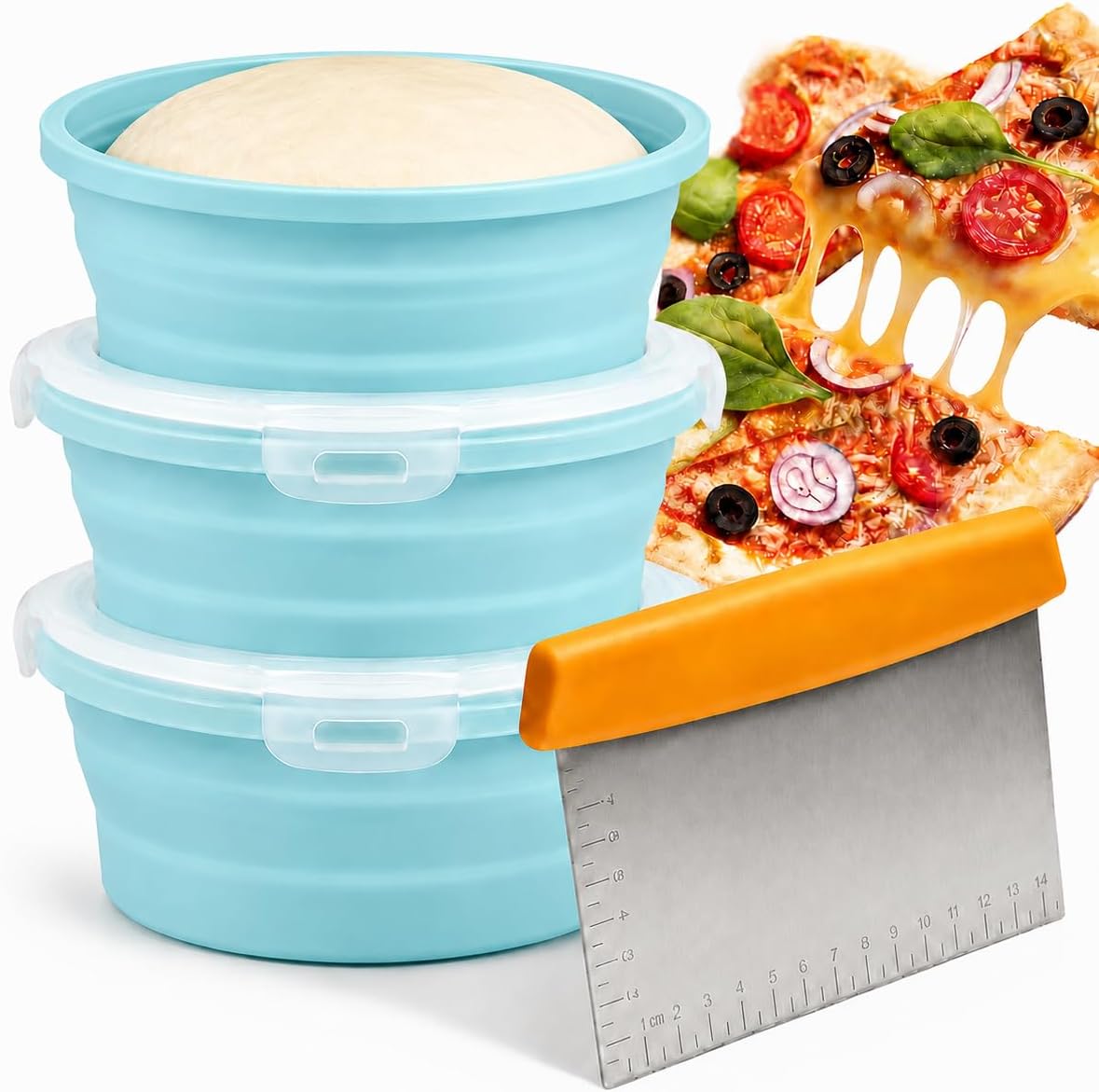
Keeping an eye on your dough without disrupting the internal microclimate is a major advantage for bakers. Transparent acrylic windows on electric proofers let you check rising progress instantly. Similarly, clear lids on silicone containers feature volume markings that help you track expansion visually without constantly lifting covers, releasing trapped humidity, or letting cool air disrupt the gentle fermentation process.
Visual tracking features eliminate guesswork, ensuring you catch your dough at peak fermentation for optimal texture. Being able to monitor progress directly saves time and prevents over-proofing, giving you greater confidence when experimenting with new sourdough recipes or adjusting rise times for different specialty flours during your baking sessions.
Portability and Outdoor Baking Prep
For bakers who love tailgating, camping, or hosting outdoor pizza oven parties, portable equipment is an absolute necessity. Lightweight silicone containers with secure airtight lids prevent spills and dough drying during transit. Rugged construction materials ensure your prepped dough balls survive car rides intact, arriving at your destination ready for immediate stretching, shaping, and outdoor baking.
Choosing transport-friendly gear bridges the gap between home kitchen prep and remote cooking locations. Look for reinforced frames and leak-resistant closures that withstand movement. Having reliable transport containers lets you enjoy artisanal pizza-making anywhere, turning tailgate lots and backyard patios into fully functional mobile pizzerias with minimal setup hassle.
Frequently asked questions
Can I use a folding proofing box to proof pizza dough in oven environments?
A folding proofing box acts as a standalone countertop appliance rather than going inside an actual oven. It creates a dedicated, temperature-controlled microclimate using internal heating zones and insulation, keeping your pizza dough at an ideal 50-113 degree Fahrenheit range without turning on your kitchen oven. This setup prevents your home oven from being tied up during long fermentation cycles, allowing you to bake other dishes simultaneously while your dough rises under precise, steady thermal conditions monitored by built-in sensors.
Why should I use individual silicone containers instead of one large bowl?
Using individual silicone containers keeps your pizza dough balls completely separated, preventing them from fusing together or sticking during the fermentation process. When you use a single large mixing bowl, individual portions often merge, making it difficult to portion out clean dough balls without deflating them. Individual cells provide controlled sizing, protect each ball from drying out with airtight lids, and make it easy to transfer pre-measured portions straight from your refrigerator to the countertop for immediate stretching and baking.
How do I clean and maintain silicone dough proofing boxes?
Most food-grade silicone dough boxes feature dishwasher-safe bases that simplify cleanup after sticky baking sessions. However, manufacturers often recommend hand-washing the clear lids to preserve their airtight snap-fit seals and prevent warping over time. Always avoid using abrasive scrubbers or sharp utensils near the silicone surface to prevent punctures. Storing the containers in their collapsed, folded state keeps them compact while ensuring they remain clean and ready for your next weekend pizza-making adventure.
What capacity container do I need for standard pizza dough balls?
Container capacity depends entirely on the size of the pizza crust you plan to bake. For standard twelve to fourteen-inch family-size pizzas, a 1000ml to 1200ml container holding roughly 300 to 400 grams of dough provides ideal expansion room. This space allows the yeast to work efficiently without crowding or pushing the lid open prematurely. If you prefer thicker sheet-pan styles or oversized artisan crusts, look for larger bulk fermentation boxes that offer ample vertical and horizontal rising clearance.
How do clear lids and volume markings help during fermentation?
Clear lids and interior volume markings let you monitor your dough expansion visually without repeatedly opening the container. Opening a proofing container releases precious humidity and drops the internal temperature, which can slow down yeast activity. Volume markings provide a clear benchmark to compare rise progress against your starting point, eliminating guesswork. This constant visual feedback ensures you catch your pizza dough at its absolute peak fermentation stage for superior texture, air pockets, and crust crispness.