Appliances · Buying Guide
Best Pyrex Mixing Bowl Lids for Secure Kitchen Storage
Finding the right replacement covers for your glass prepware helps maintain food freshness during daily storage and meal preparation tasks. Whether you are replacing worn-out covers or switching between material types, carefully matching your specific bowl model number ensures a proper fit. Manufacturers design these covers specifically for designated rimmed or sculpted bowl series, keeping your leftover ingredients organized in the refrigerator or pantry.
Options range from flexible food-grade silicone alternatives to classic molded plastic styles. Each design offers distinct handling characteristics, from convenient hanging storage holes to top-rack dishwasher compatibility. Reviewing your container dimensions and model numbers before selection prevents compatibility issues and ensures your everyday kitchen tasks proceed smoothly without unnecessary guesswork or improper alignment during daily use.
As an Amazon Associate, StacyLaughs earns from qualifying purchases.
Buying guide
Material Selection for Kitchen Lids
Choosing between silicone and plastic replacement lids depends heavily on your daily storage habits and preferred handling characteristics. Silicone options offer notable flexibility, allowing the material to flex smoothly over bowl rims while withstanding high heat in microwaves or cold temperatures in freezers without cracking. Many silicone designs also include built-in hanging holes for convenient vertical storage on kitchen hooks, freeing up valuable drawer space.
Plastic alternatives provide a rigid, structured closure that snaps firmly into place on compatible glass mixing vessels. These traditional covers resist absorbing food odors, flavors, and stains during routine everyday meal preparation tasks. Reviewing how you store and stack leftovers will guide your final choice between flexible silicone and sturdy molded plastic materials.
Verifying Bowl Model Numbers
Selecting the correct replacement lid requires checking the specific model number stamped on the bottom of your glass mixing bowl. Manufacturers design these covers to match exact rim dimensions and lip contours precisely, ensuring a secure closure. Guessing dimensions based solely on estimated bowl capacities often leads to loose fits or covers that slide off unexpectedly during refrigerator storage.
Taking a moment to locate numbers like 322, 323, or 325 prevents compatibility errors when ordering multi-packs or single replacements. Matching part numbers guarantees that plastic snaps or silicone edges align perfectly with the glass rim. Proper verification saves time and ensures your leftover ingredients remain protected against accidental spills.
Understanding Capacity and Sizing
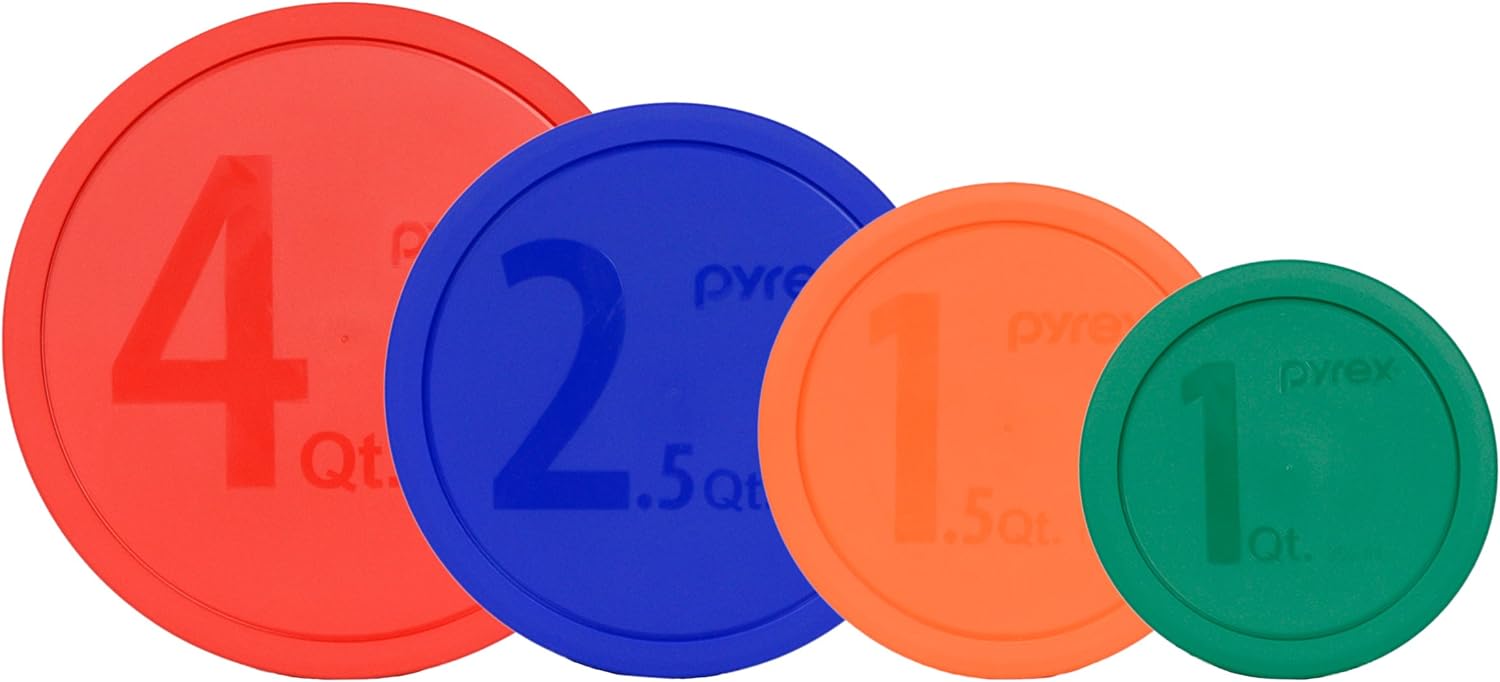
Mixing bowls come in various volume capacities, ranging from compact one-quart dishes to large four-quart mixing vessels. Replacement lids correspond directly to these specific fluid capacities, meaning a cover built for a smaller dish will never fit a larger rim. Evaluating your active bowl collection helps determine whether a multi-pack bundle or an individual lid purchase is necessary.
Larger bowls require wider lids that maintain structural integrity without sagging across the center opening during stacking. Checking whether your bowls belong to standard rimmed lines or sculpted glass series ensures the chosen covers fit the specific edge geometry. Proper capacity matching keeps your kitchen storage organized and functional.
Evaluating Multi-Pack Bundles
Purchasing multi-pack lid bundles offers a highly convenient way to update several covers simultaneously across different bowl sizes. Sets typically combine small, medium, and large diameters to accommodate standard kitchen prepware collections in a single purchase. This approach reduces the need to hunt for individual replacement parts when older covers experience normal wear and tear.
However, buyers should review the exact sizes included in a bundle to ensure they match the specific bowls currently sitting in their cabinets. If a set includes capacities you rarely use, purchasing individual replacement lids might prove more practical. Assessing your daily cooking habits ensures you get maximum utility from every included cover.
Maintenance and Cleaning Practices
Proper cleaning extends the lifespan of both silicone and plastic replacement lids during busy daily kitchen routines. Most manufacturers recommend top-rack dishwasher cycles for plastic lids to prevent warping caused by heating elements. Flexible silicone options typically handle both microwave heating and standard dishwasher cleaning cycles without sustaining any structural damage over time.
Avoiding harsh chemical agents and abrasive scouring pads helps preserve the smooth surfaces of nonporous plastic and flexible silicone covers during routine cleanup. Regular washing removes food oils and prevents lingering odors from settling into the material structure. Following recommended manufacturer maintenance guidelines ensures your storage covers remain hygienic and dependable for daily meal preparation tasks.
Storage and Organization Efficiency
Keeping replacement lids organized prevents frustrating clutter in crowded kitchen cabinets and storage drawers. Some modern silicone lid designs feature integrated hanging holes, allowing cooks to suspend them on convenient hooks to save valuable shelf space. Stacking rigid plastic lids neatly by diameter ensures quick access when you need to pack away leftover ingredients quickly.
Evaluating your available storage space helps determine which lid style integrates best into your specific kitchen layout. Flexible silicone covers can be tucked compactly into tight gaps, whereas rigid plastic lids require flat surface areas to prevent warping or bending. Thoughtful organization makes everyday meal preparation faster and significantly more streamlined for home cooks.
Frequently asked questions
How do I know which lid model fits my mixing bowl?
To find the correct replacement lid, check the stamped model number located directly on the bottom of your glass mixing bowl. Common numbers include 322, 323, 325, and 326 for standard rimmed prepware, or specific series codes for sculpted glassware designs. Matching this exact number ensures a proper fit because replacement covers are engineered for specific container dimensions. Guessing based on bowl capacity alone often results in loose closures or improper sealing during refrigerator storage.
Can these replacement lids be placed in the microwave?
Many replacement lids support microwave use, but checking the specific product specifications is essential. Silicone lids and approved plastic covers handle microwave reheating for food storage tasks. However, users should avoid exposing lids to direct heat sources or prolonged high wattage that exceeds manufacturer recommendations. Verifying whether your chosen plastic or silicone cover is rated for microwave heating prevents warping and extends the lifespan of the lid during daily kitchen tasks.
Are silicone lids better than plastic lids for mixing bowls?
Neither material is universally superior; each offers distinct advantages depending on your kitchen preferences. Silicone lids provide flexibility, allowing them to stretch slightly over rims while offering high heat resistance and convenient hanging storage holes. Plastic lids offer a rigid, structured snap closure that maintains its shape firmly and resists absorbing food stains or odors over time. Your choice depends entirely on whether you prefer flexible stretching materials or traditional rigid plastic covers.
How should I clean and maintain my replacement lids?
Cleaning replacement lids is straightforward when following manufacturer guidelines. Most plastic and silicone covers are dishwasher safe, though plastic versions typically require top-rack placement to prevent warping from heating elements. Avoid using abrasive scouring pads or harsh chemical cleaners, as these can scratch nonporous plastic or degrade silicone surfaces over time. Regular washing with mild soap removes leftover food oils and keeps your storage covers fresh and hygienic for everyday use.
Will these lids fit glass bowls from other brands like Anchor Hocking?
Replacement lids are engineered specifically to match proprietary glass bowl geometries, meaning they generally do not fit bowls from competing brands like Anchor Hocking or Corelle. Each manufacturer utilizes distinct rim thicknesses, lip angles, and outer diameters. Attempting to force a replacement cover onto an unlisted brand container typically results in an insecure fit or failure to seal. Always verify compatibility with your exact bowl manufacturer before making a purchase.