Appliances · Buying Guide
Best Quick Sourdough Pizza Dough Supplies for Home Baking
Making homemade pizza brings a satisfying crunch and comforting aroma straight into your home kitchen without requiring complex professional restaurant gear. Whether you are mixing fresh ingredients from scratch or preparing organic blends, having the right equipment transforms the daily baking process into a seamless routine for any weeknight dinner or weekend family gathering.
From specialty flour blends and savory seasonings to stackable proofing containers designed for controlled fermentation, these physical tools help streamline your weekly baking schedule. Selecting appropriate mixes and storage vessels ensures your dough maintains its optimal shape, moisture, and elasticity until it reaches the hot oven surface for a perfectly crispy crust finish every single time.
As an Amazon Associate, StacyLaughs earns from qualifying purchases.
Buying guide
Ingredient Selection for Sourdough Crusted Bases
Choosing the right flour and mix forms the absolute backbone of any successful homemade pizza night. Organic pre-mixes offer rapid convenience by requiring only basic household liquids like water and oil to form a cohesive dough. These options eliminate complex measuring steps for busy weeknight schedules while maintaining clean ingredient profiles without artificial fillers or chemical additives.
Traditional bakers often prefer specialized milling flours and coarse semolina blends to create authentic crust textures, enhance browning, and prevent sticking on hot stones. Matching your selected ingredients to your baking schedule ensures reliable, satisfying results. Balancing convenience against scratch-made control lets you tailor every single pie to your exact personal preferences and dietary needs.
Container Capacity and Dough Ball Sizing
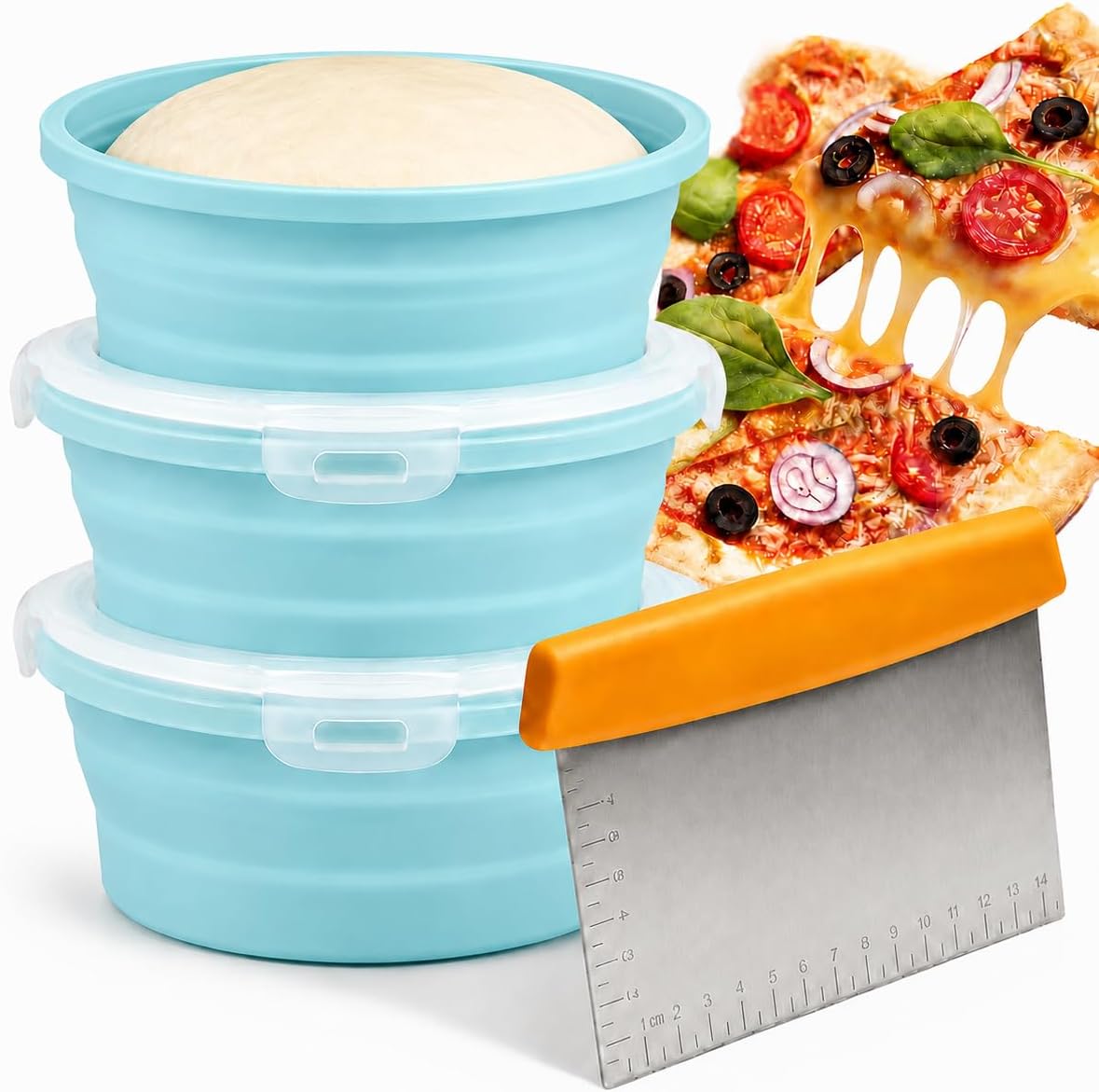
Selecting appropriate container capacity prevents overcrowding and squishing during the critical dough fermentation stage. Individual silicone cells handle specific gram weights, ensuring single balls maintain proper rounded shapes without merging together into a sticky mass. Proper sizing gives yeast or sourdough cultures adequate room to expand naturally in the cold refrigerator environment.
Larger multi-ball trays accommodate bulk preparations for family gatherings, but they require careful portioning so dough pieces do not touch prematurely. Assessing your typical batch size helps you choose between single-cell silicone pods and expansive rectangular boxes, keeping your refrigerator organized and your dough properly protected against premature drying out during storage.
Material Construction and Durability Options
Kitchen containers must endure regular washing, temperature shifts, and active dough pressure over years of frequent baking. Food-grade silicone offers flexible convenience, non-stick release properties, and easy cleaning routines in standard household dishwashers. Many silicone boxes also feature collapsible walls or reinforced steel frames for enhanced structural stability during transport, outdoor tailgating, and daily kitchen use.
Rigid plastic trays provide sturdy commercial-quality alternatives for stacking multiple tiers inside crowded refrigerators. While rigid plastic lacks collapsible flexibility, it delivers reliable rectangular organization for high-volume baking tasks without flexing under weight. Evaluating material strengths ensures your chosen proofing vessel matches your long-term storage habits, transport needs, and cleaning preferences.
Storage Space and Refrigerator Management
Maintaining an organized refrigerator during pizza preparation requires careful attention to container dimensions and stacking capabilities. Stackable boxes allow you to maximize vertical shelf space, preventing clutter in busy kitchens. Foldable silicone designs take this a step further by collapsing flat when empty, freeing up cabinet space between baking sessions.
Large rectangular trays offer expansive footprints that hold multiple dough portions simultaneously, but they demand wide flat shelves. Assessing available kitchen storage prevents buying oversized equipment that creates refrigerator bottlenecks. Matching container sizes to your shelf layout keeps ingredients accessible and organized.
Fermentation Monitoring and Seal Reliability
Monitoring dough fermentation without disturbing the active rising process is a major advantage for home bakers. Clear lids let you inspect yeast or sourdough activity visually without lifting the cover and letting cool air escape. Airtight seals lock in vital moisture, preventing dry crusts from forming on top of your dough balls during resting.
Snap-fit closures ensure lids remain securely fastened against internal pressure generated by expanding gases. Reliable seals also keep unwanted food odors out of your proofing dough inside shared refrigerators. Choosing containers with clear monitoring windows and secure locking mechanisms simplifies the entire rising stage.
Versatility Beyond Standard Pizza Preparation
Quality baking mixes and proofing containers often serve multiple functions beyond traditional round pizza crusts. Organic dough mixes can easily transform into calzones, strombolis, savory breadsticks, and pull-apart rolls for varied family meals. Similarly, multi-purpose proofing boxes double as convenient storage containers for fresh fruits and crisp vegetables.
Selecting versatile kitchen gear maximizes your investment and reduces single-use clutter in crowded cupboards. Containers that transition smoothly from refrigerator proofing to outdoor tailgating or food storage offer exceptional everyday utility. Versatile baking supplies adapt readily to changing meal plans and different cooking styles.
Frequently asked questions
Can I use pizza dough proofing containers for regular bread dough or sourdough?
Yes, proofing containers work exceptionally well for standard bread dough, sourdough fermentation, and various yeast-based recipes. The airtight seals and controlled compartments maintain optimal humidity and temperature conditions, helping your dough rise evenly. Whether you are using individual silicone pods or large rectangular trays, the smooth non-stick surfaces prevent dough from sticking during removal. This multi-purpose functionality makes proofing boxes a great addition to any kitchen, allowing you to transition effortlessly between pizza nights and artisan bread baking without needing entirely separate equipment.
How much dough should I put in each proofing container?
The ideal amount of dough depends entirely on the specific capacity rating of your container. For example, forty-ounce silicone containers typically accommodate four-hundred-gram dough balls designed for twelve to fourteen-inch pizzas. Larger one-thousand-milliliter cells easily hold three-hundred-gram portions for bigger pies, while commercial rectangular trays can manage up to six dough balls combined. Overfilling containers can restrict expansion space and cause dough to push lids open, whereas underfilling leaves excess air. Following manufacturer capacity guidelines ensures your dough rises consistently and maintains its structure.
Are silicone proofing containers dishwasher safe and easy to clean?
Food-grade silicone proofing containers are fully dishwasher safe and designed for effortless cleaning after messy baking sessions. The non-stick nature of high-quality silicone prevents stubborn dough residues from bonding permanently to the interior walls, allowing quick rinsing or machine washing. Unlike rigid plastic items that might crack or warp under high heat, durable silicone withstands regular dishwasher cycles while maintaining its flexibility and shape. This easy maintenance profile saves valuable time in the kitchen, letting you focus on baking delicious homemade pizzas.
What are the advantages of using a pre-made organic pizza dough mix?
Pre-made organic pizza dough mixes eliminate the time-consuming process of measuring multiple dry ingredients, milling grains, and calculating hydration ratios from scratch. By requiring only basic kitchen staples like water and oil, these mixes streamline your cooking routine for busy weeknight dinners. Organic mixes also provide clean ingredient profiles free from artificial additives, colors, or fillers. While scratch-making offers ultimate flour experimentation control, packaged organic mixes deliver reliable, consistent crust textures with minimal preparation effort for home cooks.
Why is semolina flour recommended for pizza crust preparation?
Coarse ground semolina flour acts as a functional barrier that prevents sticky pizza dough from adhering to baking surfaces like peels, stones, or pans. Its high gluten content and coarse texture allow unbaked pies to slide smoothly off the peel directly onto hot baking elements. Additionally, semolina imparts an enjoyable crunchy chew and a warm golden hue to the exterior crust. Using semolina alongside specialized pizza flour enhances both the handling mechanics and the final authentic taste of your homemade pizza.