Appliances · Buying Guide
Best Pizza Dough Proofing Containers for Quick Thaw and Storage
Managing your baking schedule often relies on proper fermentation and storage, whether you are preparing artisan loaves or getting ready to quickly thaw pizza dough for an impromptu family dinner. Dedicated proofing containers help maintain consistent temperature, control moisture, and keep individual portions separated until baking time arrives. Finding the right balance of capacity and material makes all the difference.
Choosing the right vessel depends heavily on your available refrigerator space, preferred batch size, and material preference. From collapsible silicone designs to rigid stainless steel and large multi-ball trays, these options offer distinct advantages for home bakers looking to streamline their dough preparation process without hassle. Evaluating these features ensures reliable results every single time.
As an Amazon Associate, StacyLaughs earns from qualifying purchases.
Buying guide
Material Selection for Dough Storage
Choosing between silicone, stainless steel, and rigid plastic depends entirely on your kitchen habits and storage preferences. Silicone offers flexibility and easy release, often featuring collapsible walls or nesting capabilities to save precious cabinet room. Stainless steel provides rugged durability, resisting stains and odors permanently while enduring heavy daily use without cracking under pressure over time.
Rigid plastic boxes deliver structural permanence, making them excellent for large multi-ball trays that require a flat, unyielding base. Consider how each material interacts with your cleaning routine, dishwasher availability, and refrigerator setup before making a final selection. Matching the material to your preferred baking frequency ensures long-term satisfaction and reliable dough performance.
Evaluating Container Capacity and Volume
Matching the container capacity to your specific dough ball weight prevents overfilling or wasted space during cold fermentation. Smaller five hundred milliliter vessels suit compact Neapolitan portions, while twelve hundred to thirteen hundred milliliter options comfortably fit standard twelve to fourteen inch homemade pizza rounds. Careful volume selection keeps your schedule running smoothly.
Larger one thousand milliliter boxes and multi-ball trays accommodate bulky artisan doughs or multiple portions at once for family meals. Assessing your typical batch size helps determine whether individual vessels or a large communal tray fits your cooking style best. Proper sizing ensures the rising dough has ample room to expand without hitting the lid prematurely or spilling over the edges.
Airtight Seals and Moisture Control
Maintaining proper humidity is crucial for successful dough proofing, as exposed air quickly creates an unwanted dry crust on the outer surface. Airtight lids with snap-fit or clip-on designs lock in essential moisture while keeping out refrigerator odors that might otherwise taint the delicate flavor of your artisan dough. Reliable seals form the backbone of quality baking.
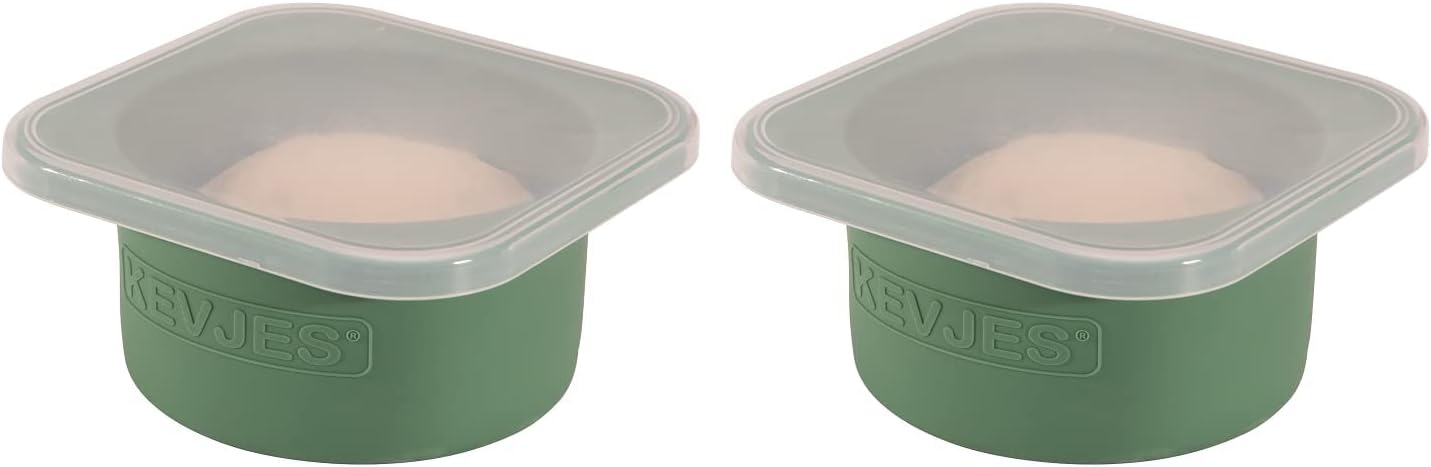
Clear lids offer an added advantage by letting you visually inspect the fermentation progress and rise height without breaking the seal. This non-invasive monitoring preserves the internal temperature and humidity levels, resulting in a consistent, perfectly hydrated texture. Prioritizing secure seals protects your dough from environmental fluctuations during overnight cold fermentation schedules and standard countertop proofing.
Refrigerator Organization and Stackability
Efficiently utilizing refrigerator shelf space is a major factor when proofing multiple batches of dough ahead of busy weekend baking sessions. Stackable containers with recessed handles or nesting designs allow you to build vertical columns of dough balls without risking instability or accidental tipping. Smart organization keeps your kitchen running efficiently during meal prep.
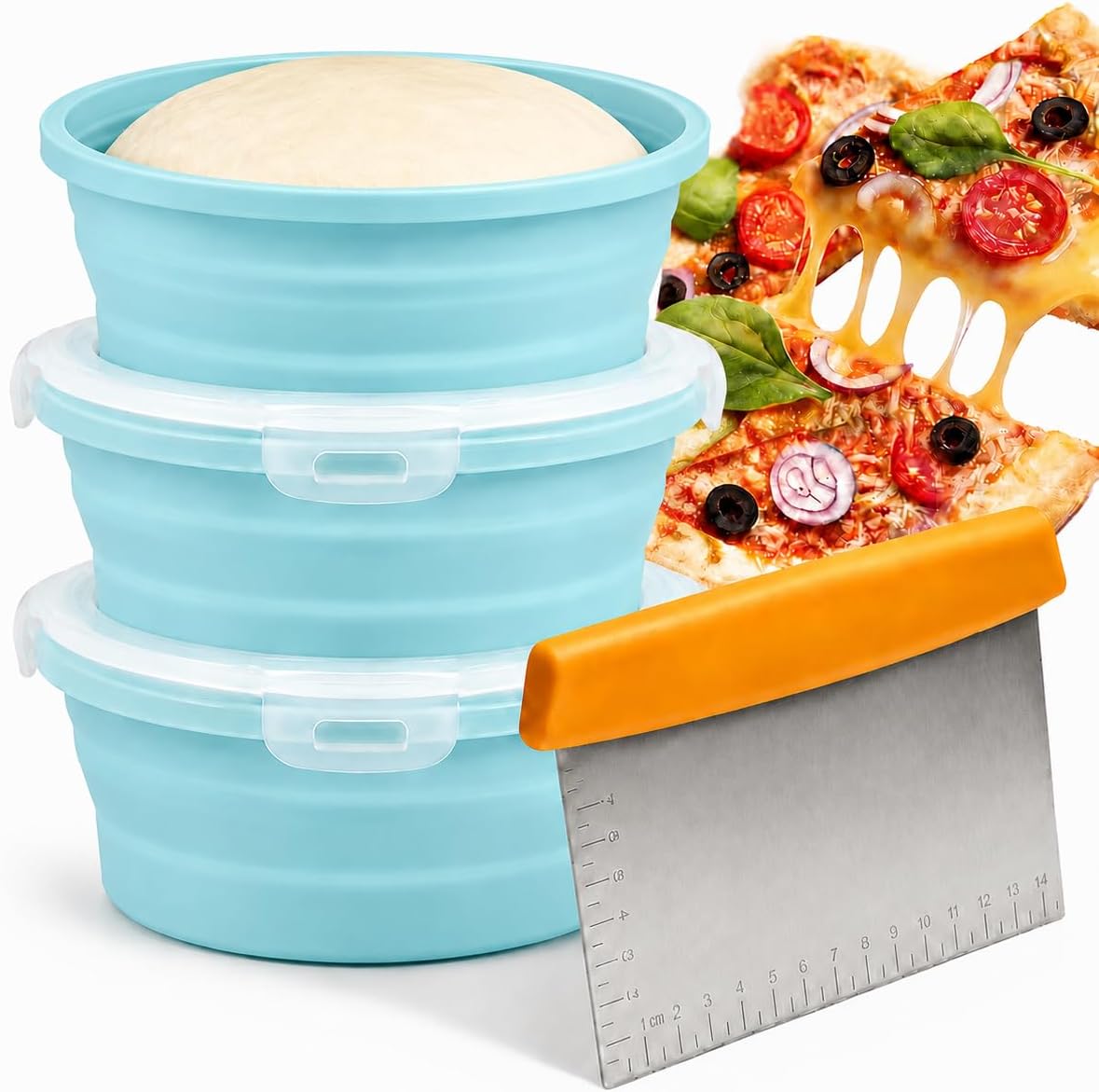
Collapsible silicone walls take space-saving a step further by shrinking down when empty, freeing up cabinet room between uses. Larger flat trays require more horizontal footprint but allow you to manage several portions inside a single unified profile. Evaluate your refrigerator layout carefully to choose a stacking style that maximizes available cold storage without crowding other groceries.
Cleaning and Maintenance Protocols
Keeping your proofing vessels hygienic requires straightforward cleanup routines that align with your daily kitchen habits and appliance availability. Many silicone and stainless steel options are fully dishwasher safe, allowing you to sanitize them easily after sticky dough remnants are cleared away. Proper washing preserves the material integrity.
Certain larger plastic boxes may require hand washing to prevent warping or damage to specialized seals and integrated handles over time. Always check manufacturer care guidelines before loading containers into high heat dishwashers or washing machines. Selecting easy-to-clean surfaces ensures your proofing equipment remains sanitary and ready for the next round of baking preparation without unnecessary effort.
Value Sets and Included Accessories
Purchasing multipacks often provides better overall value when you need to proof several individual dough portions simultaneously for a weekend pizza party. Many container kits include helpful extras like dedicated dough cutters, which simplify portioning and transferring your rested dough balls smoothly onto the workbench. Getting complete kits streamlines the entire baking workflow.
Evaluating what comes bundled in the package helps you avoid buying separate tools for dividing and handling sticky hydration doughs. Assessing multi-container value bundles ensures you have enough vessels to execute your weekly baking schedule without running short on equipment. Look for comprehensive sets that combine storage containers with practical preparation utensils for maximum convenience.
Frequently asked questions
Why use dedicated containers for pizza dough proofing instead of standard bowls?
Dedicated proofing containers provide controlled environments specifically engineered to manage dough fermentation and moisture retention. Unlike standard bowls that require plastic wrap, these vessels feature airtight lids with secure snaps or clips that prevent the outer dough surface from drying out during long cold fermentation cycles. Many models incorporate clear lids or stackable profiles that save refrigerator space while letting you monitor the rise without disturbing the internal temperature or humidity levels. This specialized design promotes consistent texture and flavor development for homemade pizzas.
How much dough should I place in a single proofing container?
The ideal dough amount depends directly on the rated capacity of your specific container model. For standard twelve-hundred to thirteen-hundred milliliter vessels, a four-hundred gram dough ball works best to produce a twelve to fourteen inch pizza crust. Smaller five-hundred milliliter containers are better suited for lighter one-hundred-eighty to two-hundred-fifty gram portions designed for ten to twelve inch Neapolitan pizzas. Overfilling a container restricts the necessary expansion space, while underfilling leaves excess air that can affect the fermentation process and alter your final crust quality.
Can I use these proofing containers for overnight cold fermentation in the refrigerator?
These containers are specifically designed to support cold fermentation and overnight proofing routines in home refrigerators. Airtight lids prevent refrigerator odors from penetrating the dough while locking in moisture so the surface stays supple over many hours. Stackable designs or nesting profiles allow you to load multiple containers vertically, maximizing cold storage space without overcrowding your shelves. This controlled chilling process enhances complex flavor development and improves the overall chewiness of your finished homemade pizza crust.
How do I prevent sticky dough from getting stuck inside silicone proofing boxes?
While food grade silicone offers natural non-stick properties, sticky high hydration doughs can sometimes cling to the container walls during removal. To ensure smooth release, many bakers lightly spray the interior with cooking oil or dust it with flour before placing the dough ball inside. This simple trick creates a barrier that allows the fermented dough to slide out effortlessly onto your work surface when you are ready to stretch and bake your homemade pizzas without tearing the delicate gluten structure.
What is the best way to clean and store my dough proofing containers after use?
Cleaning requirements vary depending on the specific material of your containers. Many silicone and stainless steel proofing boxes are fully dishwasher safe, allowing for effortless sanitization once food residues are rinsed away. Certain rigid plastic boxes may require gentle hand washing to protect specialized seals and plastic clasps from high heat warping. For storage, collapsible silicone models can be flattened to save cabinet room, while rigid or nesting sets stack neatly inside each other to keep your kitchen organized.