Appliances · Buying Guide
Best Tools for Maintaining a Sourdough Starter Feeding Routine
Mastering the correct ratio for feeding sourdough starter relies heavily on having the right equipment to measure, monitor, and maintain your live yeast culture. Whether you bake artisan bread daily or manage a weekly baking schedule, reliable glass jars, precise temperature controllers, and dedicated tracking bands help eliminate daily kitchen guesswork. Proper tools make weighing flour and water fractions straightforward.
Organizing your daily baking workflow becomes significantly simpler when you utilize dedicated fermentation vessels, clear measurement markings, and precision warming accessories. These carefully designed tools support consistent rising patterns, ensuring your active cultures remain healthy, bubbly, and completely ready for your next homemade loaf. Selecting appropriate containers ensures your fermented dough expands properly without messy counter overflows.
As an Amazon Associate, StacyLaughs earns from qualifying purchases.
Buying guide
Selecting the Right Container Capacity
Choosing an appropriate container size directly impacts how easily you manage flour and water ratios during daily feeding routines. Smaller glass vessels fit neatly inside cramped refrigerator shelves, but they severely limit the total volume of active culture you can maintain for large baking projects. Careful consideration of your recipe requirements prevents frequent container upgrades as your baking skills expand over time.
Larger containers provide ample vertical headroom for rapidly expanding yeast cultures, preventing messy counter overflows when your sourdough peaks aggressively after a scheduled feeding. Evaluate your typical weekly baking volume to determine whether a compact jar or a spacious fifty-ounce container suits your kitchen workflow best while keeping storage practical and cleanup manageable.
Evaluating Wide-Mouth vs Narrow-Mouth Openings
The physical opening of your fermentation jar plays a major role in how effortlessly you can execute daily maintenance tasks. Wide-mouth designs allow your spatula and measuring utensils to reach the bottom corners without catching on restrictive, narrow rims during flour additions. This thoughtful design element ensures accurate mixing of every feeding batch without spilling ingredients onto counters.
Cleaning sticky starter residue off interior walls becomes significantly faster when you do not have to squeeze cleaning tools through a tight bottleneck. Selecting a straight-sided jar with a generous opening ensures your feeding routine remains smooth, efficient, and completely free from unnecessary kitchen frustration over time while streamlining regular dishwasher cycles.
Understanding Temperature Control and Warmth
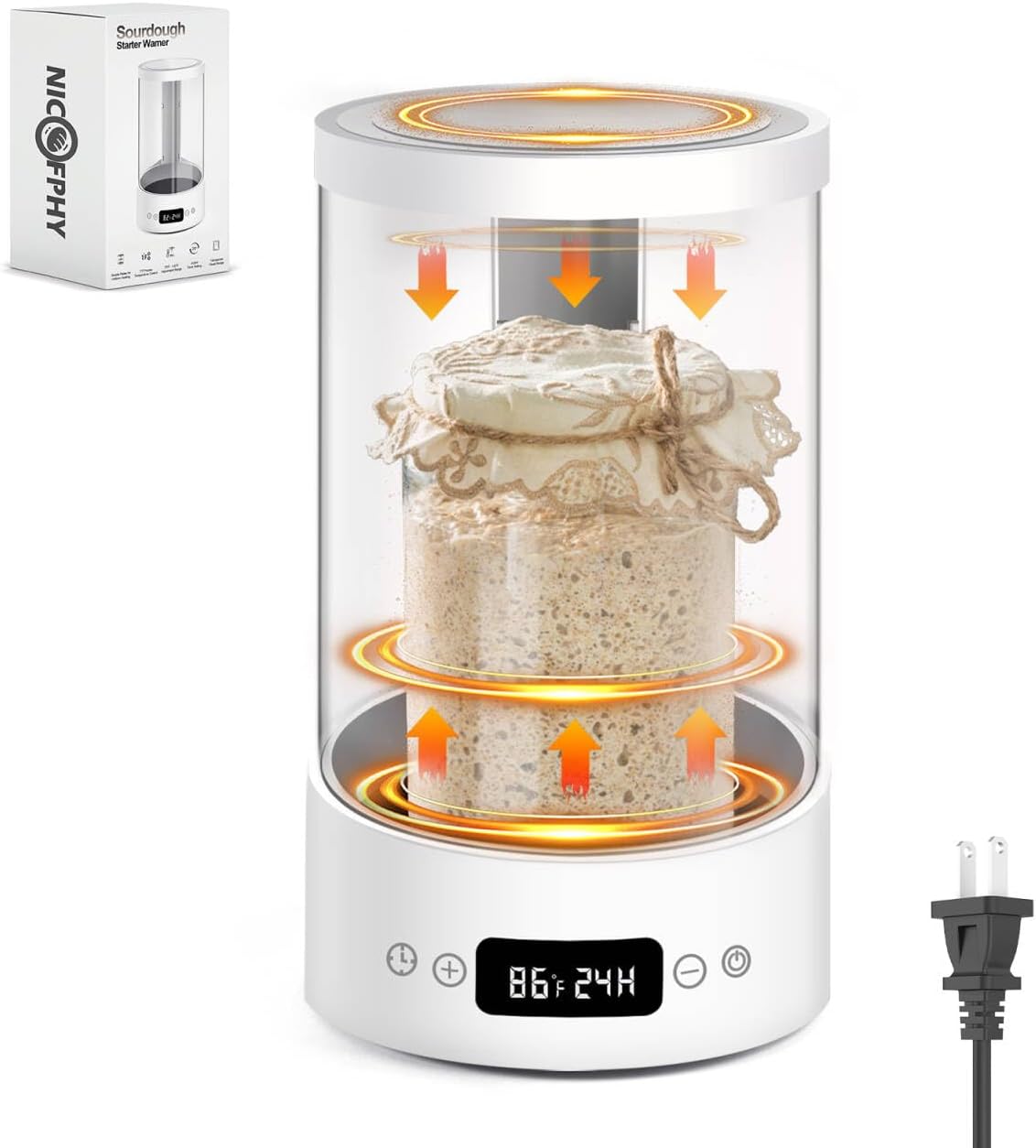
Ambient kitchen temperatures heavily dictate how fast your wild yeast consumes fresh flour and water after a feeding session. Cooler winter months can stall fermentation completely, requiring supplemental warmth from dedicated heating boxes or precision warming mats to keep yeast active and bubbling properly. Without thermal support, traditional feeding ratios may require significantly longer resting periods before dough preparation.
Maintaining consistent thermal conditions ensures predictable rising patterns so you can time your bread baking schedule accurately. Whether you choose an enclosed incubator box with dual heating plates or a probe-controlled base, temperature regulation eliminates environmental guesswork during colder seasons while optimizing your overall fermentation success and bread texture.
Utilizing Tracking Bands and Measurement Markings
Monitoring your starter rise is essential for determining when the culture has doubled or tripled after a scheduled feeding. Clear measurement markings printed directly onto the glass container let you observe growth levels accurately without estimating height visually across the counter. These permanent graduated markers withstand repeated dishwasher cleaning cycles without fading or wearing away.
Elastic feeding bands marked with weekdays or level indicators provide a movable physical marker to track the exact starting point of your active yeast. This simple combination helps you identify peak activity times so you know precisely when your starter is ready for baking bread or receiving its next scheduled flour ratio adjustment.
Choosing Lid Types for Fermentation and Storage
Sourdough maintenance requires different lid configurations depending on whether your culture is actively fermenting or resting in the refrigerator. Breathable cloth covers allow carbon dioxide gases to escape freely while encouraging proper airflow during active room-temperature growth phases. This vital ventilation prevents excessive pressure buildup inside the glass vessel during peak rising hours.
Airtight bamboo or silicone lids secure your glass jar when storing the starter in cold refrigerator temperatures between baking sessions, preventing unwanted surface drying or pantry contamination. Having access to dual lid options ensures your container adapts seamlessly to every stage of your sourdough routine without requiring separate accessory purchases.
Maintaining Stability and Countertop Safety
Vigorous mixing, flour stirring, and wall scraping can easily cause kitchen containers to slide around hazardously on smooth laminate or stone countertops. Adding a non-slip silicone base provides extra friction to keep your glass jar firmly planted during energetic feeding sessions. This stability reduces liquid spills and prevents messy kitchen accidents while handling heavy ingredients.
Protective bases also safeguard delicate glass bottoms against direct impacts on hard stone surfaces, reducing accidental chipping risks over years of heavy baking use. Investing in stable accessories creates a safer, more organized workspace environment for maintaining your daily sourdough starter routine without experiencing unexpected countertop frustration.
Frequently asked questions
What is the standard ratio for feeding a sourdough starter?
A common maintenance ratio is one part active starter to one part flour and one part water, often expressed as a one-to-one-to-one ratio by weight. For example, you might combine fifty grams of established starter with fifty grams of filtered water and fifty grams of flour. Adjusting these proportions depends on your baking schedule; bakers often use higher flour ratios like one to two to two when they want to slow down fermentation between weekend baking sessions or feed the culture less frequently.
Why is a wide-mouth jar recommended for sourdough starter feeding?
Wide-mouth glass jars make the physical process of feeding and cleaning significantly easier. When you add fresh flour and water, a wider opening gives your spatula plenty of room to reach the bottom corners without scraping against restrictive bottlenecks. This direct access ensures you thoroughly blend dry flour with active culture, preventing dry pockets. Furthermore, cleaning out sticky residue during routine maintenance takes less time when your cleaning sponge fits comfortably inside the straight-sided vessel without obstruction.
How do temperature-controlled warmers improve sourdough starter maintenance?
Temperature-controlled warmers provide a stable, windless environment that keeps wild yeast active even during cold winter months when kitchens drop in temperature. Devices featuring precise one-degree thermostat controls or stainless-steel core probes help eliminate guesswork by maintaining ideal thermal conditions for fermentation. By regulating the ambient or internal warmth, these machines speed up rising times and ensure consistent bubbling patterns, allowing bakers to predict exactly when their starter reaches peak maturity before mixing bread dough.
Can I use dual jars to manage different types of flour?
Maintaining a dual-jar system is an excellent strategy for bakers who experiment with different flour types, such as whole wheat, rye, or unbleached all-purpose flour. Having two separate containers lets you manage individual feeding schedules side by side without risking cross-contamination between cultures. Dedicated tracking bands and clear measurement markings on each jar make it simple to monitor separate rise rates simultaneously, ensuring an uninterrupted supply of active starter for various baking recipes.
What is the purpose of using a breathable cloth cover versus an airtight lid?
Breathable cloth covers are specifically designed for active fermentation phases because they allow carbon dioxide and fermentation gases to escape freely while maintaining proper airflow for yeast health. In contrast, airtight bamboo or silicone lids are ideal for sealing your jar when placing the culture into the refrigerator for storage between baking days. Using dual lid options ensures your container accommodates every phase of the sourdough cycle without requiring separate accessory purchases.