Appliances · Buying Guide
Best Rattan Banneton Proofing Basket Options for Artisan Sourdough
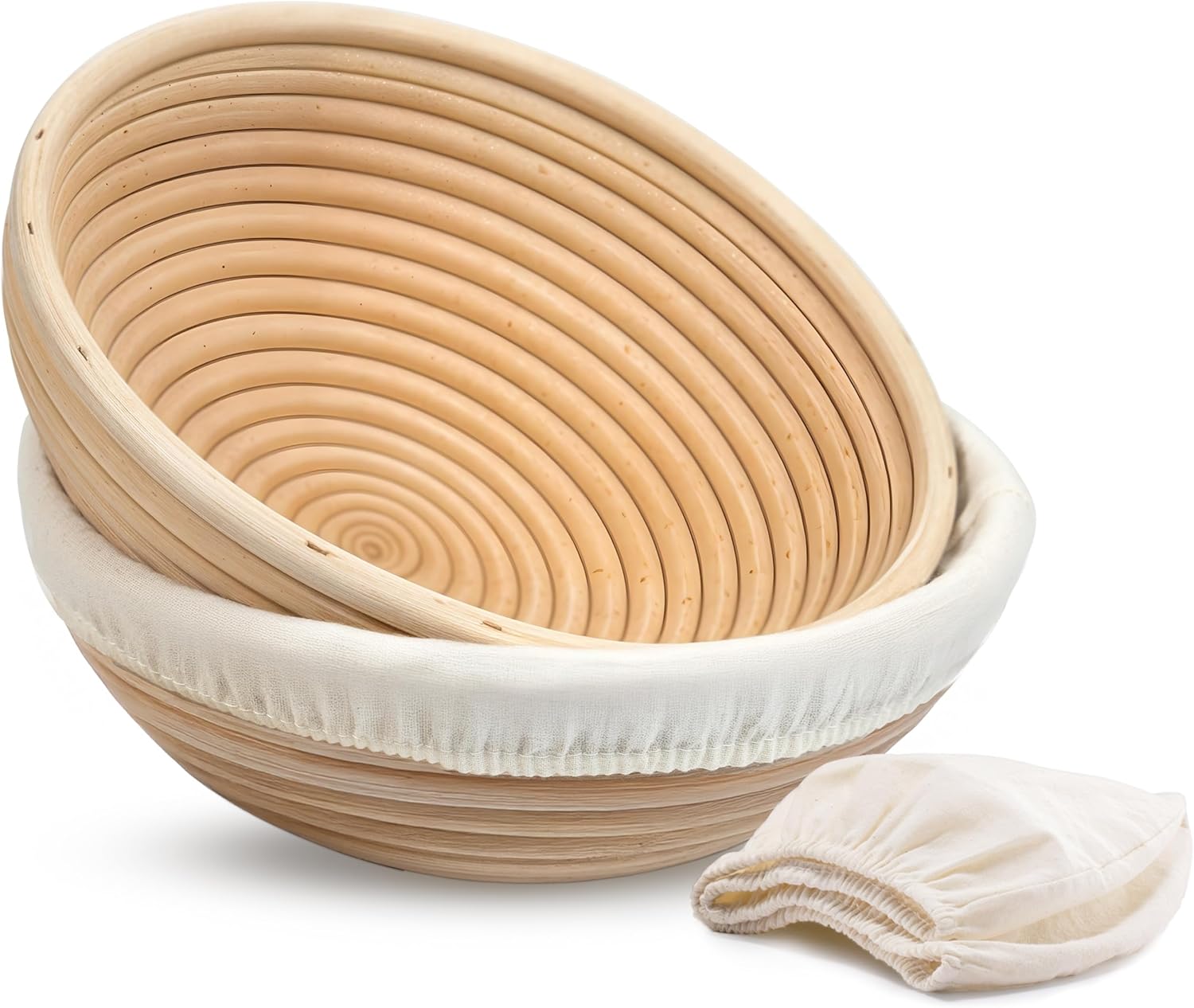
Baking artisan sourdough at home relies heavily on specialized equipment designed to support dough during the critical fermentation stage. A quality rattan banneton proofing basket provides structural support while helping shape classic boules and oval loaves. These traditional handmade bowls encourage proper airflow around the fermenting dough, fostering the ideal microclimate needed for a desirable crust.
Choosing the right proofing setup involves evaluating shape, bundle contents, and included accessories like washable liners. Whether you need a multi-pack of round bowls or a mixed set featuring both round and oval shapes, understanding the core construction helps match your baking workflow. Exploring these options ensures you select a reliable companion for your upcoming kitchen baking projects.
As an Amazon Associate, StacyLaughs earns from qualifying purchases.
Buying guide
Selecting the Correct Basket Shape
Choosing between round and oval basket geometries depends closely on the style of artisan bread you plan to bake most frequently. Round baskets produce classic boules fitting standard Dutch ovens, offering an even rise and traditional shape. Oval baskets create elongated batards, which work wonderfully for sandwich slices or rustic presentation boards. Assessing your preferred baking recipes helps determine the ideal shape for your kitchen goals.
Think about how your finished loaves will be baked, as oven configuration often dictates shape compatibility. While round boules maximize space in circular baking vessels, oval batards require oblong roasting pans or baking stones with sufficient length. Reviewing your existing bakeware inventory prevents sizing mismatches before dough preparation. Matching your proofing baskets to your oven ensures seamless transitions from rising to baking.
Understanding Dough Capacity and Sizing
Evaluating dough capacity ensures your proofing basket can comfortably support the entire volume of your fermented recipe without spilling over the edges. Most standard nine-inch baskets accommodate typical home baking proportions ranging between 1.5 and 2.2 pounds of dough. Exceeding these recommended limits can distort the rising structure, while under-filling may prevent the dough from developing proper tension against the inner walls during fermentation.
Measuring your typical batch sizes before purchasing helps avoid common sizing errors in the kitchen. If you regularly scale recipes for larger family meals, selecting high-capacity options provides the necessary volume for substantial boules. Conversely, bakers producing smaller daily loaves might prefer compact vessels that require less storage room. Balancing your batch requirements with basket dimensions keeps your baking routine organized and efficient.
Material Composition and Natural Cane
Natural rattan cane remains the preferred material for traditional proofing baskets due to its exceptional breathability and moisture-absorbing properties. This organic material helps draw excess humidity away from the outer skin of the dough, creating the ideal microclimate for a crispy crust. Choosing authentic rattan ensures traditional spiral patterns imprint clearly onto your unlined boules during the final proofing stage before baking.
Inspecting the construction quality of natural cane baskets ensures a smooth, splinter-free surface that protects your hands and prevents dough fibers from tearing. High-quality manufacturing methods utilize secure hidden fastenings or hand-weaving techniques to maintain long-term structural integrity without loose points. Prioritizing well-crafted rattan vessels guarantees dependable performance across numerous baking batches while keeping your kitchen workspace safe and tidy.
Utilizing Fabric Liners Versus Bare Rattan
Deciding whether to use fabric liners or bake directly against bare rattan involves balancing surface texture preferences with cleanup convenience. Fabric liners provide a smooth barrier that prevents sticky dough from adhering to the cane rings, making them ideal for high-hydration recipes or novice bakers. However, using bare rattan allows the wooden structure to imprint distinctive spiral ridges directly onto the crust for an authentic bakery appearance.
Many basket sets include removable cloth covers, giving you the flexibility to switch between lined and unlined proofing methods depending on the specific bread recipe. Managing fabric liners requires proper laundering routines, such as hand-washing in mild vinegar water rather than harsh machine detergents. Evaluating your comfort level with flour dusting versus fabric maintenance helps you select the most practical setup for your baking workflow.
Maintenance and Cleaning Best Practices
Proper maintenance extends the lifespan of natural rattan proofing baskets by preventing moisture accumulation and mold growth between baking sessions. After each use, simply tap out excess flour and allow the basket to air-dry thoroughly in a well-ventilated area before storing. Avoid submerging natural rattan in standing water or using harsh dishwashing detergents, as excessive moisture can warp the wooden cane structure over time.
If you use fabric liners, follow manufacturer cleaning guidelines carefully to prevent shrinkage and maintain fabric integrity. Washing cloth covers in diluted vinegar water helps clean the material without introducing chemical soap residues that could transfer to your sourdough starter. Adopting these straightforward care habits keeps your proofing equipment hygienic, structurally sound, and ready for your next weekend baking project.
Evaluating Multi-Pack Value Versus Single Baskets
Purchasing multi-pack proofing baskets offers significant advantages for home bakers who enjoy producing multiple loaves simultaneously or sharing freshly baked goods with friends and family. Having two matching baskets streamlines batch baking schedules, eliminating wait times between successive proofing cycles. This efficiency proves especially beneficial when preparing weekend bread supplies or managing larger gatherings where a single loaf is simply not enough.
Assessing your baking frequency helps determine whether a multi-pack bundle or an individual basket best serves your household requirements. While sets provide greater overall value and baking capacity, they also demand additional storage space inside kitchen cabinets. Weighing your storage capacity against your batch output ensures you choose a practical bundle that enhances your baking experience without cluttering your kitchen workspace.
Frequently asked questions
How do I prevent bread dough from sticking to a rattan proofing basket?
Preventing dough adherence relies on proper flour dusting before placing your shaped loaf inside the basket. Using rice flour is particularly effective because it resists absorption better than standard wheat flour, creating a reliable non-stick barrier against the rattan cane. Alternatively, you can insert a washable fabric liner dusted lightly with flour. Ensuring the basket is completely dry before adding flour further prevents moisture from causing the dough to stick during the fermentation period.
Can I wash my rattan banneton proofing basket with soap and water?
Submerging natural rattan baskets in standing water or washing them with traditional dish soap is generally discouraged. Excessive moisture causes the natural cane to swell, warp, or retain dampness, which can lead to mold growth over time. Instead, simply shake or tap out any residual dry flour after each use and let the basket air-dry thoroughly in a well-ventilated space. If stubborn dough particles remain, allow them to dry completely and gently brush them away.
What is the difference between proofing a loaf in a lined versus unlined basket?
Proofing a loaf in a lined basket provides a smooth, uniform surface finish on your baked bread, which is especially helpful for high-hydration doughs that tend to grip porous materials. In contrast, proofing without a liner allows the bare rattan rings to come into direct contact with the dough surface. This direct contact imprints the classic spiral pattern onto your crust while helping draw away moisture to form a crisp exterior texture during baking in your hot oven.
How do I clean and maintain the included fabric basket liners?
Fabric basket liners require gentle care to maintain their shape and prevent unwanted shrinkage over time. Many manufacturers recommend hand-washing cloth liners in cold water mixed with a small amount of white vinegar rather than using standard laundry detergents with chemical additives. This method cleans the fabric safely without leaving soap residues that might affect your sourdough starter. After washing, hang the liners up to dry completely before storing them away with your baking equipment.
What size dough fits best in a standard nine-inch round proofing basket?
Most standard nine-inch round proofing baskets are designed to comfortably hold dough weights ranging from approximately 1.5 to 2.2 pounds. This specific capacity accommodates a typical single-loaf recipe while allowing the dough enough room to expand properly during its final rise. Exceeding this recommended weight limit can cause the dough to spill over the sides or lose its structural shape, while under-filling may result in a flatter loaf lacking proper tension against the basket walls.