Appliances · Buying Guide
Best Rattan Bread Proofing Baskets for Perfect Sourdough Loaves
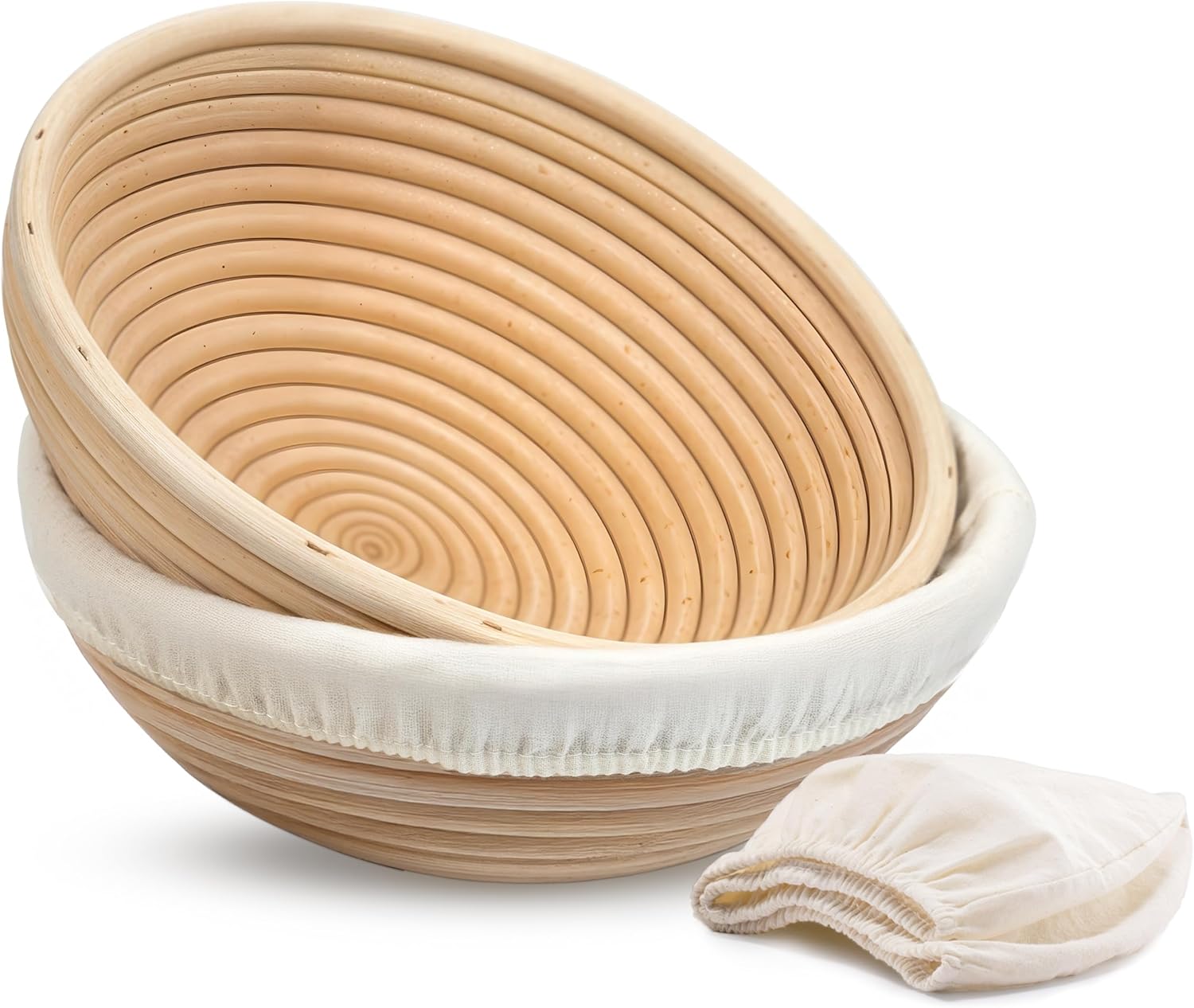
Baking artisan sourdough at home relies heavily on proper dough support during the final rise and fermentation. Using a quality rattan bread proofing basket helps maintain your loaf structure while creating classic circular or oval patterns. These traditional cane bowls wick away excess moisture to form an ideal microclimate for a crispy crust and professional finish.
Whether you are baking your first loaf or managing a busy weekly routine, choosing the right banneton set simplifies flour dusting, dough release, and cleanup. Options range from simple two-pack round baskets to complete tool kits featuring scrapers, whisks, and linen liners designed to make home baking smooth and rewarding.
As an Amazon Associate, StacyLaughs earns from qualifying purchases.
Buying guide
Material Quality and Natural Cane Construction
Selecting a proofing basket starts with evaluating the cane material used in its construction. Natural Indonesian rattan or cane offers the breathability necessary for proper dough moisture management during long fermentation periods. This organic breathability allows air to circulate freely around your rising dough, preventing excess moisture accumulation and helping establish a firm outer skin for superior crust development.
Quality baskets avoid chemical dyes and harsh treatments, ensuring food safety during direct dough contact. Look for handwoven options that feel smooth and resist splintering over repeated baking sessions. A well-constructed cane basket maintains its structural integrity through dozens of proofing cycles without imparting unwanted odors or altering your sourdough flavor profile. Proper maintenance ensures long-term durability.
Choosing the Right Basket Shape and Size
Bread proofing baskets come in various shapes and dimensions to match your specific baking goals. Round baskets are traditional for classic boules, while oval options accommodate elongated batards and rustic sandwich loaves. Selecting the correct geometry ensures your dough retains structural support as it expands, preventing outward spreading and encouraging a vertical rise.
Consider the typical weight of your dough batches when selecting dimensions. Most standard nine-inch baskets comfortably handle dough weights between one and two pounds, ensuring your loaf maintains proper height without spilling over the rim during active fermentation. Matching capacity to your recipe prevents structural collapse and guarantees well-proportioned loaves every single time you bake.
Understanding Liners Versus Bare Rattan
Linen or cloth liners provide a smooth barrier that prevents sticky dough from aggressively gripping the cane ridges. They are especially helpful for higher hydration doughs that tend to adhere to natural wood fibers during the final proof. Liners also simplify cleanup by keeping flour contained and protecting the basket interior from direct moisture exposure.
Deciding whether to use a fabric liner depends on your desired crust texture and visual finish. Bare rattan contacts the dough directly, leaving distinctive spiral ring patterns on the final baked loaf. Many bakers switch between lined and unlined proofing depending on the specific bread style they want to achieve for family dinners or gatherings.
Cleaning and Maintenance Best Practices
Proper cleaning preserves the longevity and hygiene of your rattan proofing baskets. After each use, shake out excess flour and allow the basket to air dry completely in a well-ventilated space before storing it away. Never expose your baskets to harsh chemical detergents or dishwasher cycles, which strip natural fibers and degrade the cane material over time.
If dough sticks to the cane, let it dry entirely before using a stiff brush to gently flake it away. Avoid submerging baskets in standing water, as excess moisture can warp the natural wood or encourage mold growth. For cloth liners, washing in plain water or vinegar helps avoid chemical residues while maintaining fabric softness.
Evaluating Kit Inclusions and Extra Accessories
Many proofing basket options are sold as part of comprehensive baking kits that include helpful preparation tools. Evaluating these extras helps determine whether a bundle offers genuine value for your home kitchen setup. Having the right instruments on hand simplifies every stage of the sourdough process, from initial flour mixing to precise dough scoring before baking.
Common accessories include metal-bladed bread lames for scoring decorative patterns, flexible plastic dough scrapers for easy manipulation, stainless steel whisks for thorough mixing, and specialized brushes for effortless flour removal. Choosing a bundled set saves you from purchasing individual tools separately while completely outfitting your baking station for successful artisan bread production.
Storage and Kitchen Space Considerations
Storing your proofing baskets properly ensures they remain ready for your next baking session without cluttering limited kitchen cabinets. Because many round and oval baskets stack neatly inside one another, they take up minimal vertical space in crowded pantries or baking supply shelves. Evaluating your available storage space helps you decide between single baskets and larger multi-piece accessory kits.
Keep your baskets in a dry, airy area to prevent humidity buildup between baking days. Proper air circulation around stored cane prevents mold growth and keeps your baking tools fresh and ready for immediate use. Giving your baskets adequate breathing room protects the natural wood fibers and extends the overall usable lifespan of your baking equipment.
Frequently asked questions
Why do I need to use rice flour in a rattan proofing basket?
Rice flour is essential because it has no gluten, meaning sticky sourdough dough will not bond to it the way wheat flour can. When you dust your rattan basket thoroughly with rice flour, it creates a non-stick barrier between the dough and the natural cane ridges. This ensures your loaf slides out smoothly onto your hot baking surface without tearing or losing its shape. Regular wheat flour can absorb moisture and glue the dough to the basket, ruining your pattern.
How do I clean my rattan proofing basket after baking?
Cleaning a rattan basket is simple and does not require water or soap. After your dough has been transferred to the oven, let any remaining flour inside the basket dry out completely. Once dry, use a stiff-bristled brush to gently sweep away leftover flour and stuck dough particles. If dough is stubborn, let it dry entirely before brushing. Never submerge the basket in water or put it in the dishwasher, as excess moisture will warp the natural cane.
Should I use the linen liner or bake directly against the rattan?
Choosing between a linen liner and bare rattan depends entirely on the aesthetic and crust style you want for your bread. Baking directly against the rattan creates traditional, professional spiral ring patterns on your boule and helps form a crisp outer skin by absorbing dough moisture. Using a linen liner provides a smooth, untextured surface and prevents sticking, which is especially helpful for very wet, high-hydration doughs that are difficult to release from raw wood fibers.
What size dough fits into a standard nine-inch proofing basket?
A standard nine-inch round proofing basket is typically designed to accommodate dough weights ranging from 1.5 to 2.2 pounds, or roughly one kilogram. This capacity provides enough room for the dough to expand and rise during fermentation without spilling over the rim. If your dough recipe falls within this range, the basket will properly support its shape and help develop a tall, well-proportioned loaf. Always check your specific recipe size before proofing.
How should I store my banneton baskets when not in use?
Banneton baskets should be stored in a clean, dry, and well-ventilated area to prevent humidity buildup and mold growth. Because many round baskets are stackable, you can nest them together to save space in your pantry or cabinet. Ensure the baskets are completely bone-dry before putting them away. Storing them in damp enclosures or plastic bags traps moisture and damages the natural cane fibers over time, shortening the lifespan of your baking tools.