Appliances · Buying Guide
Best robert's pizza and dough alternatives for quick homemade crusts
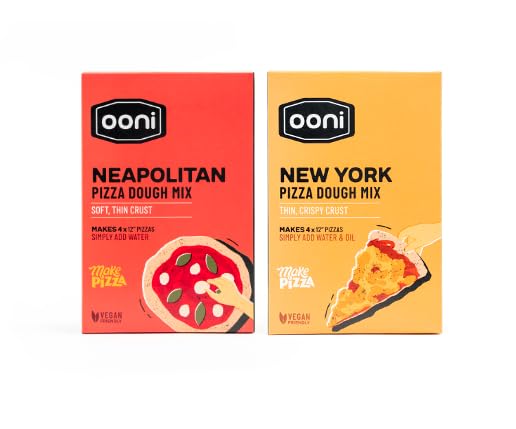
Making pizza at home often starts with finding the right ingredients to match your favorite pizzeria styles. Whether you are aiming for a classic thin crust or a pillowy Neapolitan base, selecting the proper mix changes how your kitchen operates. Enthusiasts searching for robert's pizza and dough options often look for convenience, reliable texture, and straightforward preparation methods that fit busy schedules.
Exploring pre-measured mixes and baking bundles allows home cooks to experiment with different flour types, seasonings, and hydration times without starting from scratch. From quick three-hour dough preparations to traditional flour and semolina combinations, these packaged options support a variety of oven types and baking skill levels. Understanding what each product provides helps you choose the right kit for your next weekend pizza night.
As an Amazon Associate, StacyLaughs earns from qualifying purchases.
Buying guide
Choosing Between Pre-Mixed Dough And Scratch Flours
Selecting between convenient pre-mixed dough packages and traditional bulk flours depends directly on your available time, kitchen experience, and overall baking goals. Pre-blended options remove the usual guesswork by combining dry ingredients into ready-to-hydrate formats that take only minutes to set up. They significantly simplify busy weeknight routines when household schedules run tight and dinner needs to happen quickly.
On the other hand, raw artisan flours offer much greater flexibility for adjusting hydration ratios, protein percentages, and long fermentation times. Bakers who enjoy experimenting with unique textures and crumb structures often prefer building dough completely from scratch using specialized milled grains, separate yeasts, and custom oils.
Understanding Oven Compatibility And Heat Limits
Different flour blends and mixes react uniquely depending on the maximum temperature your kitchen equipment can reach. Conventional household ovens typically operate at lower heat ranges, whereas specialized outdoor pizza ovens climb much higher. Matching your chosen mix or flour type to your specific heat source ensures proper crust browning and interior crispness without burning the outer edges before the center fully cooks through.
Specialized zero-zero flour formulations are engineered to perform reliably across both standard kitchen appliances and high-heat baking environments. Pre-measured dough mixes likewise provide predictable results in standard home setups. Reviewing your oven specifications carefully helps you avoid smoke buildup, uneven baking outcomes, and disappointing textures during weekend family dinner preparation.
Managing Proving Times And Meal Schedules
Dough preparation requires careful attention to timing, especially when working with packaged products that depend on a specific resting or proving window. Some quick grocery mixes require only a brief five-minute rest, while others mandate a three-hour proving phase to achieve proper elasticity and rise. Planning around these intervals prevents rushed baking sessions and ensures your dough stretches evenly without tearing.
If you frequently host spontaneous weekend pizza gatherings, keeping fast-acting options in your pantry ensures you can transition from box to oven with minimal delay. Longer fermentation styles require advance scheduling but reward patience with complex flavors. Assess your typical weekly routine to find a product that fits your personal schedule.
Evaluating Batch Sizes And Household Demands
Matching the yield of a pizza mix directly to the size of your household prevents food waste and ensures everyone gets enough to eat. Single-crust bags cater well to smaller families or solo cooks who want fresh pizza without managing extra leftovers. Larger multi-pack bundles and multi-ball boxes better support family gatherings or households with hungry teenagers.
Consider how many pies you typically bake in a single evening before purchasing bulk quantities or large multi-packs. Storing extra boxes in a cool pantry provides a reliable backup for busy weeks, but you should balance your inventory levels against how frequently you actually plan to host weekend pizza nights throughout the year.
Utilizing Surface Additives And Seasonings
The exterior texture and flavor of a homemade pizza depend heavily on the final surface touches applied right before baking. Coarse semolina flour prevents sticky dough from adhering to wooden peels and hot baking stones while creating a pleasant crunch along the bottom crust. Adding a high-gluten exterior flour also gives your finished crust an enjoyable chew and attractive golden color.
Incorporating specialized seasonings and dusting flours transforms a basic homemade pie into a remarkably flavorful meal. Selecting product bundles that include these extra components saves you from purchasing separate spice jars and specialty grains independently, streamlining your grocery shopping process for upcoming weekend baking nights and family dinners.
Storage And Shelf Life Considerations
Proper storage ensures your pizza mixes and dry flours maintain their foundational freshness and active leavening power until you are actually ready to bake. Keeping dry packages sealed tightly in a cool, dark pantry protects them from excess household moisture and heat degradation over time. Always check manufacturer packaging guidelines to maximize ingredient longevity for future meals.
Large bags of specialty flour and multi-pack bundles require dedicated cabinet shelf space and careful stock rotation to prevent spoilage over extended periods. Buying only what your household can comfortably consume within a reasonable timeframe keeps your baking ingredients fresh and guarantees optimal performance during every single kitchen cooking session.
Frequently asked questions
Can I use regular all-purpose flour instead of specialized zero-zero flour for homemade pizza?
While regular all-purpose flour works in a pinch for standard home baking, specialized zero-zero flour is milled much finer and typically features a different protein content suited for achieving authentic Neapolitan textures. Zero-zero flour handles high oven temperatures effectively without burning instantly, creating a crisp exterior and tender interior. All-purpose flour yields a softer, more bread-like crust that browns differently in standard household ovens. If you want authentic pizzeria results, using the specific flour recommended in your recipe provides better structural integrity and stretch during the shaping process.
How long does pre-mixed pizza dough need to rest before stretching?
Resting times vary significantly depending on the specific product formulation you choose for your baking session. Some quick grocery mixes require only a brief five-minute rest period after adding hot water, allowing you to assemble and bake dinner almost immediately. Other artisan-style mixes mandate a three-hour proving phase to give the yeast time to develop proper elasticity and gas production. Following the manufacturer instructions ensures the dough relaxes enough to stretch into a twelve-inch circle without tearing or snapping back into a smaller shape on your peel.
What is the purpose of using semolina flour on a pizza peel?
Coarse semolina flour acts as a natural roller bearing between your raw pizza dough and the wooden or metal peel surface. Because semolina grains do not absorb moisture as quickly as standard flour, they prevent sticky dough from gripping the peel and ruining your launch. Additionally, a dusting of semolina adds a pleasant, rustic crunch to the bottom crust and imparts a subtle golden color as it bakes. It is a preferred choice for home bakers using high-heat ovens or baking stones.
Are pre-measured pizza dough mixes suitable for beginners?
Pre-measured pizza dough mixes are exceptionally well-suited for beginners because they eliminate the guesswork of calculating flour, yeast, and salt ratios. Most boxed options require only adding water and following a guided step-by-step process to produce consistent dough balls. This removes the intimidation factor often associated with measuring ingredients from scratch. Beginners can focus entirely on learning how to knead, stretch, and top their pizzas without worrying about underlying flour chemistry failures or improper hydration levels during preparation.
Can I store leftover dry pizza mix for future use?
You can store leftover dry pizza mix or opened flour bags safely if you keep them sealed tightly in a cool, dry pantry environment. Protecting the dry ingredients from humidity and excess heat prevents premature yeast activation and moisture clumping. For best results, fold opened bags securely or transfer the contents into airtight containers. Always inspect the packaging guidelines and check for freshness before starting a new baking project, ensuring your yeast remains active and capable of providing a proper rise.