Appliances · Buying Guide
Best Roller Pin For Baking: Find Your Ideal Dough Rolling Tool
Choosing the right roller pin for baking can completely change how you handle delicate pastry, thick pizza dough, or everyday cookie batches. Different materials like solid beech wood, natural marble, and stainless steel bring distinct physical properties to your kitchen counter, directly affecting total weight, handle comfort, and how easily dough releases from the rolling surface during prep.
Whether you prefer a classic handled wooden barrel, a cooling marble cylinder, or an adjustable metal model with precise sizing rings, understanding your preferred baking style helps narrow down the options. This detailed guide examines five distinct rolling pins, highlighting their unique builds, handle designs, and everyday kitchen applications to match your favorite homemade recipes seamlessly.
As an Amazon Associate, StacyLaughs earns from qualifying purchases.
Buying guide
Material Selection and Surface Performance
The material of your roller pin for baking dictates how it interacts with different types of dough. Wood provides a classic, warm feel and reliable grip, while stainless steel offers a smooth, nonporous surface that resists odors and cleans easily in the dishwasher. Marble brings a heavy, naturally cooling property that helps keep pastry fats firm during prep.
Evaluating your primary baking recipes helps determine the ideal material choice for your kitchen. If you frequently roll out buttery pie crusts, a marble or stainless steel pin helps prevent melting. For everyday cookies, bread, and pasta, traditional beech or teak wood options deliver comfortable performance and balanced weight.
Understanding Handle Styles and Control
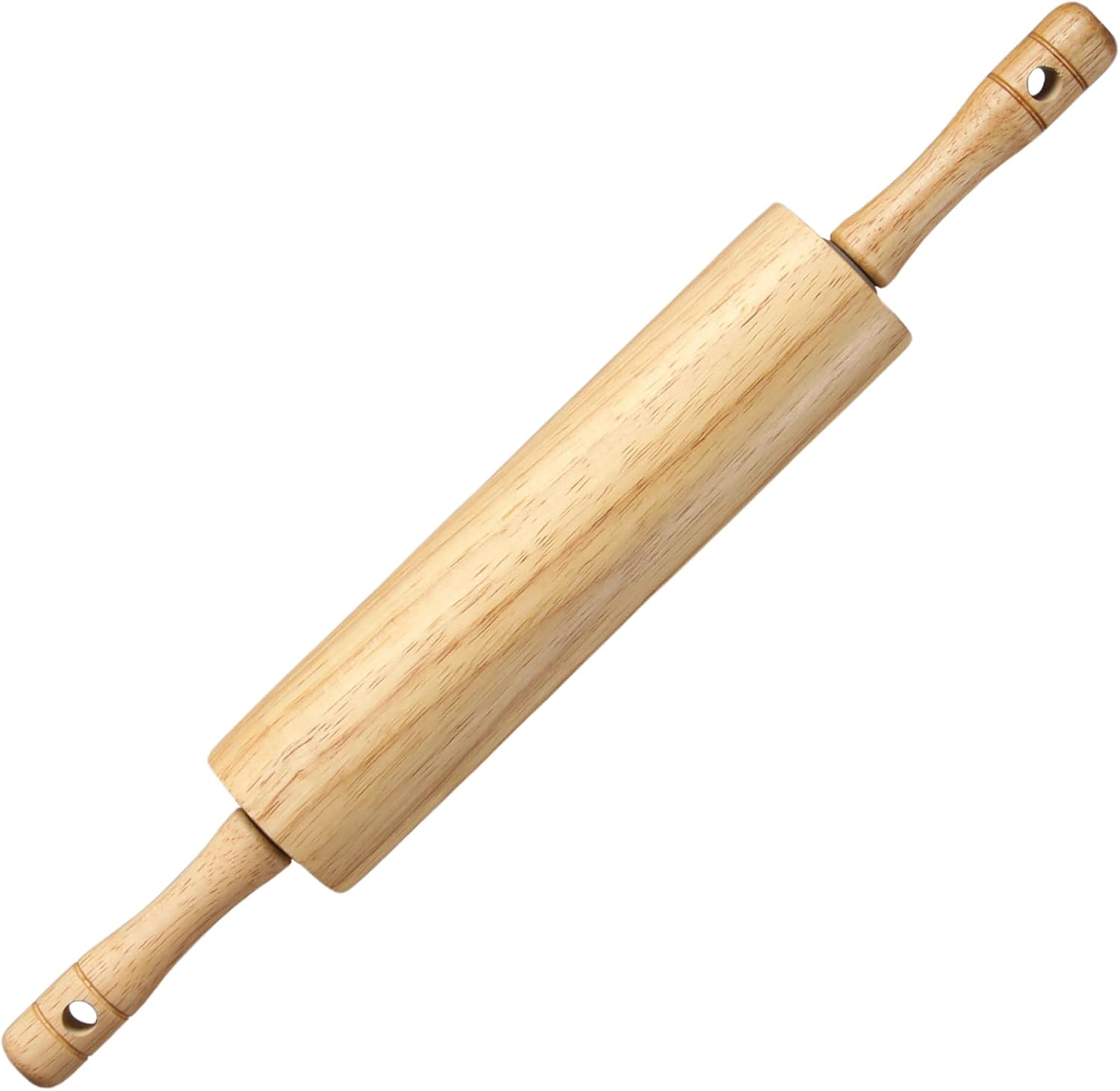
Rolling pins generally feature either traditional ergonomic handles connected to a rotating barrel or a handle-free, straight cylinder design. Handled models offer leveraged grip and reduce wrist strain during repetitive tasks like cutting cookies, shaping pie crusts, or rolling out large pizza bases across your kitchen counter, making them especially accessible for baking beginners.
Handle-free pins rely on direct palm pressure across the entire barrel, giving you sensitive tactile feedback on exact dough thickness and surface resistance. Consider how you prefer to apply downward force and manage hand placement when choosing between these distinct ergonomic designs for your daily baking projects, always keeping long-term wrist comfort in mind.
Thickness Control and Sizing Rings
Achieving uniform dough thickness is crucial for successful even baking results, especially when preparing delicate cookies, homemade noodles, or layered pastry sheets. Adjustable rolling pins equipped with removable sizing rings eliminate guesswork by physically stopping the barrel at predefined heights, ensuring every single batch bakes at the exact same rate in the oven.
These rings typically range from thin millimeter options up to thicker settings suitable for hearth bread and pizza dough. If your regular baking recipes demand exact physical measurements without constantly relying on a separate pastry ruler, selecting an adjustable model simplifies your kitchen preparation process significantly and saves valuable time during busy cooking sessions.
Maintenance and Cleaning Requirements
Proper cleaning and regular maintenance ensure your rolling pin remains in top functional condition for years of reliable kitchen use. Traditional wooden models generally require gentle hand wiping with a damp cloth followed by thorough drying, plus occasional applications of food-grade oil to prevent the natural wood from drying out or cracking over time.
In contrast, metal and stainless steel pins often tolerate direct dishwasher cleaning cycles and resist moisture absorption entirely. Reviewing specific manufacturer care instructions before purchasing helps you select a tool that seamlessly matches your preferred kitchen cleanup routine without demanding excessive daily upkeep effort or special storage considerations in crowded cabinets.
Weight and Physical Dimensions
The physical weight and overall dimensions of a rolling pin directly influence how much downward physical force you need to apply during food prep. Heavy marble or solid metal pins use natural gravity to flatten tough bread dough effortlessly without straining your arms during extended kitchen sessions, making them ideal for heavy baking tasks.
Conversely, lighter wood options offer greater maneuverability and easier control for delicate pastry tasks where a gentle touch matters most. Matching the tool size, diameter, and overall length to your typical kitchen workspace and cabinet storage capacity ensures comfortable daily use across various family recipes, pastries, and baking projects throughout the year.
Storage Solutions and Accessories
Storing a rolling pin safely prevents accidental counter falls and keeps your kitchen workspace organized between cooking sessions. Some advanced models include dedicated wooden resting bases or storage cradles that can even double as convenient stands for recipe tablets or phones during food preparation, adding extra everyday utility to your home kitchen setup.
Considering how you will store your pin—whether flat in a drawer, upright on a display stand, or hanging on a rack—helps protect the delicate rolling surface from scratches and structural damage. Accessories like removable sizing rings also need secure storage containers to prevent accidental loss between busy baking days and holiday baking events.
Frequently asked questions
Which material is best for rolling out pastry dough?
Natural marble is often considered ideal for pastry dough because its cool surface temperature helps prevent butter and other fats from melting while you roll. Stainless steel also provides a smooth, chilled surface when used correctly. However, if you prefer a lighter tool with traditional tactile feedback, wood options like beech or teak work wonderfully for pastries when floured properly. Your choice ultimately depends on whether you prioritize natural cooling properties or classic ergonomic handle comfort during your baking sessions.
How do adjustable rolling pins work?
Adjustable rolling pins feature removable rings in various thicknesses that slide onto the ends of the barrel. These rings act as physical spacers, ensuring the rolling pin stays a specific height above your counter. This design eliminates guesswork and helps you roll out uniform dough sheets for cookies, pie crusts, and pasta noodles. While they require keeping track of extra parts, they provide unmatched consistency for bakers seeking precise thickness measurements across multiple different recipes and kitchen projects.
Do wooden rolling pins require special care?
Yes, wooden rolling pins generally require hand washing with a damp cloth rather than complete submersion in water or placement in a dishwasher. To keep the wood from drying out, cracking, or losing its smooth texture, you should dry it thoroughly and occasionally apply food-grade oil. This simple maintenance routine preserves the natural wood grain and ensures your rolling pin remains durable and splinter-free for years of everyday home baking tasks and pastry preparation.
Are handled rolling pins better than handle-free styles?
Handled rolling pins feature rotating barrels attached to fixed grips, which offer excellent leverage and help minimize wrist strain during repetitive tasks like rolling cookie dough or large pizza bases. On the other hand, handle-free French-style pins allow for direct downward palm pressure across the entire cylinder, giving you greater tactile feedback on dough resistance. Neither style is universally better; the right choice depends entirely on your personal hand comfort and preferred rolling technique.
Why would someone choose a marble rolling pin?
Bakers choose marble rolling pins primarily for their heavy weight and natural cooling properties. The heavy stone utilizes gravity to help flatten tough dough with minimal downward effort, while the cool surface keeps pastry fats from softening too quickly. Additionally, polished marble offers a naturally nonstick surface that requires less flour and adds an attractive aesthetic to your kitchen accessories. However, it is heavier to maneuver and lacks thickness adjustment rings for precise baking measurements.