Appliances · Buying Guide
Best Rye Flour for Sourdough Bread Baking Selections
Choosing the ideal rye flour for sourdough baking transforms everyday homemade loaves into rustic masterpieces with deep, earthy character and robust flavor profiles. Bakers frequently look for specific grinds, whole grain integrity, and clean agricultural certifications to support active fermentation and build complex flavors in their artisan breads, pretzels, and rustic pizza doughs.
Whether you require massive quantities for high-volume baking or compact packages for weekend kitchen projects, distinct options suit various storage capacities and recipes. Exploring these diverse grain formats, total weights, and secondary grain pairings helps you select the proper foundation for your next successful sourdough loaf, bagel batch, or specialty pastry creation.
As an Amazon Associate, StacyLaughs earns from qualifying purchases.
Buying guide
Grain Grind and Texture
The physical grind of rye flour heavily influences how your sourdough dough absorbs water and develops structure during fermentation. Finely milled dark rye options provide a smooth distribution throughout dense dough matrices, helping create a cohesive crumb structure. Coarser grinds introduce distinct rustic flecks and a heavier mouthfeel, altering the final texture of artisan loaves and rustic pizza crusts.
Evaluating your preferred bread style helps determine which texture suits your baking routine. Lighter sandwich breads often benefit from a finer flour grind to maintain even slicing characteristics. Conversely, rugged artisan boules embrace coarser whole-meal particles for maximum visual appeal and a robust, traditional bite. Matching the grind specification to your target recipe prevents unexpected density issues.
Whole Grain Versus Refined
Selecting between wholemeal rye and lighter refined varieties impacts both the nutritional profile and the fermentation behavior of your sourdough starter. Wholemeal flours retain the bran and germ layers, introducing vital fiber, protein, and minerals directly into your dough. This abundance of natural nutrients feeds wild yeasts actively, resulting in a more vigorous and lively fermentation process over time.
Whole-grain products also impart a deeper, earthier flavor profile that defines traditional European-style dark breads. While lighter flours produce a milder taste and softer crumb, wholemeal options demand adjustments to hydration levels because bran absorbs more moisture. Understanding these inherent flour characteristics ensures your sourdough formulas achieve the desired rise without becoming overly dense.
Package Sizing and Storage
Choosing the correct package size depends directly on your baking frequency and available kitchen storage space. Small one-kilogram bags suit casual home bakers who enjoy weekend projects without cluttering pantry shelves with massive containers. High-volume bakers and commercial kitchens benefit significantly from heavy forty or fifty-pound bulk bags or bucket supplies, which reduce per-pound costs substantially.
Proper storage remains essential for preserving flour freshness and protecting bulk supplies from moisture and pantry pests. Transferring large quantities into airtight containers prevents environmental degradation and maintains optimal baking performance over months of use. Assessing your household consumption rate helps you avoid purchasing excess flour that might exceed its peak freshness window.
Organic and Sourcing Standards
Agricultural certifications offer important transparency regarding how grains are grown, harvested, and processed before reaching your kitchen. USDA organic labeling guarantees that flours are produced without synthetic fertilizers or prohibited pesticides, appealing to health-conscious bakers. Additionally, verifying non-GMO project status ensures that the grain genetics remain unaltered by modern biotechnology practices.
Regional sourcing details, such as North American grown practices, provide further confidence in supply chain sustainability and local farm support. Glyphosate residue-free certifications offer independent laboratory verification that crops have not been treated with specific chemical desiccants prior to harvest. Factoring these clean-label credentials into your purchasing decisions promotes peace of mind during everyday baking.
Milling Whole Rye Berries
Purchasing whole rye berries allows passionate bakers to grind fresh flour on demand using a dedicated home grain mill. Freshly milled whole grain captures volatile aromatic compounds and maximum nutritional content that begin to dissipate shortly after milling. This hands-on approach grants complete control over flour extraction rates, letting you switch effortlessly between fine flour and coarse cracked grain.
Operating a home grain mill requires an initial equipment investment and an extra labor step before every baking session. Storing whole berries in protective buckets shields the hard grain kernels from humidity, ensuring they remain viable for years. Balancing the superior flavor of freshly ground flour against the mechanical effort helps determine if whole berries fit your baking workflow.
Blending with Other Grains
Rye flour features unique gluten-forming proteins that differ significantly from standard wheat, often resulting in denser and less elastic dough structures. Because pure rye can be challenging to handle during kneading and shaping, many bakers blend it with high-protein flours like kamut or standard bread flour. These thoughtful blends improve overall dough extensibility while retaining the rich, distinctive flavor of rye.
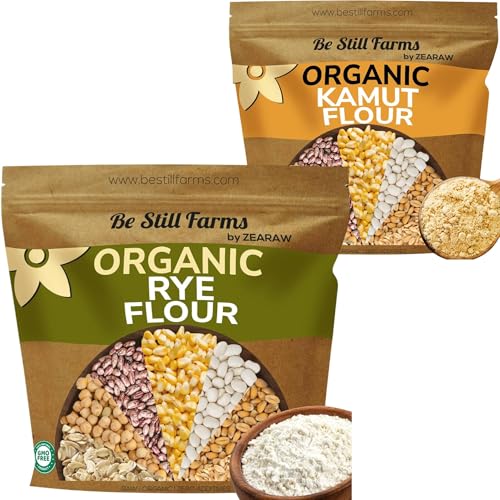
Pre-packaged grain bundles that pair rye with amaranth or kamut simplify the process of experimenting with multi-grain sourdough recipes. Combining different flours introduces complementary nutritional benefits, balancing dietary fiber with enhanced protein content. Understanding how various grain combinations interact during fermentation empowers you to design custom artisan loaf formulas tailored to your personal taste preferences.
Frequently asked questions
What makes rye flour a popular choice for sourdough baking?
Rye flour is widely favored in sourdough baking because its complex natural sugars and nutrient-dense bran provide an exceptional food source for wild yeasts and beneficial bacteria. This active fermentation helps create a lively, bubbling starter and imparts a signature deep, earthy flavor profile to artisan breads. Additionally, the unique chemical composition of rye adds rustic character and robust depth to traditional European-style loaves, crackers, and pizza doughs, elevating simple recipes into distinctive homemade creations.
How should I store bulk rye flour to maintain freshness?
Storing bulk rye flour properly requires keeping it in a cool, dry location away from direct sunlight and humidity sources. For large quantities like forty-pound bags or multi-bucket whole berry supplies, transferring the contents into airtight food-grade storage containers prevents moisture absorption and blocks pantry pests. Keeping your flour sealed protects its natural oils and delicate whole-grain nutrients from premature degradation, ensuring consistent baking performance and fresh flavor over extended periods of pantry storage.
Can I use rye flour by itself, or should I blend it with other flours?
While you can bake with one-hundred percent rye flour, it possesses distinct protein properties that form less gluten than standard wheat flour. This characteristic often leads to denser, flatter loaves that require careful handling during mixing and shaping. Many bakers prefer blending rye flour with high-protein wheat or kamut flours to improve dough elasticity, structural rise, and overall crumb texture while still enjoying the rich, earthy taste that dark rye brings to artisan recipes.
What is the benefit of buying whole rye berries instead of pre-ground flour?
Purchasing whole rye berries allows you to grind fresh flour on demand using a personal grain mill, capturing volatile aromatic compounds and maximum nutritional integrity. Whole berries also boast a significantly longer shelf life when stored properly in protective buckets compared to pre-milled flour, which can oxidize more quickly. While milling requires extra equipment and labor, it grants complete control over the final texture, letting you easily switch between ultra-fine flour and coarse cracked grain.
Why are organic and glyphosate-free certifications important for flour?
Organic and glyphosate-free certifications offer valuable independent verification regarding how grains are grown and harvested in the field. USDA organic standards guarantee that flours are cultivated without synthetic fertilizers or prohibited chemical pesticides, appealing to shoppers who prioritize clean ingredient sourcing. Furthermore, glyphosate residue-free testing provides explicit assurance that crops have not been treated with chemical desiccants prior to harvesting. These transparent agricultural practices offer added peace of mind for home bakers focused on natural nutrition.