Appliances · Buying Guide
Best sally's baking pizza dough choices for easy crusts
Baking pizza at home brings people together around warm, customizable pies loaded with favorite toppings. Selecting the right foundation simplifies prep work, allowing home cooks to skip complex measuring and lengthy fermentation schedules. Whether planning a quick weeknight dinner or an elaborate weekend gathering with friends, starting with a reliable mix or flour bundle ensures consistent crust texture every time.
Exploring different options helps match your dietary goals and baking equipment to the ideal recipe base. From pre-blended mixes that require only water to comprehensive flour bundles designed for high-heat ovens, understanding your choices leads to delicious results. Discovering how various kits perform in everyday kitchens transforms ordinary baking routines into satisfying culinary successes.
As an Amazon Associate, StacyLaughs earns from qualifying purchases.
Buying guide
Evaluating Dough Mix Ingredients
Choosing the right pizza base starts with examining the ingredient list on the package. Simple mixes contain wheat flour, salt, yeast, and minor additives designed to stabilize the rise. Reviewing these components helps allergy sufferers and health-conscious buyers avoid unwanted elements.
Some specialty blends incorporate alternative grains or low-carbohydrate substitutes. Checking whether the mix requires added yeast or includes it in the packet ensures you have all necessary supplies before beginning kitchen prep.
Understanding Preparation Timeframes
Preparation times vary significantly between different pizza dough products. Quick mixes require only a brief five-minute rest period after adding hot water, making them ideal for rushed weeknight schedules when hunger strikes unexpectedly.
Other artisanal blends demand a multi-hour proving window to develop proper elasticity and flavor. Matching the required resting duration to your daily calendar prevents scheduling conflicts and ensures dinner is served on time.
Matching Crust Style Preferences
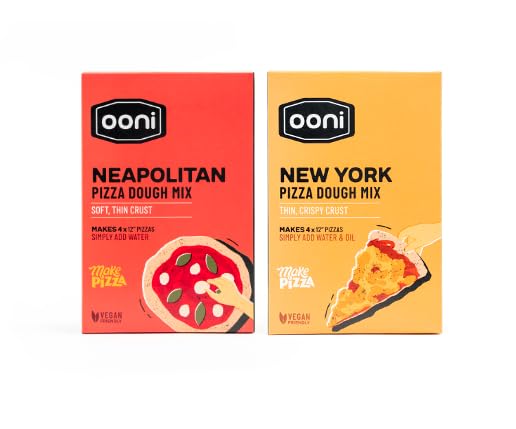
Crust styles range from thin, pillowy Neapolitan edges to folded New York slices and low-carb alternatives. Identifying your preferred texture helps narrow down options between traditional flour bundles and specialized pre-measured boxed mixes.
Experimenting with different regional profiles lets you discover what texture appeals most to your household. Knowing how a mix behaves during stretching prevents frustration when shaping the final pie.
Assessing Equipment Compatibility
Baking equipment heavily influences which dough product will perform best in your kitchen environment. Conventional home ovens reach lower maximum temperatures, whereas specialized outdoor pizza ovens generate intense high heat.
Selecting flour bundles formulated for high temperatures prevents burning when cooking at elevated levels. Always verify that your chosen dough formulation matches your oven's capabilities for optimal browning.
Calculating Yield and Portion Sizes
Package yields determine how many pizzas you can create from a single purchase. Small pouches typically make a single twelve-inch crust, while larger multi-pack boxes yield multiple dough balls for feeding larger crowds.
Calculating your household appetite prevents running short during family dinners or hosting events. Buying multi-packs also offers better value for frequent pizza makers who bake weekly.
Managing Storage and Pantry Space
Pantry storage requirements vary depending on packaging size and quantity. Compact foil pouches take up minimal shelf space, while large multi-pound flour bags require dedicated container storage.
Checking expiration dates and package integrity ensures your dry goods stay fresh until baking day. Proper storage preserves yeast viability and prevents moisture from ruining flour blends.
Frequently asked questions
How long does it take to prepare boxed pizza dough mix?
Preparation time depends on the specific product instructions provided by the manufacturer. Some quick mixes require only adding hot water and resting for five minutes before shaping. Other artisanal or style-specific mixes require a proving window of three hours to let the yeast activate and develop proper texture. Always read the package directions carefully before starting dinner preparations to ensure you have enough time.
Can I use standard pizza dough mix in a high-heat outdoor oven?
Compatibility with high-heat ovens depends on the specific ingredients in the mix or flour bundle. Standard grocery mixes formulated for conventional ovens may burn quickly when exposed to extreme temperatures in specialized outdoor units. If you plan to bake at very high heat, look for dedicated flour bundles or mixes specifically designed to withstand elevated temperatures without scorching the crust surface prematurely.
How many pizzas does a typical dough mix package make?
Yields vary widely based on the brand and package size you purchase. Smaller single-use bags generally produce one twelve-inch pizza crust, which suits individual meals or small households. Larger multi-pack boxes or bundles often contain enough ingredients to make four or eight individual dough balls. Check the product specifications on the listing before buying to ensure the total yield matches your meal planning needs.
What is the benefit of using semolina flour with pizza dough?
Semolina flour features a coarse grind and high gluten content that makes it an excellent dusting agent for pizza peels and baking surfaces. Sprinkling semolina underneath your stretched dough prevents it from sticking to peels or baking stones while you transfer the pie into the oven. Additionally, it adds a pleasant crunch and subtle color to the exterior crust during the baking process.
Are there low-carbohydrate options available for pizza crust mixes?
Yes, specialized manufacturers offer low-carb and keto-friendly pizza crust mixes designed for individuals managing their carbohydrate intake. These alternative products typically use specialized flour blends to reduce net carbs per serving while still forming a workable dough. Review the nutritional facts and ingredient labels on each specific product to find an option that fits your dietary requirements.